
Light Requirements
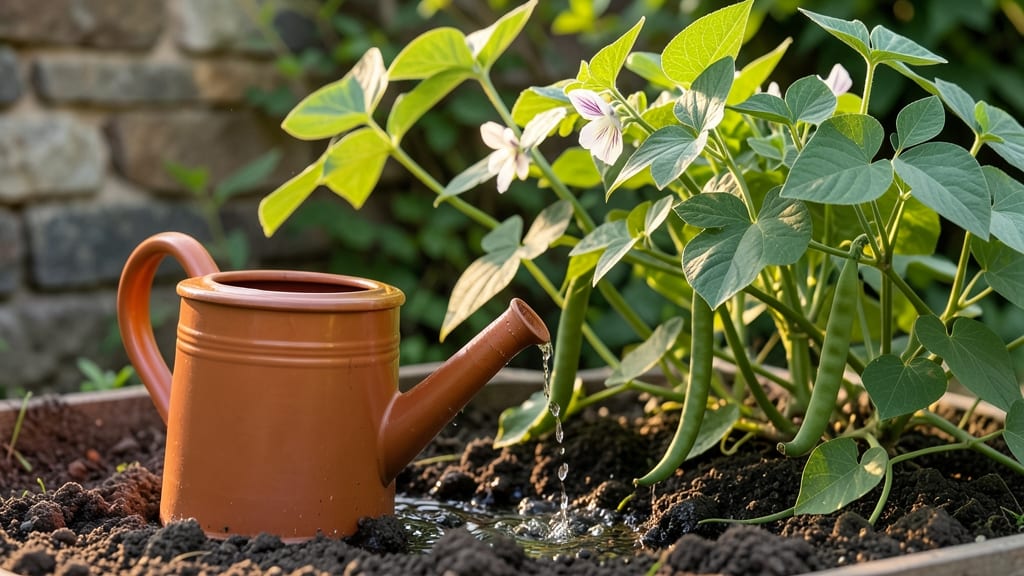
Green beans do need a lot of water to thrive—but not as much as you might think, and getting it wrong can ruin your harvest faster than you’d expect.
Picture this: you’ve just planted your 🌱 green beans in USDA Zone 6a, eager for a summer of fresh pods. Then, after a week of careful watering, you notice the leaves wilting—not from heat, but because you’re either drowning them or leaving them high and dry.
The truth? Green beans demand consistency, not excess, and the 1-inch dry soil rule is your secret to avoiding both overwatering and underwatering.
Most gardeners assume these plants need a lot of water, but the reality is simpler: they prefer their soil to stay evenly moist, like a wrung-out sponge. Too much water rots the roots; too little stunts growth.
Below, I’ll break down the exact watering schedule, how to spot trouble before it starts, and why morning watering beats evening soaks every time.
By the end, you’ll know exactly when to water, how deep to go, and what to watch for—so you can go from guessing to growing a bumper crop of crisp, flavorful beans.
The 1-Inch dry soil rule: how much water green beans really need
Green beans thrive when their soil stays consistently moist but never soggy. The 1-inch dry soil rule is your golden metric—water when the top 1 inch of soil feels dry to the touch.
This balance prevents both wilting and root rot, ensuring crisp, flavorful pods. Unlike drought-tolerant plants, green beans hate inconsistency, so stick to this rule religiously for best results.
Think of green beans like a thirsty traveler—they need steady hydration, not gulps of water followed by neglect. Overwatering suffocates roots by cutting off oxygen, while underwatering causes pods to shrivel and turn tough. The key is deep, infrequent watering that encourages roots to grow downward where moisture lingers.
| Season | Watering Frequency | Soil Depth to Check | Best Time to Water |
|---|---|---|---|
| Spring | Every 3-4 days | 1 inch | Morning (6-9 AM) |
| Summer | Daily or every other day | 1 inch | Early morning or late evening |
| Fall | Every 5-7 days | 1 inch | Morning |
| Heatwave Adjustment | Every 1-2 days | 1 inch (check more often) | Early morning + mulch |
To test soil moisture, stick your finger 1 inch deep—if it feels dry, it’s time to water. For container-grown beans, check daily since pots dry out faster. Mulch with straw or grass clippings to lock in moisture and reduce evaporation.
This simple step cuts your watering chores in half while keeping roots happy.
Adjust your watering routine based on weather patterns, not a rigid schedule. After heavy rain, skip watering entirely—green beans hate soggy roots. In 90°F+ heat, increase frequency to every 1-2 days but water deeply to encourage root growth.
A rain gauge helps track natural rainfall so you don’t overcompensate.
Morning watering is non-negotiable—it gives foliage time to dry before nightfall, preventing fungal diseases like rust or powdery mildew. Avoid evening watering unless you’re in a humid climate, where moisture lingers on leaves overnight.
Use a soaker hose or drip irrigation to deliver water directly to roots without wetting leaves.
Overwatering is just as deadly as underwatering. Signs of excess moisture include yellowing leaves, mushy stems, and a sour smell from the soil. If your green beans show these symptoms, pause watering and let the top 2 inches of soil dry out completely.
Improve drainage by amending heavy clay soil with compost or sand before planting.
For container gardens, use pots with drainage holes and water when the top ½ inch of soil feels dry. Smaller containers dry out faster, so check daily during summer.
Elevate pots off the ground to prevent waterlogging. If you notice roots circling the pot’s edge, it’s time to upgrade to a larger container or plant in the ground.
Seasonal adjustments are critical. In spring and fall, stick to the 1-inch rule but reduce frequency as temperatures drop. During summer’s peak heat, increase watering but mulch heavily to retain moisture.
In rainy climates, prioritize well-draining soil to prevent waterlogged roots. A mix of 50% topsoil, 30% compost, and 20% perlite works wonders for drainage.
Remember: consistency beats quantity. Green beans reward patient gardeners with crisp, sweet pods when given steady moisture. Skip the daily sprinkle—deep, infrequent watering builds stronger roots and healthier plants. Master this rule, and you’ll harvest bushels of flavorful beans all season long. 🌱💧
Signs your green beans are thirsty (or drowned): what to watch for
Green beans send clear signals when their water needs aren't met—you just need to know what to look for. Wilting leaves during the day that don't recover by evening is the most obvious sign of thirst.
But here's the catch: wilting can also mean overwatering if the soil feels soggy. The key is checking soil moisture 1-2 inches down, not just surface dryness.
Another red flag is yellowing leaves starting at the bottom of the plant. This often means roots aren't getting enough oxygen due to compacted or waterlogged soil. Pay attention to the stem color too—healthy green beans have crisp, vibrant stems, while thirsty plants develop a dull, grayish tint.
🚨 callout-warning 🚨
Many gardeners assume green beans need daily watering in summer, but this leads to root rot and blossom-end rot on pods. The real rule: 1 inch of water per week (more in extreme heat). Test with your finger—soil should feel moist but not drenched.
🌱 Pro Tip: Mulch with straw to retain moisture and prevent soil crusting, which blocks water absorption.
Don't ignore blossom-end rot, either—those dark, sunken spots on the ends of pods are a classic sign of inconsistent moisture.
This calcium deficiency often stems from uneven watering, where plants get too much one day and too little the next. Pod deformities or stunted growth also signal stress from poor water management.
For a quick soil test, dig your finger 1-2 inches into the soil. If it feels dry and crumbly, it's time to water. If it's sticky and cold, you've overdone it.
Green beans hate "wet feet"—their roots need air as much as water. Morning watering is ideal because it gives foliage time to dry, reducing fungal risks.
Adjust your routine based on weather patterns, not just a calendar. After heavy rain, skip watering for 2-3 days to let soil dry slightly. In 90°F+ heat, you may need to water every other day—but always check soil moisture first.
The goal is consistent hydration, not a rigid schedule.
Remember, green beans are drought-tolerant once established, but they won't forgive neglect during their first 4-6 weeks. Pay attention to these visual cues, and you'll avoid the heartbreak of wilted plants or rotting pods—and enjoy a bountiful harvest instead. 🌱