
Orchid Care
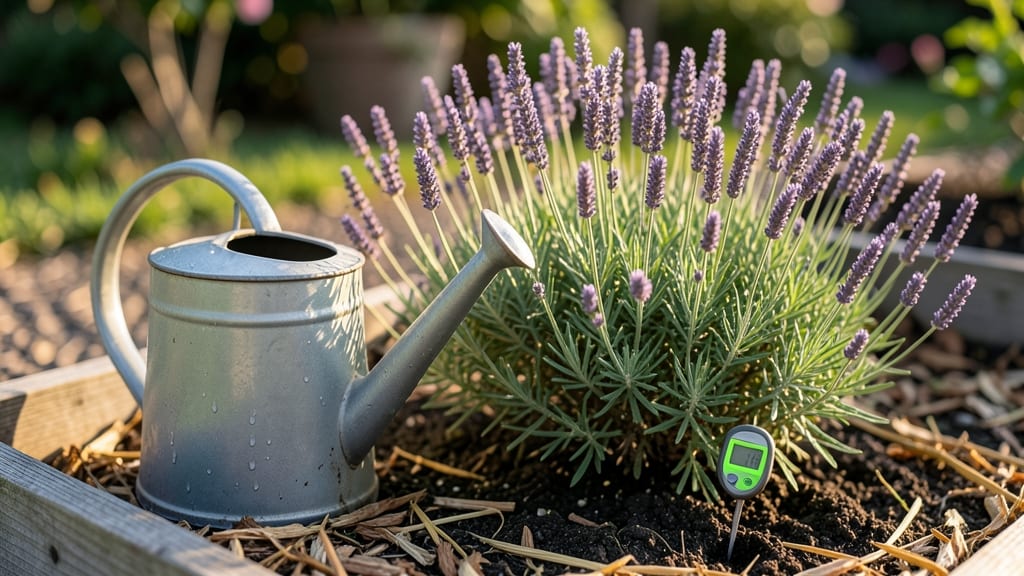
Lavender doesn’t like water—in fact, it thrives when you treat it like a desert plant, not a thirsty petunia 🌿.
Struggling to keep your lavender lush and fragrant? Overwatering or underwatering can turn your drought-resistant beauty into a sad, wilted shadow—here’s the science-backed watering schedule lavender craves to thrive.
This hardy herb hails from the Mediterranean, where summers are dry and winters are mild. In USDA Zone 6a, that means your spring-planted lavender will need far less water than you think—sometimes just once every two weeks in summer, and even less in cooler months.
Below, I’ll show you how to water lavender the right way—when to soak it deep, how to spot overwatering, and why a well-draining soil mix is non-negotiable for keeping roots happy.
How often to water lavender plants for optimal growth
Lavender plants might look tough, but they’re surprisingly sensitive to watering mistakes. As a drought-tolerant Mediterranean native, lavender thrives on neglect—too much water turns its roots mushy, while too little stunts growth.
The key is deep, infrequent watering that mimics natural rainfall patterns. I’ve learned the hard way that overwatering kills lavender faster than underwatering ever could!
Your lavender’s watering needs shift with the seasons, plant age, and even pot size. Young plants need more frequent moisture to establish roots, while mature lavender can go weeks without a drink.
Let’s break down the exact watering schedule for each season, plus how to test soil moisture like a pro to keep your plants happy and fragrant.
- 1 Spring: Water every 10-14 days—new growth needs moisture but avoid soggy soil. Test by sticking your finger 2 inches deep; if dry, water deeply until it runs out drainage holes.
- 2 Summer: Reduce to every 2-3 weeks. Lavender enters semi-dormancy in heat—water only if soil is bone-dry 3 inches down. Morning watering prevents fungal risks from evening moisture.
- 3 Fall: Cut back to monthly watering as growth slows. Focus on established plants—young lavender may still need bi-weekly care until roots strengthen.
- 4 Winter: Water only if soil is dry—lavender’s dormant. Check by lifting a pot or probing soil; overwatering in cold snaps causes root rot faster than you’d think.
- 5 Containers: Potted lavender dries out 3x faster—water every 7-10 days in summer. Use terracotta pots to wick moisture away naturally.
For young lavender plants (under 1 year), I recommend weekly watering in spring to encourage root development, then taper off as they mature. Mature lavender, on the other hand, can handle 30+ days without water in ideal conditions—just don’t push it!
Always water at the base of the plant, not overhead, to protect those delicate silvery-green leaves from fungal diseases.
Signs of overwatering include yellowing leaves, mushy stems, and a foul smell from the soil.
If you see these, stop watering immediately and let the soil dry out completely. Underwatered lavender shows brown, crispy tips and wilting—though it’ll bounce back faster than you’d expect once you give it a deep drink. The key is consistency: lavender hates moisture swings!
Pro tip: Use a moisture meter or the old-fashioned finger test. Stick your finger 2-3 inches into the soil—if it feels dry, it’s time to water. If it’s damp, wait another week. Well-draining soil is non-negotiable; amend heavy clay with gravel or sand to prevent waterlogging.
I’ve seen lavender thrive in poor, rocky soil but wilt in rich, moist garden beds—nature’s way of reminding us not to overcomplicate care!
Regional differences matter too. Lavender in hot, dry climates (like California) needs less water than lavender in cooler, humid areas (like the Pacific Northwest). If you’re in a rainy region, plant lavender on a slope or raised bed to improve drainage.
And if you’re growing lavender in USDA Zone 5 or colder, winter watering becomes even more critical—just enough to keep roots from drying out completely.
One of my biggest mistakes was watering lavender at night—this led to fungal issues every summer. Always water in the early morning so leaves have all day to dry. And if you’re using drip irrigation, place emitters at the plant’s base, not near the foliage.
A little extra effort here makes a huge difference in keeping your lavender lush and fragrant.
Remember, lavender’s fragrance and color are direct indicators of its health. A plant with vibrant purple blooms and a strong aroma is getting exactly what it needs—while a sad, sparse lavender is begging for a watering adjustment.
With this seasonal schedule, your lavender will reward you with years of low-maintenance beauty—and maybe even some homemade lavender sachets!
Best watering techniques to keep lavender healthy and fragrant
Lavender thrives on a consistent but minimal watering schedule, but the key lies in how you deliver that water. Unlike thirsty annuals, lavender hates soggy roots—its Mediterranean roots demand well-draining soil and deep, infrequent watering to encourage strong root systems.
The trick? Water deeply but rarely, letting the soil dry completely between sessions. This mimics its natural habitat where rainfall is scarce but intense when it occurs.
For container-grown lavender, the rules shift slightly due to limited soil volume. Pots dry out faster, so you’ll need to monitor moisture more closely. In-ground lavender, however, can stretch its roots deeper, making it more drought-tolerant.
The right technique ensures your lavender stays fragrant, bushy, and free from the woody stems that signal stress. Let’s break down the proven methods that keep lavender happy without the guesswork.
| Method | Frequency | Depth | Best For |
|---|---|---|---|
| Deep Watering | Every 10-14 days | 6-8 inches | In-ground lavender |
| Container Soaking | Every 7-10 days | Until water runs out | Potted lavender |
| Drip Irrigation | Bi-weekly (adjust for heat) | Slow, consistent | Large landscape beds |
| Mulch + Water | Every 2-3 weeks | Top 4 inches | Newly planted lavender |
💡 Pro Tip: Always water at soil level, not the foliage, to prevent fungal diseases.
Start with deep watering—aim for 6-8 inches down to encourage roots to grow deeper. Use your finger to check moisture: if the top 2 inches of soil feel dry, it’s time to water.
For in-ground lavender, a garden hose with a gentle stream works best, while container lavender benefits from soaking the pot until water drains from the bottom. This ensures even moisture without waterlogging.
Mulching is your secret weapon for moisture retention. Apply a 2-3 inch layer of gravel or coarse mulch around the base (but not touching the stems) to reduce evaporation. Organic mulches like straw work too, but avoid fine textures that compact and suffocate roots.
In hot climates, mulch helps regulate soil temperature, while in cooler regions, it protects roots from winter chill.
Adjust your watering based on seasonal needs. During summer’s peak heat, lavender may need water every 7-10 days, but always check soil moisture first. In winter dormancy, cut back to monthly watering unless your region experiences freezing temps.
Overwatering in winter can lead to rot, while underwatering in summer stresses the plant. Balance is everything!
Signs of proper watering include vibrant green foliage, sturdy stems, and a rich lavender scent when leaves are crushed. If you notice yellowing leaves or woody stems, it’s a cry for help—likely from overwatering or poor drainage.
Conversely, dry, crispy leaves mean it’s time to hydrate. Fine-tune your approach until you find the sweet spot for your lavender’s unique environment.