
Companion Plants
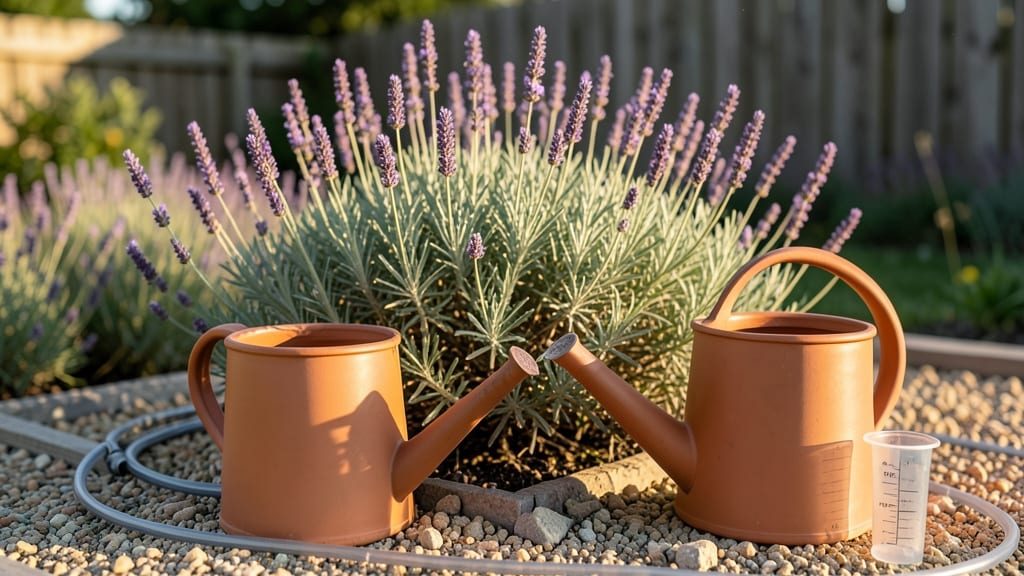
How much water lavender plants Actually Need (And When to Stop)
Lavender plants are famously drought-resistant, but that doesn’t mean they don’t need any water. In fact, overwatering is the #1 killer of lavender. These Mediterranean natives evolved to thrive in dry, rocky soils, where rainfall is scarce.
If you’re asking, "Do lavender plants need a lot of water?" the answer is a resounding no—they prefer dry conditions and can suffer from root rot if kept too wet.
Think of lavender’s water needs like a desert cactus: it stores moisture efficiently and conserves every drop. While young plants need more frequent watering to establish roots, mature lavender can go weeks without water once established.
The key is deep, infrequent watering that encourages strong root growth without creating soggy soil.
| Condition | Lavender Water Needs | Frequency |
|---|---|---|
| Young Plants (First Year) | Keep soil moist but not soggy | Every 5-7 days |
| Established Plants (Outdoor) | Let soil dry completely between waterings | Every 10-14 days |
| Potted Lavender | Water when top inch is dry | Every 7-10 days |
| Summer Heatwave | Increase water slightly but avoid wet soil | Every 7-10 days |
| Winter Dormancy | Water only if soil is bone-dry | Every 4-6 weeks |
Your lavender’s soil type plays a huge role in how often you need to water. Clay soil, which holds moisture, can suffocate lavender roots, while sandy or gravelly soil drains quickly—ideal for lavender.
If you’re growing in containers, use a mix of potting soil, perlite, and coarse sand to mimic its natural habitat. Pro tip: Add a 2-inch layer of gravel at the bottom of pots to improve drainage.
One of the biggest mistakes gardeners make is watering lavender on a schedule rather than checking the soil. Stick your finger 1-2 inches deep—if it feels dry, it’s time to water.
If it’s still damp, wait another week. Morning watering is best because it gives foliage time to dry out during the day, reducing fungal risks like powdery mildew.
Seasonal changes affect lavender’s water needs dramatically. In spring and fall, when growth is active but temperatures are moderate, water every 7-10 days. During summer’s peak heat, you might water every 5-7 days, but always ensure the soil dries between waterings.
In winter, lavender enters dormancy and needs minimal water—only water if the soil is completely dry.
If you’re growing lavender in pots, they dry out faster than in-ground plants. Containers also lack the thermal mass of garden soil, so they can overheat. To help, place pots in shaded areas during peak afternoon sun and use terracotta pots, which breathe better than plastic.
For potted lavender, deep watering (until water runs out the drainage holes) is better than light, frequent watering.
Watch for visual cues that your lavender is thirsty: grayish-green leaves, wilting stems, or leaves curling inward are signs it needs water. However, yellowing leaves or mushy stems mean you’ve overwatered.
Lavender’s natural resilience means it can bounce back from mild drought stress, but soggy soil will kill it faster than underwatering.
For the first 3-4 weeks after planting, lavender needs more consistent moisture to establish roots. After that, reduce watering gradually to train the plant to handle dry conditions. Mulching with gravel or pebbles (not organic mulch!) helps retain just enough moisture while preventing soil compaction—a lavender nemesis.
Remember, lavender’s fragrance and health are directly tied to its water discipline. The less you water (once established), the stronger and more aromatic your lavender will become. Think of it like training a marathon runner: occasional deep watering builds resilience, while constant light watering weakens the plant.
With the right approach, your lavender will thrive with minimal effort—and reward you with months of fragrant blooms. 🌿
Signs you’re overwatering lavender (and how to fix it)
If your lavender plants look sad—yellowing leaves, limp stems, or no blooms—you might be giving them too much water. Lavender is a drought-loving herb from the Mediterranean, where it thrives on dry, rocky soil.
Overwatering is the #1 reason lavender plants die, often leading to root rot and fungal diseases.
Most gardeners accidentally overwater because they assume lavender needs regular moisture like other herbs. But lavender’s roots hate soggy conditions. The key is to mimic its natural habitat—dry spells between waterings. Let’s diagnose the problem and fix it before it’s too late.
⚠️ Lavender Watering Myth
Lavender does NOT need a lot of water—it’s one of the most drought-resistant plants you can grow. Overwatering is the #1 killer, causing yellow leaves, mushy stems, and root rot. The rule? Soak deeply, then let the soil dry completely before watering again.
Watch for these 3 key signs of overwatered lavender: yellowing leaves (especially lower ones), soft or mushy stems, and wilting despite moist soil. If you see these, your plant is stressed from too much moisture.
The good news? Lavender is resilient—with the right care, it can bounce back.
Start by checking the soil. Stick your finger 2-3 inches deep—if it’s damp, wait. Lavender roots need air and dryness to thrive. The soak-and-dry method is your best friend: water deeply until it drains from the bottom, then let the soil dry out completely before watering again.
For potted lavender, ensure your container has drainage holes and use a sandy, gritty mix. If your plant is already suffering, trim affected stems to encourage new growth and improve airflow. Avoid watering at night—morning watering gives leaves time to dry, reducing fungal risks.
Once you’ve adjusted your watering habits, monitor your lavender closely. Healthy lavender has silvery-green leaves, woody stems, and abundant blooms. With the right balance, your lavender will reward you with fragrant flowers and long-lasting beauty for years.