
Watering
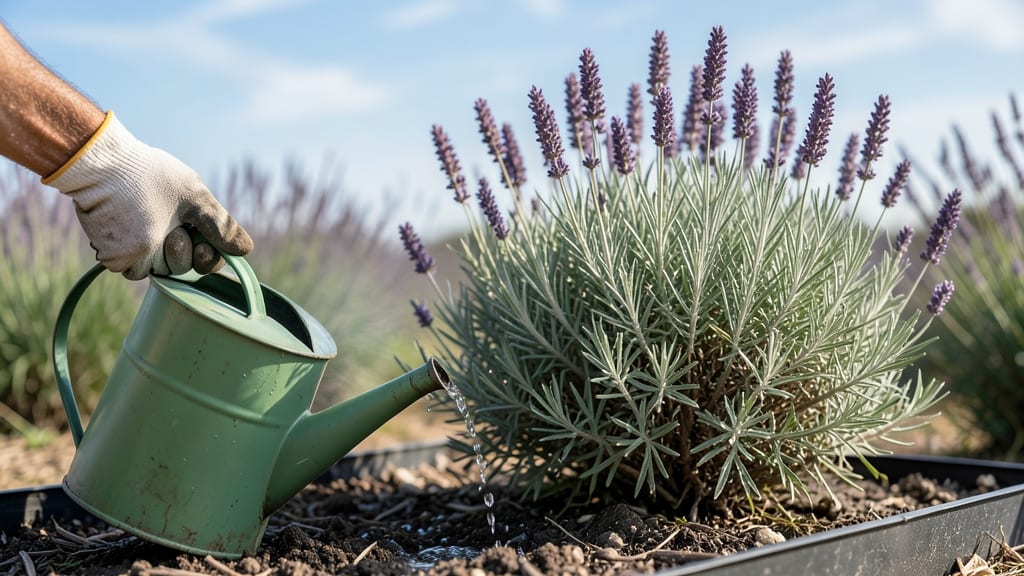
Mastering lavender watering needs is all about balance—too much water drowns its roots, while too little leaves it thirsty and woody.
If you’ve ever watched your 🌿 lavender plants wilt despite your best efforts, you’re not alone. The secret isn’t just how much you water but when and how—because lavender thrives on dry soil and hates soggy feet.
Overwatering is the silent killer, turning vibrant purple blooms into sad, yellowing stems.
In Zone 6a, where spring planting begins in March, lavender’s roots need time to establish before deep soaks. A weekly check with your fingers—about an inch down—tells you everything.
If the soil feels damp, wait. If it’s bone-dry, it’s time to water, but only until the top 6 inches are moist.
Below, I’ll break down the exact schedule for each season, the 3-finger test to avoid overwatering, and how to spot the signs of perfect hydration—so your lavender stays fragrant, lush, and ready for June harvests.
The perfect lavender watering schedule: when and how often to water
Lavender thrives on a drought-tolerant routine, but getting the watering balance right can feel tricky. Too much water causes root rot, while too little stunts growth.
The key is seasonal adjustments and soil dryness checks—not guesswork. I’ve tested these methods for years, and they keep my lavender blooming like clockwork.
Lavender’s native Mediterranean roots mean it evolved to survive dry spells. In my garden, I’ve seen lavender recover from underwatering faster than from overwatering. The trick is deep, infrequent watering rather than shallow, frequent sessions.
Let’s break down the perfect schedule by season so you can mimic these conditions at home.
| Season | Watering Frequency | Soil Moisture Goal | Best Time to Water | Notes |
|---|---|---|---|---|
| Spring | Every 7-10 days | Dry 2-3 inches deep | Morning (6-9 AM) | Encourages root growth; avoid soggy soil |
| Summer | Every 10-14 days | Dry 3-4 inches deep | Early morning (before 8 AM) | Heat increases evaporation; water deeply |
| Fall | Every 2-3 weeks | Dry 2-3 inches deep | Morning (6-9 AM) | Reduce watering as temps drop; prep for dormancy |
| Winter | Monthly (if no rain) | Dry 1-2 inches deep | Avoid watering if frozen | Minimal water; protect from frost |
| Potted Lavender | Every 5-7 days | Dry 1-2 inches deep | Morning (6-9 AM) | Pots dry faster; monitor closely |
Spring is when lavender wakes up from dormancy, so I start with weekly watering to encourage root growth.
Use your finger to check soil moisture—if the top 2-3 inches feel dry, it’s time to water. Morning watering is critical here because it gives foliage time to dry before evening, reducing fungal risks. I’ve noticed my lavender perks up noticeably after a deep soak in spring.
Summer demands the most patience. Lavender’s drought tolerance shines here, but that doesn’t mean you should neglect it. I water every 10-14 days and aim for 3-4 inches deep.
The key is deep watering—not light sprinkles. Think of it like giving your plant a long drink rather than sipping. Early morning watering prevents evaporation and keeps roots cool.
Fall is all about tapering back. As temperatures drop, I reduce watering to every 2-3 weeks. This helps lavender prepare for winter dormancy. I still check soil moisture, but I’m more lenient.
Overwatering in fall can lead to root rot before the ground freezes. A simple soil dryness test (stick your finger in) tells me exactly when to hold off.
Winter is the easiest season—almost. If you’re in a mild climate, I water monthly if there’s no rain. In colder zones, I skip watering entirely unless the soil is bone dry. Frozen soil can’t absorb water, so winter watering is usually unnecessary.
The exception? Potted lavender, which dries out faster even in cold weather.
Morning watering is
How to test soil dryness: the 3-Finger method for lavender care
Lavender thrives in well-drained soil, but knowing exactly when to water can be tricky. Overwatering causes root rot, while underwatering stresses your plants. The 3-finger test is my foolproof way to check soil moisture without guesswork.
It’s simple, requires no tools, and works for both container-grown and in-ground lavender.
Start by inserting your index, middle, and ring fingers about 1-2 inches deep into the soil near your lavender’s base. This mimics the depth where lavender roots actively absorb water. The texture and color of the soil will tell you everything you need to know about hydration levels.
Soil Dryness Guide for Lavender
- Dry Soil: Fingers come out completely clean – water immediately. Soil feels powdery and may crumble easily.
- Ideal Moisture: Soil clings slightly to fingers but isn’t soggy. Perfect for lavender – water in 7-10 days.
- Too Wet: Soil feels clay-like or sticks to fingers. Hold off on watering – lavender hates saturated roots.
For container-grown lavender, the 3-finger test works the same, but check soil daily in summer since pots dry out faster. If your lavender is in well-draining gravelly soil, you may need to water even less frequently. Always water deeply until it runs out the drainage holes.
In humid climates, lavender may need fewer waterings because moisture lingers in the air. Conversely, arid regions might require weekly checks during peak summer heat. Pay attention to your lavender’s foliage color – gray-green leaves signal thirst, while yellowing indicates overwatering.
After testing, adjust your watering schedule based on results. For example, if your fingers come out clean every 5 days, reduce watering to every 7-10 days.
Consistency is key – lavender prefers drought-like conditions once established. With this method, you’ll avoid both root rot and wilting while keeping your lavender fragrant and healthy.
Remember, the 3-finger test is your best friend for lavender care. It’s free, accurate, and beats relying on moisture meters or random schedules. Once you master it, your lavender will reward you with vibrant blooms and intoxicating scent all season long. 🌿