
Flowers
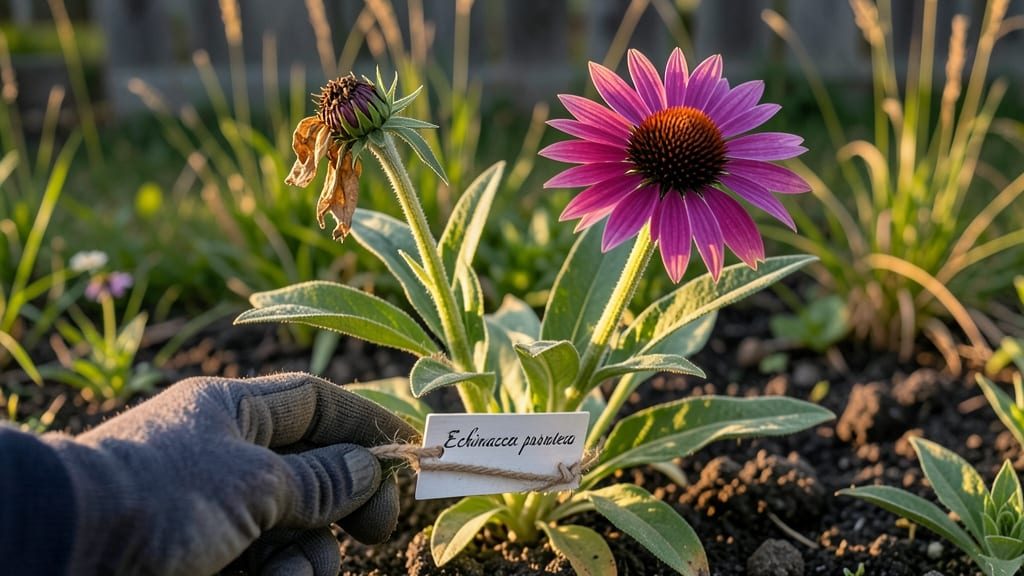
Perennial flowers do come back every year, but their return depends on seasonal dormancy—roots survive underground while foliage dies back in winter, then regrows when temperatures rise. Proper care ensures reliable regrowth annually.
Perennial flowers don't disappear—they simply enter a survival mode during colder months. 🌱 The key lies in their underground systems: roots, rhizomes, and tubers store energy like natural batteries, allowing them to push through soil when spring arrives.
What many gardeners miss is that these plants often look dead above ground but remain very much alive below, waiting for the right temperature cues to wake up. Think of it like a bear hibernating—just without the fur!
This natural cycle explains why some perennials seem to vanish completely in winter only to return stronger than ever. The timing of their regrowth varies by species and climate zone, with hardy varieties like peonies often emerging earlier than tropical perennials.
Understanding this process helps you provide the right care at the right time, whether that's protecting tender roots from late frosts or giving established plants a head start with early spring feeding.
💡 In This Article
- How Perennial Flowers Survive Winter Dormancy
- Tips to Ensure Perennials Return Stronger Each Year
How perennial flowers survive winter dormancy
The secret to perennial flowers' annual return lies in their underground survival strategies. Most store energy in specialized structures like rhizomes (horizontal stems), tubers (thickened roots), or corms (bulb-like structures). These act as living batteries, converting stored starches into sugars when temperatures drop.
For example, peonies store enough energy in their thick roots to fuel regrowth even after -20°F winters, while daylilies use their fibrous rhizomes to regenerate from just a few inches of remaining root.
Temperature triggers play a crucial role in breaking dormancy. Most perennials require a period of cold exposure called vernalization—typically 4-8 weeks below 40°F—to reset their biological clocks. This explains why perennials in warmer climates (zones 8-10) may need artificial chilling or benefit from late fall mulching.
The timing varies by species: bearded iris needs 10-12 weeks of cold, while bleeding heart only requires 6-8 weeks. Once temperatures stabilize above 50°F, root cells begin dividing rapidly, pushing new shoots upward at rates of 1-2 inches per week.
Cold hardiness zones determine regrowth timing more than you might think. Zone 5 perennials like coneflowers often emerge in early April, while zone 7 varieties like salvia may wait until mid-May.
The difference comes down to how quickly soil temperatures rise above 55°F—the threshold where most perennials' root systems become metabolically active. In colder regions, mulching with 4-6 inches of organic matter (like straw or shredded leaves) can protect roots from freeze-thaw cycles that cause damage.
What's fascinating is how these plants sense environmental cues. Some perennials like hostas produce abscisic acid (a plant hormone) in response to shortening daylight, which signals roots to prepare for dormancy. Others, like hellebores, actually photosynthesize through snow to generate small amounts of energy during winter.
This explains why some perennials emerge earlier than others—it's not just about temperature but also light exposure and moisture availability in the soil.
Consider the case of daylilies: their rhizomes contain 10-15% starch content at dormancy's peak, which converts to sugars during regrowth. This energy reserve fuels their rapid spring growth, allowing them to produce 2-3 times more blooms than their first-year performance.
The same principle applies to peonies, whose roots can weigh up to 2 pounds in mature plants—enough to support 50+ stems annually.
One common misconception is that perennials "die" in winter. In reality, their above-ground parts simply senesce (age and die back) while roots remain alive. This process conserves energy and prevents frost damage.
The transition from dormancy to active growth is so precise that some perennials like columbine can detect just 2°F temperature fluctuations that trigger shoot emergence. This biological precision is what makes perennials such reliable garden workhorses—once established, they've evolved to handle seasonal changes with remarkable efficiency.