
Plants
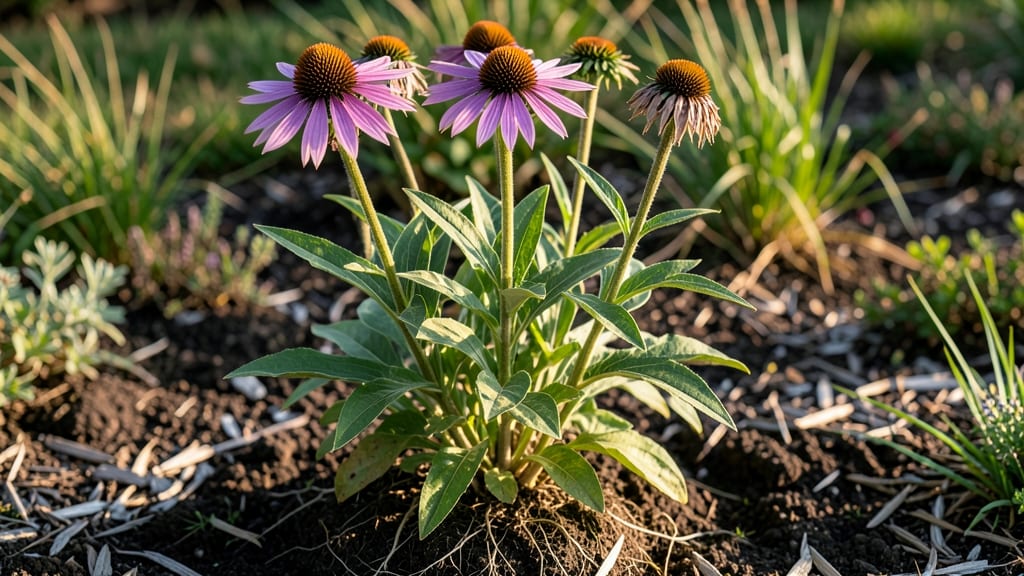
Yes, perennials come back every year by storing energy in roots, rhizomes, or crowns during dormancy, then regrowing when conditions improve. Unlike annuals, they survive winter dieback through underground structures, not seeds.
This yearly return happens because perennials store nutrients in specialized underground parts like thick roots or horizontal stems (rhizomes) during fall and winter. 🌱 When spring arrives, these stored reserves fuel new growth above ground.
The key difference from annuals is that perennials don't rely on seeds to regenerate—their survival system is built into their permanent structures. Think of it like a plant's natural savings account that replenishes each season.
What's fascinating is how these plants adapt to seasonal changes. Many perennials enter a dormant state when temperatures drop, slowing their metabolism to conserve energy. Some even change leaf color as a protective mechanism.
This biological strategy allows them to survive harsh winters while still being ready to bloom again when conditions improve.
💡 In This Article
- How Perennial Plants Survive Winter Dormancy
- Caring for Perennials to Ensure Yearly Regrowth
How perennial plants survive winter dormancy
Perennial plants have evolved a clever survival strategy that relies on specialized underground structures. Unlike annuals that complete their life cycle in one season, perennials store carbohydrates, proteins, and water in their roots, rhizomes, or crowns during dormancy.
These storage organs can swell to 2-3 times their summer size by fall, creating a nutrient reserve that fuels regrowth when conditions improve. For example, peony roots can store enough energy to produce 50-100 stems in a single season after winter.
The dormancy process begins when daytime temperatures drop below 50°F (10°C) and photoperiod shortens. Plants like hostas and daylilies produce a protective layer of cells around their buds, while others like asparagus develop thick, fleshy roots that resemble small potatoes.
This adaptation allows them to survive -20°F (-29°C) temperatures in some hardy species. The key trigger for regrowth is a combination of warming soil temperatures (40°F/4°C) and increasing daylight hours, which signals the plant to break dormancy.
Not all perennials are created equal—true perennials like lavender and coneflowers regrow from the same root system year after year, while biennials like foxgloves complete their life cycle in two years. The difference lies in their storage capacity and growth patterns.
True perennials maintain a persistent root system that can live for decades, while biennials allocate more energy to flowering and seed production before dying back. Some perennials even produce new shoots from their crowns while still maintaining old growth, creating a layered regrowth pattern.
This biological adaptation goes beyond simple survival—it's a finely tuned energy management system. Plants like iris divide their rhizomes annually, creating new growth points that ensure continuous renewal. The stored nutrients aren't just for growth; they also help repair any winter damage to cell membranes and protect against frost-sensitive tissues.
What's particularly interesting is how some perennials can remain dormant for years in harsh conditions, only to spring back to life when environmental factors become favorable again.
Consider the case of creeping thyme, which can survive extreme drought by going completely dormant above ground while maintaining its root system. When rains return, it greens up within days. This resilience explains why perennials dominate many ecosystems—they've evolved to outlast annuals in challenging environments.
The trade-off is that their growth is often slower in spring as they rebuild their foliage before flowering, but this strategy pays off in their longevity and reliability.
What's remarkable is how these plants sense seasonal changes at a cellular level. Specialized proteins called "cold acclimation proteins" help protect plant tissues from freezing damage, while hormones like abscisic acid regulate dormancy.
This biological clock ensures that perennials don't waste energy growing when conditions are unfavorable, making their yearly return a testament to nature's efficiency. 🌿