
Plants
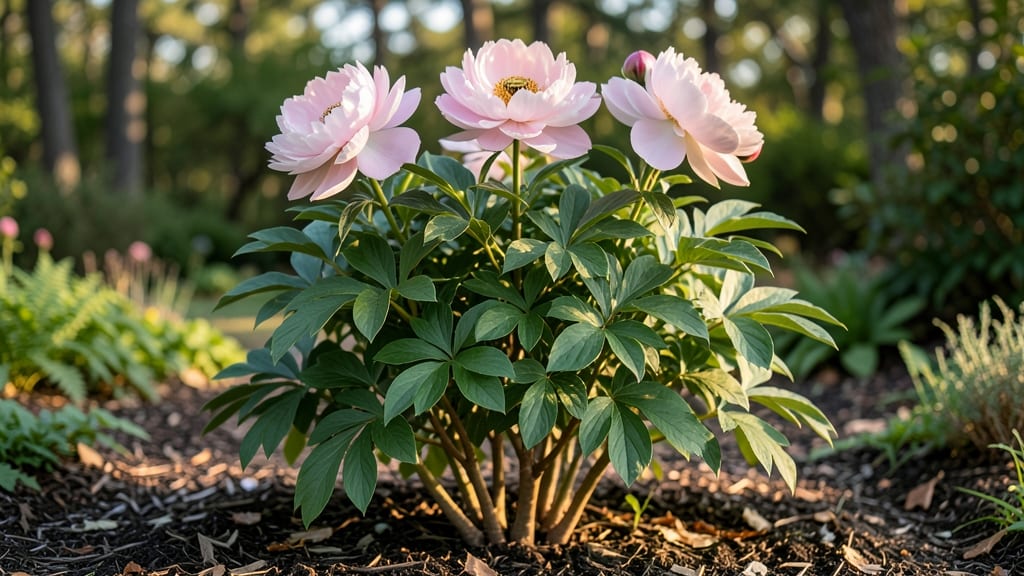
Yes, perennials come back each year because their roots or underground stems survive winter dormancy, storing energy to regrow when conditions improve. Proper care—like mulching and watering—ensures healthy regrowth in spring.
This survival trick is all about their hidden storage systems. 🌱 Many perennials develop specialized underground structures like rhizomes (horizontal stems) or tubers (thickened roots) that act like natural batteries, storing carbohydrates and nutrients.
During winter, these plants enter dormancy, slowing growth but keeping their root systems alive. When spring arrives, warmer temperatures trigger the stored energy to fuel new shoot growth from the ground up.
What's fascinating is how different species handle this process. Some perennials, like peonies, rely on thick, fleshy roots, while others, such as hostas, use corms or crowns to survive.
The key to their comeback is this built-in resilience—when you provide the right growing conditions, these plants will reliably return year after year, often stronger than before.
💡 In This Article
- Why Perennial Roots Survive Winter Dormancy
- How to Encourage Strong Perennial Regrowth
Why perennial roots survive winter dormancy
The secret to perennials returning year after year lies in their specialized underground storage systems. These plants develop structures like rhizomes (horizontal stems), tubers (thickened roots), or corms that act as living energy reserves.
For example, daylilies store carbohydrates in their rhizomes at concentrations up to 30% of their dry weight, while peonies rely on thick, fleshy roots containing 20-25% starch. These storage organs remain metabolically active during winter, maintaining just enough cellular function to survive freezing temperatures.
Cold stratification is the biological process that prepares these plants for spring regrowth. When temperatures drop to 32-40°F for extended periods, it triggers hormonal changes that break seed dormancy and stimulate root growth.
This is why many perennials need winter exposure—they're biologically programmed to wait for these cold signals before emerging. The stored nutrients in the roots then fuel the rapid growth of new shoots when daytime temperatures consistently reach 50°F or higher.
Without this cold period, some perennials may fail to regrow properly.
What's particularly interesting is how different perennial types handle this process. Herbaceous perennials like coneflowers die back to the ground each winter but keep their roots alive, while woody perennials such as lavender retain their above-ground growth but enter a state of reduced metabolic activity.
The key difference is in their storage mechanisms—herbaceous types rely on root systems, while woody types often use cambium layers (growth layers) in their stems to store energy.
This biological adaptation explains why perennials often return stronger each year. With each growing season, they build more extensive root systems and storage capacity. For instance, a three-year-old hosta might have 50% more rhizome mass than a one-year-old plant, giving it greater resilience against environmental stresses.
The trade-off is that they require more time to establish this storage capacity, which is why newly planted perennials may take 2-3 years to reach full vigor.
Understanding this process helps explain why some perennials struggle in warmer climates. In regions without true winters, the lack of cold stratification can prevent proper dormancy, leading to weak regrowth.
This is why gardeners in mild climates often need to simulate winter conditions through techniques like chilling treatments or strategic planting times to ensure reliable perennial comeback.