
Watering
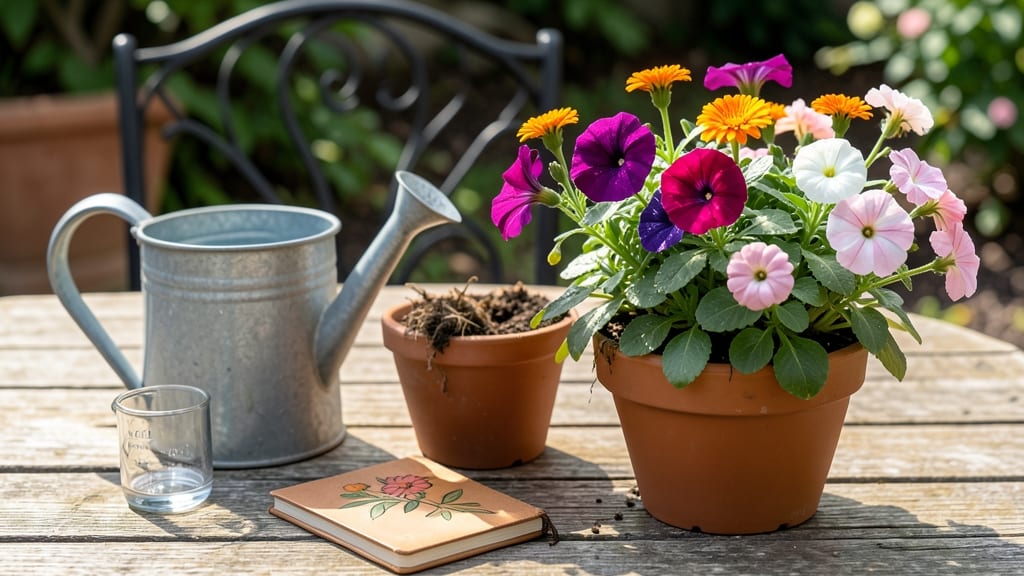
Do you have to water flowers every day? The answer is no — in fact, it can harm them by suffocating roots and inviting pests.
Overwatering kills more plants than underwatering, yet gardeners still debate the perfect schedule. The truth? Most flowers thrive on consistent moisture, not daily drenching. Soil type, weather, and plant variety all play a role in how often you should water.
In Zone 6a, where spring blooms like petunias and marigolds take center stage, a general rule is every 2-3 days during warm months. But drought-tolerant flowers like lavender or succulents may only need water every 7-10 days. The key is checking soil moisture before reaching for the hose.
Below, I’ll break down the science-backed schedule by plant type, how to spot over- or under-watering, and the best times to water for maximum efficiency. No guesswork — just healthy, happy flowers.
How often to water flowers based on plant type (science-backed guidelines)
You don’t have to water flowers every day—in fact, most varieties prefer deep, infrequent watering that encourages strong root growth. The key lies in understanding your plants' root depth and drought tolerance.
Annuals like petunias or geraniums need more frequent hydration, while succulents or lavender can survive weeks without water. Let’s break down the science so you can tailor your watering schedule to each type.
Start by checking your soil moisture with your finger. Stick it 1-2 inches deep—if it feels dry, it’s time to water. For potted flowers, lift the pot: if it’s light, water thoroughly.
Seasonal adjustments are critical too. In summer heat, most flowers need watering every 1-2 days, while winter dormancy reduces needs to bi-weekly or less.
| Plant Type | Watering Frequency | Root Depth | Key Notes |
|---|---|---|---|
| Annuals (e.g., Marigolds, Zinnias) | Every 1-2 days (summer), 2-3 days (spring/fall) | 6-12 inches | Fast-growing; needs consistent moisture |
| Perennials (e.g., Coneflowers, Black-Eyed Susans) | Every 2-4 days (summer), weekly (spring/fall) | 12-18 inches | Established roots; drought-tolerant once mature |
| Succulents (e.g., Aloe, Sedum) | Every 2-4 weeks (or when soil is bone-dry) | Shallow (1-3 inches) | Store water in leaves; overwatering kills them |
| Tropicals (e.g., Orchids, Hibiscus) | Every 1-3 days (keep soil moist) | 6-12 inches | Humidity-loving; needs frequent misting |
| Drought-Tolerant (e.g., Lavender, Yarrow) | Every 1-2 weeks (or after heavy rain) | Deep (18+ inches) | Thrive on neglect; avoid soggy soil |
For annual flowers, focus on deep watering 2-3 times per week during peak growth. These plants have shallow roots and dry out quickly. Use a soaker hose or drip irrigation to deliver water slowly at the base, reducing evaporation and fungal risks.
Mulch with 2-3 inches of straw or shredded leaves to lock in moisture and regulate soil temperature.
Perennials like coneflowers or daylilies are more resilient once established. After the first year, they develop deep roots that access water efficiently. In hot climates, water deeply every 2-3 days to encourage root growth downward.
In cooler months, reduce frequency to once a week or when the top 1-2 inches of soil feel dry.
Succulents and cacti are the exception to the rule—overwatering is their biggest threat. These plants store water in their leaves and stems, so they need minimal watering. In pots, wait until the soil is completely dry before watering again. For in-ground succulents, once a month is often sufficient, unless you’re in a desert climate with extreme heat.
Tropical flowers like hibiscus or orchids demand a different approach. They thrive in humid conditions and need consistent moisture. Water these plants every 1-3 days, ensuring the soil never dries out completely.
Group them together in your garden to create a microclimate with higher humidity. Avoid letting water sit in the foliage to prevent fungal diseases like powdery mildew.
Adjust your watering schedule based on weather patterns and soil type. Sandy soil drains quickly, requiring more frequent watering, while clay soil holds moisture longer. Use a moisture meter for accuracy, especially during drought conditions.
If your area experiences heavy rainfall, skip watering for a few days to avoid root rot.
Signs of underwatering include wilting leaves, dry soil, and crispy leaf edges. Overwatering, on the other hand, causes yellowing leaves, mold, or a foul smell. Always water in the early morning to allow foliage to dry before nightfall, reducing disease risks. With these guidelines
5 Signs you're overwatering or underwatering flowers (and how to fix it)
Your flowers might look thirsty, but overwatering is the sneaky killer most gardeners overlook. While wilting screams "water me!" too little, yellowing leaves and mushy stems often mean you're drowning their roots. The key? Learning to read your plants' visual and tactile cues before damage sets in.
I've lost count of how many petunias and geraniums I've sacrificed to the "just in case" watering habit. The truth? Most flowers prefer consistent moisture over daily drenching. Let's decode the 5 telltale signs your watering routine needs an emergency makeover - and how to fix it fast.
Do you have to water flowers everyday? NO. Most flowers hate soggy soil more than dry spells. Daily watering leads to root rot in just 3-5 days. Instead, water deeply 2-3 times per week and check soil moisture with your finger - the top 1-2 inches should feel dry before watering again. Exception: Potted flowers and tropical varieties may need daily water in extreme heat (90°F+).
First, check for yellowing leaves starting at the bottom of stems. This classic overwatering sign means roots are suffocating from lack of oxygen. Paired with mushy stems or white mold on soil, you're creating the perfect petri dish for fungal diseases.
The fix? Let the soil dry completely between waterings and improve drainage by adding perlite or sand to heavy soils.
On the flip side, wilting leaves that don't perk up after watering signal underwatering. Unlike overwatered plants, underwatered flowers often show crispy leaf edges and drooping petals by midday.
Try the "soak test": Water deeply until it runs out drainage holes, then wait until the top 1-2 inches of soil feels dry. For container gardens, this might mean watering every 1-2 days in summer heat.
Don't ignore stunted growth or fewer blooms - these are your plants' desperate SOS signals. When flowers stop producing buds, they're often stressed from either too much or too little water.
Create a watering schedule based on your climate and soil type: Sandy soils dry faster than clay, and mulching can cut water needs by 30-50%. Use a moisture meter for $10 accuracy over guesswork.
Pro tip: Morning watering prevents fungal issues while giving roots time to absorb moisture. If your potted flowers develop white crust on soil, it's mineral buildup from tap water.
Switch to rainwater or distilled water and flush the soil monthly. Remember: Healthy roots = happy blooms, and the right watering balance keeps both thriving.