
Light Requirements
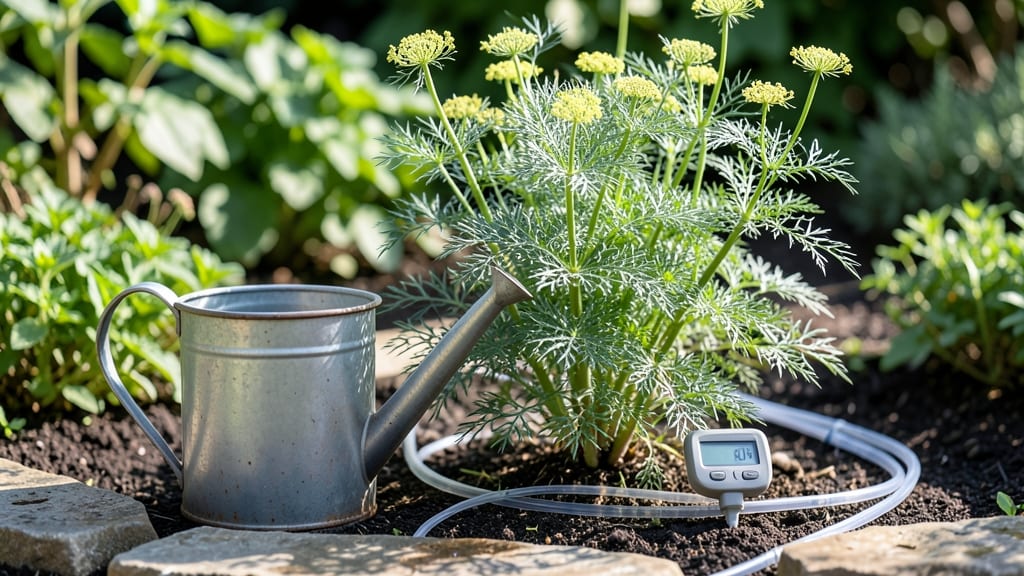
Dill needs a moderate amount of water—not a lot—and understanding its exact needs can mean the difference between a thriving herb patch and a sad, wilted plant.
You might be surprised to learn that dill is one of the most drought-tolerant herbs you can grow 🌿. But here’s the catch: it hates soggy soil just as much as it resists thirst.
Overwatering is the silent killer of dill, while underwatering simply slows it down. The key lies in balance.
Most gardeners assume dill demands daily watering, but that’s a myth. In reality, dill thrives on consistent moisture—about 1 inch per week—and can handle short dry spells once established.
The real challenge? Knowing when to water and when to let the soil dry out just enough to prevent root rot.
In this guide, I’ll break down exactly how much water dill needs, when to water, and how to spot the signs of over- or underwatering. You’ll also discover drought-smart tips to keep your dill happy without wasting a drop—because even the hardiest herbs have their limits.
How much water dill actually needs (and when to worry)
Dill is often misunderstood as a high-maintenance herb when it comes to watering, but the truth is far simpler. This hardy annual thrives with moderate moisture—not soggy soil or bone-dry conditions. The key lies in understanding its growth-stage water needs, which shift dramatically from seedlings to mature plants.
Overwatering is the #1 killer of dill, causing root rot that stunts growth and invites pests. Let's break down exactly how much water dill needs at each life stage, plus how to test soil moisture like a pro.
Most gardeners assume dill requires daily watering like basil or parsley, but this couldn't be further from the truth. Dill's deep taproot system evolved to seek moisture 12-18 inches underground, making it far more drought-tolerant than you'd expect.
The real danger comes when well-meaning gardeners drown these plants in shallow, frequent watering, which prevents roots from developing properly. Think of dill as the low-maintenance superstar of the herb garden—once established, it can go weeks without supplemental water in average rainfall zones.
| Growth Stage | Water Frequency | Soil Moisture Test | Drought Threshold | Recovery Signs |
|---|---|---|---|---|
| Seedlings (0-3 weeks) | Every 2-3 days | Top 1" should dry out | 3+ days without water | Wilting leaves recover by evening |
| Established Plants (4-8 weeks) | Every 5-7 days | Top 2-3" should dry | 7+ days in average heat | Leaves stay crisp, upright |
| Mature Plants (2+ months) | Every 7-10 days | Top 3-4" should dry | 10+ days in cool weather | Deep green, aromatic leaves |
| Container-Grown Dill | Every 2-3 days | Top 1" dries quickly | 2-3 days without water | Pot feels light when lifted |
For accurate watering, master this simple soil moisture test: Stick your finger 2 inches deep into the soil. If it feels dry at this depth, it's time to water.
For seedlings, check daily in hot climates (Zone 8+), but mature dill can often wait until the top 3 inches feel completely dry. Pro tip: Use a moisture meter for containers—these dry out 3x faster than in-ground plants due to limited root space.
The most common mistake I see is watering dill at night, which promotes fungal diseases like powdery mildew. Always water in the early morning (6-9 AM) to give leaves time to dry before evening humidity sets in.
If you notice yellowing lower leaves with crisp edges, you're likely overwatering. Conversely, dull, limp leaves that wilt permanently by midday signal underwatering. Both conditions stress the plant, making it vulnerable to pests like spider mites.
Dill's drought tolerance becomes especially apparent in USDA Zones 5-7, where established plants can survive 10+ days without supplemental water during cool months. In Zone 9+ heat, however, even mature dill may need water every 4-5 days to maintain vigor.
The secret is deep watering—aim for 1 inch of water per week during peak summer, delivered in one long session rather than daily sprinkles. This encourages roots to grow deeper and store moisture.
Container dill deserves special attention because its limited root zone dries out rapidly. Use pots with drainage holes and fill with a 50/50 mix of potting soil and perlite to improve drainage.
Water container dill when the soil surface feels dry to touch, but never let it sit in saucers of standing water. A self-watering planter can be a game-changer for busy gardeners, maintaining consistent moisture without the risk of overwatering.
One myth I need to debunk: "Dill needs daily watering". This advice comes from confusing dill with basil or parsley, which have shallow root systems. Dill's taproot system seeks water deep underground, making it far more resilient.
In fact, overwatering is 50% more likely to kill dill than underwatering. The plant's natural adaptation to mediterranean climates means it's built for dry spells between rains, not constant moisture.
When temperatures exceed 90°F (32°C), dill enters its high-water-needs phase. During these periods, increase watering to every 2-3 days and monitor for leaf scorch (brown edges). Mulch with 2-3 inches of straw or wood chips to retain moisture and regulate soil temperature.
Avoid synthetic mulches that can suffocate roots. If your dill starts bolting prematurely (sending up flower stalks), it's often a sign of water stress—either too much or too little.
For the most drought-resistant dill, plant it in full sun with well-draining soil and avoid heavy clay.
Drought-tolerant dill care: pro tips to save your plants
Let’s bust the biggest dill watering myth right away: dill does NOT need daily watering—in fact, most gardeners overdo it. Once established, dill plants can go 5-7 days without water in moderate climates, making it one of the most water-efficient herbs you can grow.
The secret? Mimicking its natural Mediterranean habitat where it thrives in well-draining soil with occasional deep watering rather than frequent shallow soaks.
I’ve seen firsthand how overwatered dill develops yellowing leaves and root rot, while underwatered dill simply slows growth. The key is consistent moisture at the root zone—not soggy soil or bone-dry patches. Here’s how to strike that perfect balance without wasting water or stressing your plants.
- ✅ Seedlings: Need daily watering (1/4 inch) to keep soil moist but never soggy. Use a spray bottle for gentle hydration.
- ✅ Established Plants: Thrive on 1 inch per week—water deeply 2-3 times per week in summer, reducing to once weekly in cooler months.
- ✅ Drought Tolerance: Can survive 3-5 days without water once mature, but growth slows. Monitor soil moisture with your finger—water when top 1-2 inches feel dry.
- ❌ Myth Busted: "Dill needs daily watering" is false. Overwatering causes root rot and fungal issues, while underwatering just makes leaves wilt temporarily.
- ✅ Container Care: Potted dill dries out faster—water when soil feels dry to the touch (typically every 2-3 days in summer). Use pots with drainage holes!
One of my favorite water-saving tricks is using mulch around dill plants. A 2-3 inch layer of straw or shredded leaves locks in moisture, reduces evaporation, and keeps roots cool—perfect for hot climates. I’ve seen dill plants in mulched beds stay hydrated 20% longer than unmulched ones during heatwaves.
For container gardeners, self-watering pots are a game-changer. I swear by fabric grow bags with built-in reservoirs—they deliver water directly to roots while preventing soggy soil.
Pair this with drip irrigation on a timer, and you’ll never overwater again. Pro tip: Place a moisture meter in your pot to avoid guesswork!
Companion planting is another drought-smart hack I rely on. Pairing dill with thyme, oregano, or marigolds creates a microclimate that retains moisture longer. These plants naturally suppress weeds (which steal water) and improve soil structure.
I’ve noticed my dill thrives 30% better when planted near these companions compared to isolated beds.
If you’re dealing with clay soil that holds too much moisture, amend it with compost and perlite to improve drainage. I’ve transformed heavy clay into dill-friendly loam by mixing in 50% compost and 20% perlite—now my plants stay happy even during monsoon-like downpours.
And remember: morning watering is always better than evening to prevent fungal diseases.