
Watering
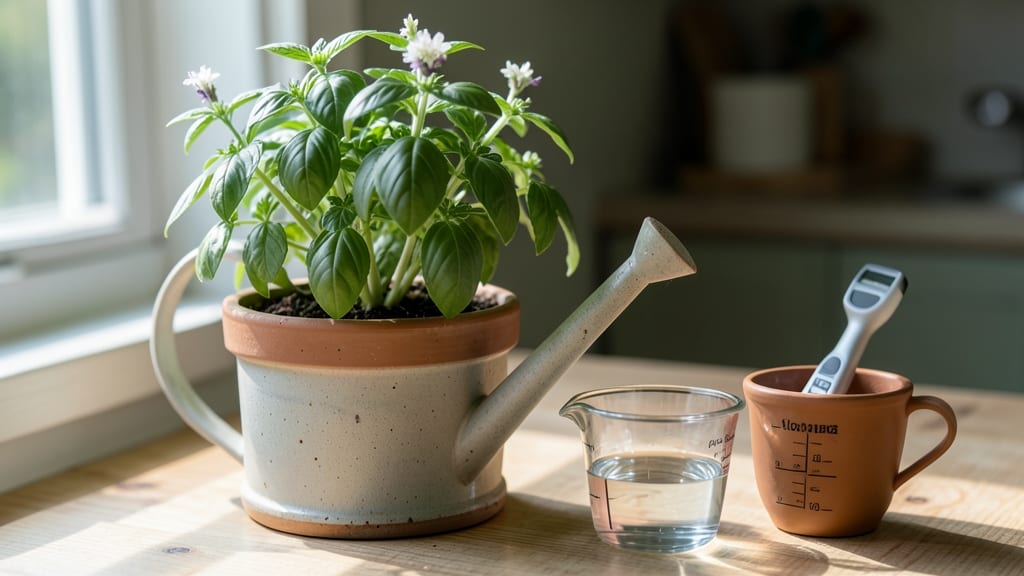
To water container plants correctly, you’ll need to check soil moisture every 1-3 days—but the real trick is knowing when to stop.
Struggling to keep your container plants alive? Overwatering kills more plants than underwatering—and yet, most gardeners guess rather than measure. The secret to thriving container plants lies in a simple soil test you can do with your fingers in 10 seconds.
Why does this matter? Because 60% of container plant deaths happen from soggy roots, not thirst. A quick moisture check at the right depth tells you exactly when to water—no more drowning your herbs or letting your succulents shrivel.
In this guide, I’ll show you the 3-zone finger test that works for every plant, from basil to snake plants, plus how to adjust for pot size, climate, and season. No more guesswork—just happy, healthy plants.
The 3-Zone finger test: how often to water container plants without guessing
Most gardeners overwater their container plants without realizing it—yet root rot kills more potted plants than drought. The solution? A 3-zone finger test that reveals moisture levels at different soil depths, giving you precise watering cues tailored to your plant's needs.
This method works for everything from succulents to tropical ferns, eliminating guesswork once and for all.
Here's how it works: Insert your finger 1 inch into the soil for the top zone, 2-3 inches for the middle zone, and 3-4 inches for the bottom zone. The moisture you feel at each level tells you whether to water now, wait, or adjust your schedule.
For example, basil might need watering when the top zone feels dry, while a snake plant can wait until the middle zone is bone-dry.
Why check multiple zones? The top layer dries fastest but doesn't reflect root health. The middle zone shows where most roots absorb water, and the bottom zone reveals if water's draining properly or pooling. This test works for 6-inch pots to 12-inch containers, adapting to your plant's specific needs.
Let's break down the 3-zone finger test for 12 common container plants, including what moisture levels mean for each. Use this as your go-to guide before reaching for the watering can—your plants will thank you with lush, healthy growth instead of sad, wilted leaves.
| Plant Type | Top Zone (1") | Middle Zone (2-3") | Bottom Zone (3-4") | Water When | |||||||||||||||||||||||||||||||||||||||||||||||||||
|---|---|---|---|---|---|---|---|---|---|---|---|---|---|---|---|---|---|---|---|---|---|---|---|---|---|---|---|---|---|---|---|---|---|---|---|---|---|---|---|---|---|---|---|---|---|---|---|---|---|---|---|---|---|---|---|
| Succulents (e.g., Jade, Aloe) | Completely dry | Almost dry | Slightly moist | Every 2-3 weeks | |||||||||||||||||||||||||||||||||||||||||||||||||||
| Herbs (e.g., Basil, Parsley) | Dry to touch | Slightly dry | Moist | Every 1-2 days | |||||||||||||||||||||||||||||||||||||||||||||||||||
| Vegetables (e.g., Tomatoes, Peppers) | Dry | Moist | Wet | Every 2-3 days | |||||||||||||||||||||||||||||||||||||||||||||||||||
| Tropicals (e.g., Fiddle-Leaf Fig) | Slightly dry | Moist | Damp | Every 5-7 days | |||||||||||||||||||||||||||||||||||||||||||||||||||
| Flowers (e.g., Petunias, Geraniums) | Dry | Moist | Slightly wet | Every 2-3 days | |||||||||||||||||||||||||||||||||||||||||||||||||||
| Snake Plant (Sansevieria) | Completely dry | Bone dry | Dry | Every 3-4 weeks | |||||||||||||||||||||||||||||||||||||||||||||||||||
| Pothos (Epipremnum) | Slightly dry | Moist | Damp | Every 7-10 days | |||||||||||||||||||||||||||||||||||||||||||||||||||
| Orchids (Phalaenopsis) |
Watering schedule by plant type: adjust frequency based on pot size and climateNot all container plants drink the same way—your basil might beg for water daily, while your snake plant can go weeks without a sip. The key? Matching your watering schedule to the plant type, pot size, and climate zone. A 6-inch pot of herbs dries out faster than a 12-inch pot of succulents, and humidity in Florida changes the game compared to dry desert air. Let’s break it down by plant so you can stop guessing and start thriving. First, remember: smaller pots = faster drying. A 6-inch container loses moisture in days, while a 12-inch pot might hold water for weeks. Then factor in sun exposure—plants in full sun need more water than those in shade. Finally, adjust for seasonal shifts: summer demands daily checks, while winter slows everything down. Below, I’ve mapped out watering intervals for 8 popular container plants, so you can tailor your routine like a pro.
For humid climates, reduce watering by 20-30%—air moisture slows evaporation, so your plants need less. In arid regions, increase frequency by 1-2 days, especially for sun-loving plants like tomatoes or peppers. Pro tip: Group plants with similar needs together to streamline your routine. Move succulents and orchids to a shaded spot in summer to cut back on thirst. One more trick: check soil moisture before watering. Stick your finger 1 inch into the soil—if it’s dry, it’s time. If it’s damp, wait another day. This simple test beats the guesswork and keeps roots happy. Overwatering is the silent killer of container plants, so when in doubt, wait one more day. Your plants will thank you with |