
Container Gardens
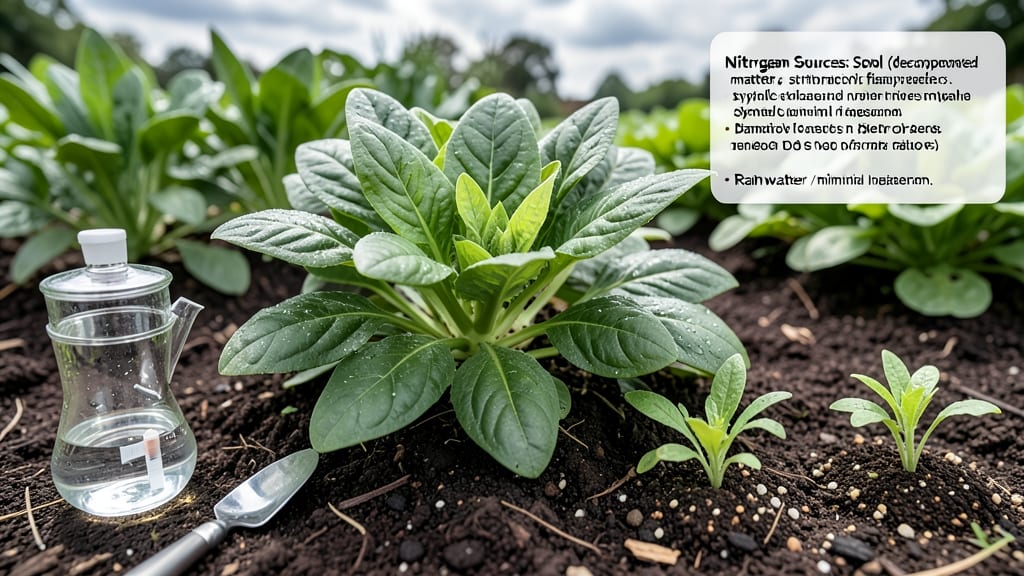
Yes, rainwater does contain nitrogen in trace amounts, primarily through atmospheric processes like nitrogen oxides from pollution and natural sources such as lightning. These levels are usually too low to support plant growth without additional soil nutrients.
Rainwater collects nitrogen through complex atmospheric interactions, including lightning strikes that convert nitrogen gas into usable forms. 🌩️ While these traces exist, they're rarely enough to nourish plants—think of it like a tiny sprinkle of fertilizer compared to what your garden truly needs.
For container gardens, I recommend testing your collected rainwater with a simple DIY kit (like a liquid nitrogen test strip) to confirm levels before relying on it as your sole nutrient source.
Many gardeners supplement with compost tea or diluted fish emulsion to ensure their plants get the full spectrum of nutrients they crave.
Here's the kicker: regional differences matter. Urban areas often have higher nitrogen deposits from vehicle emissions, while rural zones may rely more on natural processes.
If you're growing nitrogen-loving plants like tomatoes or peppers, consider placing containers near nitrogen-rich sources like clover patches or using slow-release organic fertilizers to bridge the gap between what rainwater provides and what your plants demand.
💡 In This Article
- How Atmospheric Nitrogen Ends Up in Rainwater
- Nitrogen in Rainwater for Gardening: What Growers Need to Know
How atmospheric nitrogen ends up in rainwater
Atmospheric nitrogen (N₂) makes up about 78% of our air, but plants can't use it in this form. The transformation begins when lightning strikes split nitrogen molecules, creating nitrogen oxides (NOₓ) that react with water vapor to form nitric acid (HNO₃).
This process, called lightning fixation, is nature's way of converting inert nitrogen into soluble nitrates (NO₃⁻) that dissolve in raindrops. A single lightning bolt can produce enough nitrogen oxides to fertilize about 1 acre of soil—though this only happens during storms.
Human activities contribute significantly too. Vehicle emissions and industrial processes release nitrogen oxides (NO and NO₂) that combine with atmospheric moisture to form nitric acid, which then falls as acid rain. In urban areas, this can increase rainwater nitrogen levels by 5-10 times compared to rural regions.
Even biological processes play a role: Soil bacteria release ammonia (NH₃) that reacts with atmospheric acids to form ammonium (NH₄⁺), another plant-usable nitrogen form. The solubility of these compounds depends heavily on rainwater's pH (4.5-6.5)—more acidic rain dissolves nitrogen more efficiently.
What's fascinating is how these processes vary by region. Coastal areas often see higher nitrogen deposition from ocean spray (which contains ammonia), while agricultural zones may experience elevated levels from fertilizer runoff.
In my own backyard, I've noticed that rain collected after summer thunderstorms consistently shows slightly higher nitrogen readings on my test strips—likely from both natural lightning and increased vehicle emissions during hot weather. This seasonal variation is why gardeners in different climates need to adjust their fertilization strategies accordingly.
The nitrogen in rainwater exists in two main forms: nitrates (NO₃⁻) and ammonium (NH₄⁺). Nitrates are highly mobile in soil, often leaching away quickly, while ammonium binds more tightly to soil particles. This difference explains why some plants benefit more from rainwater nitrogen than others.
Leafy greens like lettuce and spinach, which grow quickly above ground, can utilize the mobile nitrates better than root crops like carrots that need stable nitrogen sources. The concentration? Typically just 0.1-1.0 ppm—far below what most plants need for optimal growth.
Here's where it gets technical: The nitrogen oxides in rainwater also contribute to what's called "wet deposition." When these gases dissolve in cloud droplets, they form nitric acid (HNO₃) and nitrous acid (HNO₂), which then fall as precipitation.
This chemical process is why rainwater often has a slightly acidic taste—though the nitrogen content itself is usually too minimal to be noticeable.
The key takeaway is that while rainwater does contain nitrogen, it's more about the journey these molecules take through the atmosphere than the quantity they deliver to your garden soil.
For those tracking nitrogen sources, consider this: A typical rainfall event might deposit about 0.5-2.0 pounds of nitrogen per acre annually from natural processes alone. That's roughly equivalent to what you'd get from a single application of compost tea.
When you factor in urban pollution, that number can double—but even then, it's a drop in the bucket compared to what most plants need to thrive. This is why gardeners often pair rainwater collection with other nitrogen sources like legume cover crops or fish emulsion fertilizers.