
Flowers
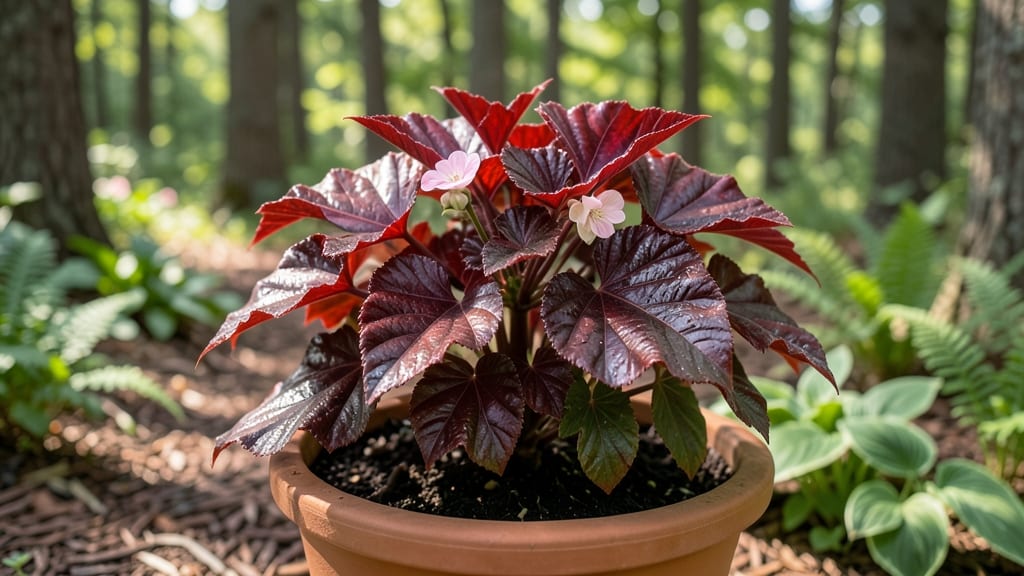
Dragon Wing Begonia behaves as a perennial in warm climates but dies back each year in colder regions, relying on tubers to regenerate annually. This dieback pattern reveals whether it’s a seasonal showstopper or a long-term garden favorite.
This plant’s behavior hinges on temperature sensitivity—its thick, fleshy tubers store energy to sprout fresh foliage each spring. 🌱 In frost-free zones, it grows continuously, while colder areas force it into dormancy.
The key difference? True perennials survive winter above ground, but Dragon Wing Begonia’s underground storage system makes it act like an annual in chilly climates.
Gardeners in colder regions often treat it as a seasonal plant, digging up tubers before frost and replanting in spring. This cycle actually extends its lifespan far beyond one year—with proper care, the same tubers can regrow for decades.
The dieback isn’t failure; it’s a survival strategy that turns what looks like annual behavior into a semi-perennial powerhouse.
💡 In This Article
- Why Dragon Wing Begonia Dies Back Annually
- Extending Dragon Wing Begonia’s Lifespan in Cold Climates
Why Dragon Wing Begonia dies back annually
The Dragon Wing Begonia's annual dieback stems from its tuber-based survival strategy. Unlike true perennials that maintain above-ground growth through winter, this plant stores nutrients in thick, fleshy tubers underground. When temperatures drop below 40°F, the foliage yellows and withers—a natural response to protect the tuber's energy reserves.
This process is triggered by photoperiod changes and cold exposure, similar to how dahlias and cannas behave in frost-prone areas.
The tuber itself is the plant's biological battery, capable of surviving 5-10 years with proper care. When spring arrives, these tubers detect rising temperatures and moisture, prompting them to sprout new shoots.
The dieback isn't a sign of weakness but an evolutionary adaptation—this plant prioritizes preserving its genetic material underground rather than risking frost damage to its delicate stems. In frost-free zones like USDA 10-11, the tubers remain active year-round, allowing continuous growth.
What makes this different from true annuals? Annuals complete their entire lifecycle in one season, while Dragon Wing Begonia's tubers persist. True perennials like hostas maintain above-ground growth through winter, but this begonia's strategy is more like a "semi-perennial"—it dies back above ground but lives on underground.
The key distinction lies in its underground storage organ rather than stem or root survival mechanisms.
Cold sensitivity plays a crucial role. While the tubers can tolerate brief freezes (-5°F for short periods), prolonged cold kills the foliage and stresses the tubers. This is why gardeners in colder climates must take special overwintering precautions.
The plant's natural response to cold is to shut down all above-ground activity, conserving energy until conditions improve—a survival tactic shared with many tuberous plants like potatoes and sweet potatoes.
Interestingly, the dieback process occurs in stages. First, the leaves yellow and drop, then the stems shrivel, leaving only the tuber in the soil. This gradual process prevents sudden energy loss and allows the plant to allocate remaining resources to the tuber.
In ideal conditions, a single tuber can produce multiple shoots in spring, creating dense foliage displays that make this plant so popular in gardens.
Understanding this cycle helps gardeners appreciate why Dragon Wing Begonia behaves differently in various climates. In warm areas, it grows continuously, while in colder regions, it acts like an annual—though with proper tuber care, it can return year after year.
This dual nature makes it a fascinating study in plant adaptation strategies. 🌱