
Plants
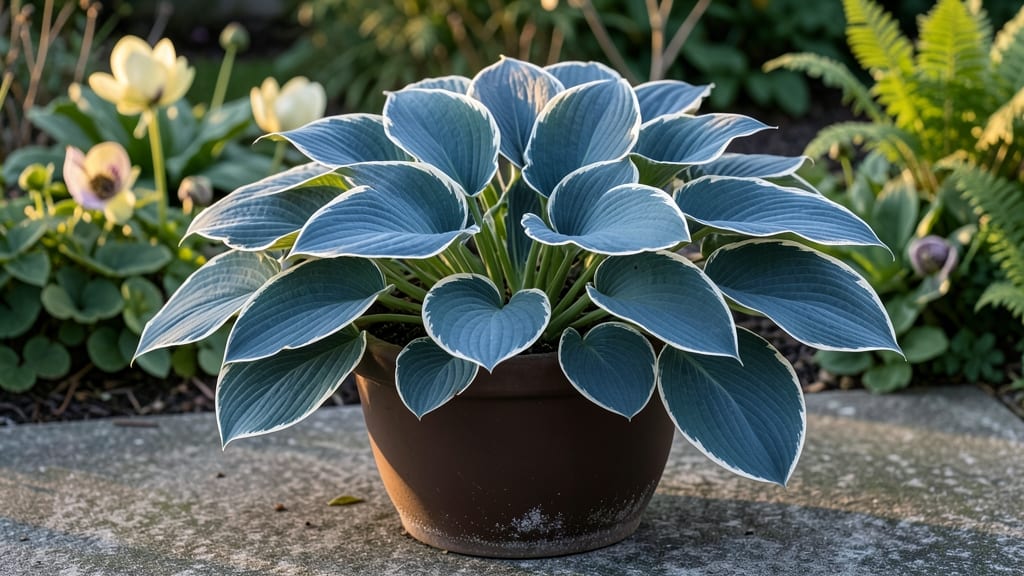
Hosta perennial plants are the quiet superstars of shade gardens—cold-hardy, leafy powerhouses that come back bigger every year. 🌿 I’ve grown them for years, and they’ve never failed me, even through brutal winters and scorching summers.
The secret lies in their adaptability: they thrive where other plants struggle, turning dull corners into lush, textured displays.
These perennials love partial to full shade and rich, moist soil, but they’re forgiving if you give them 6+ hours of indirect light and well-draining earth. Most varieties stay compact, making them perfect for borders, containers, or woodland gardens.
My ‘Blue Angel’ hosta, for instance, spreads like a velvety carpet while staying pest-resistant—unlike my neighbor’s finicky ferns.
By summer, you’ll see bold, glossy foliage in every shade from chartreuse to deep purple, with occasional spikes of lavender flowers. The best part? Hostas multiply effortlessly—just divide clumps every 3-4 years to keep them vigorous. They outperform most annuals in longevity and low-maintenance charm.
Whether you’re filling a shady spot or adding texture to a mixed border, hostas deliver foolproof beauty with almost no effort. Here’s how to make them thrive in your garden—no green thumb required.
📚 In This Guide
- What you need
- Instructions
- Tips and common mistakes
- Wrapping up and next steps
What you need
- ● Hosta plants: Choose 3–5 mature hostas (or more for a lush display), based on your garden size and desired variety (e.g., Hosta ‘Blue Angel’ or Hosta ‘Halcyon’).
- ● Well-draining potting mix: 1–2 bags (10–15 lbs each) of high-quality organic soil or a blend of garden soil + compost (70% soil, 30% compost).
- ● Mulch: 1–2 bags (10–15 lbs) of shredded bark, wood chips, or pine needles to retain moisture and suppress weeds.
- ● Slow-release fertilizer: 1–2 lbs of balanced granular fertilizer (10-10-10 or 20-20-20) for planting.
- ● Garden gloves: 1 pair (heavy-duty for digging and handling soil).
- ● Watering can or hose: With a gentle spray nozzle for hydration.
- ● Trowel or hand shovel: For transplanting and soil work.
- ○ Garden fork: To loosen compacted soil (optional but helpful).
- ● Pruners: Sharp, clean pruners for trimming dead foliage or dividing plants.
- ● Measuring tape or ruler: To space hostas 12–36 inches apart (depending on variety).
- ○ Garden kneeler or pad: For comfort during planting (optional but recommended!).
- ● Shade cloth: Lightweight fabric (30–50% shade) to protect young hostas from harsh sun.
- ● Pest deterrents: Slug bait (iron phosphate-based) or copper tape to safeguard against slugs/snails.
- ● Decorative stones or edging: For a polished garden bed look.
- ● pH test kit: To check soil acidity (hostas prefer 6.5–7.5 pH).
Step-by-step guide to planting and maintaining hostas
Hostas thrive with minimal fuss once you understand their basic needs—here’s how to plant and care for them so they return bigger and bolder each year.
🌱 Step 1: Choose the Perfect Planting Spot
Hostas love shade to partial shade, so pick a location that gets 2-4 hours of morning sun or dappled light all day. Full sun in hot climates causes leaf scorch, but cooler regions can handle 4-6 hours of afternoon shade. Test your spot by placing a white board where you plan to plant—if it’s warm to the touch after a few hours, the area gets too much sun.
They also appreciate moisture, so avoid dry, windy areas. A north-facing foundation or beneath deciduous trees works beautifully. I always check the soil first—hostas hate soggy roots, so if your yard drains poorly, amend with 2-3 inches of compost to improve drainage while retaining moisture.
🪴 Step 2: Dig and Prepare the Soil
Dig a hole twice as wide as the root ball but only as deep as the top of the roots. Hostas prefer to sit slightly above ground level to prevent crown rot. Loosen the sides of the hole with your hands or a trowel—this helps roots spread into the surrounding soil instead of circling in the planting hole.
Mix the excavated soil with compost or aged manure to enrich it. Hostas thrive in rich, moist soil with a slightly acidic to neutral pH. If your soil is heavy clay, blend in 1 part perlite or sand to improve aeration. A handful of balanced fertilizer (10-10-10) mixed into the soil gives them a slow-release boost.
💧 Step 3: Plant and Water Thoroughly
Gently remove the hosta from its container and tease the roots apart if they’re circling. Place it in the hole so the crown sits 1 inch above soil level. Fill in around the roots with your amended soil, pressing lightly to eliminate air pockets. Hostas hate dry soil at planting, so water deeply right away—aim for 1 gallon per plant to settle the soil and encourage root growth.
Mulch with 2-3 inches of shredded bark or wood chips to retain moisture and keep roots cool. Avoid piling mulch directly against the crown, as this can trap moisture and cause rot. Water again in 3-5 days to ensure the soil stays consistently damp during the first few weeks.
☀️ Step 4: Maintain for Year-Round Beauty
Water 1-2 times per week during the first growing season, depending on rainfall, to keep the soil evenly moist. Once established, hostas are drought-tolerant but reward you with larger leaves when kept consistently moist. In hot climates, you may need to water weekly to prevent leaf edges from browning.
Fertilize in early spring with a balanced, slow-release fertilizer or a handful of compost spread around the base. Hostas are heavy feeders, so I top-dress with compost again in midsummer to keep their foliage vibrant. Cut back dead leaves in late fall or early spring, leaving the crown intact for next year’s growth.
✂️ Step 5: Divide and Propagate Every Few Years
Hostas multiply quickly, so divide them every 3-5 years in early spring or fall. Dig up the clump, separate the smaller crowns with a sharp knife, and replant the divisions immediately. Each division should have 1-2 healthy leaves and a good root system. This keeps your plants vigorous and prevents overcrowding.
Here’s the thing—hostas are one of the most low-maintenance perennials, but they’ll thank you for these simple steps. Watch them spread and fill in over time, creating lush, shade-loving ground cover that returns year after year with minimal effort.
Tips & tricks for perfect hosta planting and growth
Real talk: Hostas are forgiving, but these small tweaks make all the difference between "meh" foliage and showstopping shade plants.
Sunlight Strategy: That 2-4 hours of morning sun is non-negotiable for most varieties, but here's the thing—if your hostas start developing yellow edges in summer, they're getting too much sun. Test with a white board: if it's warm after 2 hours, move them to deeper shade. Blue hostas handle slightly more light than gold varieties, which can scorch easily.
Soil Science: The 2-3 inches of compost recommendation is your foundation, but don't stop there. I've found that adding a handful of worm castings to the planting hole gives hostas an extra nutrient boost without risking over-fertilization. For heavy clay soils, mix in perlite at a 1:4 ratio with your amended soil—this improves aeration without drying out the roots too quickly.
Planting Precision: That 1-inch crown height above soil level is critical for preventing crown rot, but here's what nobody tells you: Use a level to ensure your planting hole isn't sloped. Water always runs to the lowest point, and soggy crowns lead to rot. I mark the planting depth on my trowel with a permanent marker for consistency across multiple plants.
Watering Wisdom: The 1 gallon per plant initial watering is just the beginning. After planting, I set up a drip irrigation system on a timer for 15 minutes twice daily for the first week. This mimics natural rainfall patterns and prevents the soil from drying out too quickly. Once established, hostas are drought-tolerant, but their leaves will always be bigger when kept consistently moist.
Pro Tips for Hosta Perennial Plants
- Real talk: Hostas are forgiving, but these small tweaks make all the difference between "meh" foliage and showstopping shade plants.
- Sunlight Strategy: That 2-4 hours of morning sun is non-negotiable for most varieties, but here's the thing—if your hostas start developing yellow edges in summer, they're getting too much sun.
- Soil Science: The 2-3 inches of compost recommendation is your foundation, but don't stop there.
Frequently asked questions
Got questions about growing hosta perennial plants? You’re not alone—these cold-hardy beauties are full of surprises! Whether you're a first-time gardener or a seasoned pro, here’s what you need to know before diving in.
Are hostas easy to grow for beginners?
Hostas are super beginner-friendly—they thrive in shade, tolerate poor soil, and come back year after year. Just plant them in well-draining soil, water occasionally, and watch them grow! Pro tip: Mulch around the base to retain moisture and deter weeds.
How cold-hardy are hostas really?
Hostas are extremely cold-tolerant, with most varieties surviving down to -20°F (-29°C) or lower! Even in harsh winters, their roots stay protected underground. Just avoid planting in freeze-thaw-prone areas where heaving (soil pushing up roots) can damage them.
Why do my hostas get eaten by slugs and snails?
Hostas are a slug and snail buffet—their tender leaves are irresistible! Set up beer traps, use copper barriers, or handpick pests at night (they’re most active then). Pro tip: Try slug-resistant varieties like 'Halcyon' or 'Blue Angel' for fewer munchies.
Can I grow hostas in full sun?
Most hostas prefer partial to full shade, but some varieties (like 'Francee' or 'Guacamole') tolerate morning sun in hot climates. Avoid hot afternoon sun, which can scorch leaves. Test your spot: If it’s sunny for 4+ hours/day, opt for shade-tolerant types.
When is the best time to divide hosta plants?
Divide hostas in early spring or fall when the soil is cool but workable. Avoid dividing in summer heat, which stresses the plant. Dig up clumps, separate crowns with roots, and replant immediately. Bonus: Dividing every 3-4 years keeps them healthy and prevents overcrowding!
Do hostas bloom? What should I do with the flowers?
Yes! Hostas produce spiky, lavender blooms in summer—but they’re not the star! Many gardeners snip them off to redirect energy to leaf growth. If you love flowers, let a few bloom, but deadhead spent blooms to keep the plant tidy.
Wrapping up and next steps
Hostas are the ultimate low-maintenance superstars for gardeners craving lush, shade-loving greenery that thrives year after year. 🌿 From their striking foliage to their cold-hardy resilience, these perennials bring effortless beauty to any landscape—whether you’re a seasoned green thumb or just starting your gardening journey.
Ready to transform your garden? Start small with a few varieties, experiment with placement, and watch your space flourish with vibrant, reliable charm!