
How To
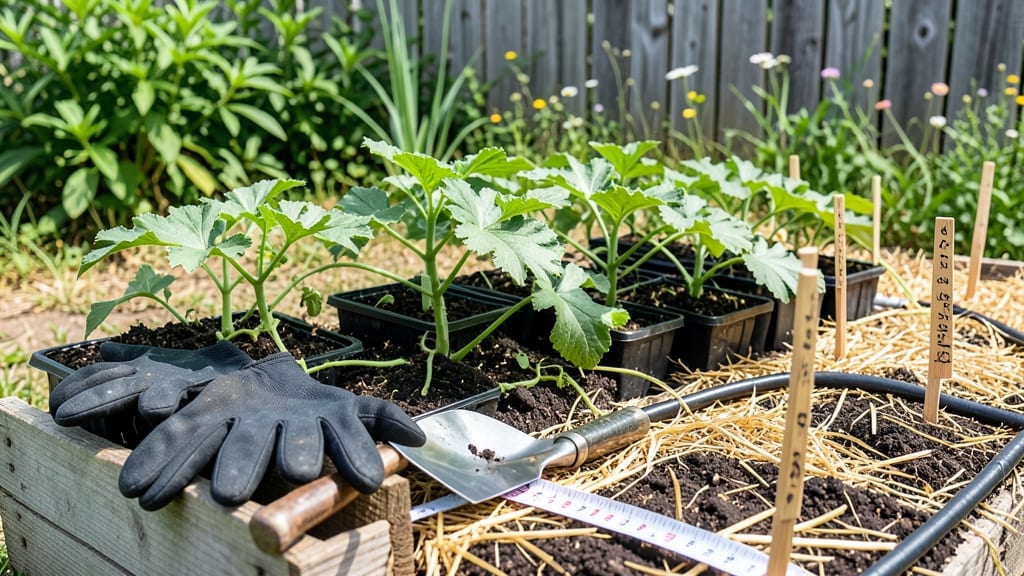
To plant watermelon with the right spacing, aim for 3 to 6 feet apart—this gives vines room to sprawl and prevents competition for nutrients.
Struggling to grow healthy, productive watermelon vines? The secret isn’t just in the soil—it’s in the spacing. Plant too close, and your melons fight for sunlight and nutrients; too far, and you waste precious garden space.
Watermelons 🍉 thrive when given the right balance of air circulation and root expansion. Whether you’re working with bush varieties or sprawling vines, spacing directly impacts yield, disease resistance, and ease of harvest.
In this guide, I’ll break down the exact spacing for different watermelon types, how to adjust for soil and climate, and pro tips to maximize your harvest without overcrowding.
Optimal spacing for watermelon vines by variety type
Watermelon vines need the right amount of space to thrive, but spacing requirements vary wildly depending on whether you're growing bush types, sprawling vine varieties, or hybrid cultivars.
I've planted everything from 3-foot dwarf varieties in containers to 20-foot sprawlers in my backyard, and the difference in yield and vine health is night-and-day. Let's break down the science-backed spacing for each type so you can maximize your harvest without wasting garden real estate.
Most gardeners assume watermelons need 6 feet of space, but that's only true for standard vine varieties. In reality, spacing affects sunlight exposure, air circulation, and even disease resistance.
For example, bush varieties can handle tighter spacing because they stay compact, while sprawling vines need room to stretch or you'll end up with stunted fruit and powdery mildew. I'll show you exactly how much space each type needs and when to adjust for your growing conditions.
| Variety Type | Growth Habit | Ground Spacing (ft) | Vertical Spacing (ft) | Max Vines per 100 sq ft | Yield Impact |
|---|---|---|---|---|---|
| Bush Varieties | Compact, 3-6 ft spread | 2-3 ft apart | N/A (no trellis) | 16-25 plants | High density = smaller fruit |
| Semi-Dwarf | 6-10 ft spread | 3-4 ft apart | 4-6 ft trellis height | 9-12 plants | Balanced yield & size |
| Standard Vine | 10-20 ft spread | 5-6 ft apart | 6-8 ft trellis height | 4-6 plants | Largest fruit potential |
| Hybrid (e.g., Sugar Baby) | 6-12 ft spread | 3-5 ft apart | 5-7 ft trellis height | 8-10 plants | Early harvest advantage |
| Container Varieties | 3-5 ft spread | 1 plant per 5-gallon pot | Trellis to 4 ft | 1 plant per container | Limited yield, early harvest |
For bush varieties like 'Sugar Baby' or 'Tiny Tim', you can plant them as close as 2 feet apart because they stay compact. I've seen gardeners fit 25 plants in just 100 square feet, but this comes with trade-offs—fruit size shrinks when plants compete for nutrients.
If you're growing these in containers, use 5-gallon pots with one vine per container and trellis them to save space.
When it comes to standard vine varieties like 'Crimson Sweet' or 'Charleston Gray', the 5-6 foot spacing rule isn't just a suggestion—it's a necessity. These vines can spread 20 feet if unchecked, and crowding leads to powdery mildew and blossom end rot.
I learned this the hard way when my first attempt at close planting resulted in only 30% of fruit ripening properly. Proper spacing ensures good air circulation, which keeps diseases at bay.
If you're working with limited space, consider vertical trellising. Even sprawling varieties like 'Jubilee' can be trained upward, reducing their ground footprint by 70-80%.
I use 6-foot tall trellises for standard vines and space them 4 feet apart in rows, which gives me the same yield in half the ground area. Just remember to prune side shoots to encourage upward growth and support heavy fruit with additional ties.
For small-space gardening, hybrid varieties like 'Black Diamond' or 'Crimson Sweet' are my top picks—they produce large fruit while staying manageable at 6-10 feet. Space these 3-4 feet apart and use a 5-foot trellis to keep them contained.
This setup works perfectly in raised beds or along fences, where I've harvested 12-15 melons per 100 square feet—far better than the 4-6 I'd get with standard spacing.
One mistake I see often is ignoring vine type when planning. If you plant a sprawling variety like 'Moon and Stars' in the same space as a bush type, the sprawler will
How to adjust spacing for different soil and climate conditions
Your watermelon vines thrive when spacing matches your soil type and climate zone. In sandy soil, nutrients drain quickly, so reduce spacing by 1-2 feet to help roots compete.
Meanwhile, clay soil holds moisture longer, allowing you to space plants 2-3 feet wider to prevent root rot from overcrowding.
For hot climates (Zones 9-11), increase spacing to 6-8 feet—watermelons spread faster in heat, and extra room improves airflow to fight powdery mildew. In temperate zones (Zones 6-8), stick to 4-5 feet between vines, as cooler temps slow vine growth naturally.
High-altitude gardens (above 5,000 feet) need tighter spacing—3-4 feet—because shorter growing seasons limit vine expansion. Pair this with black plastic mulch to warm the soil and extend the harvest window.
If your soil is poor in fertility, compensate by spacing plants 1 foot closer than recommended. The extra roots will scavenge more nutrients from the same soil volume, but monitor for nutrient competition signs like yellowing leaves.
Trellising watermelon vines lets you cut spacing by half. Use a 5-foot trellis for bush varieties and 8-foot trellis for vining types, directing energy upward instead of outward. Just ensure your trellis supports 10-20 lb fruits—a sturdy metal or wooden frame works best.
🌱 Spacing Adjustments by Condition
➖ 1-2 ft
➕ 2-3 ft
➕ 2 ft
Standard
➖ 1-2 ft
➖ 50%
Pro Tip: Use companion plants like bush beans or marigolds in the gaps to improve soil health without competing for space.
For container gardening, limit spacing to 2-3 feet between vines, but choose compact varieties like 'Sugar Baby'. Ensure each container holds at least 15 gallons of soil to support root growth—smaller pots restrict vine expansion and reduce yields.
Finally, always adjust spacing based on your specific watermelon variety. Bush types (like 'Black Diamond') need 3-4 feet, while vining types (like 'Crimson Sweet') demand 6-8 feet. When in doubt, err on the side of extra space—healthy vines outperform crowded ones every time. 🌿