
Planting
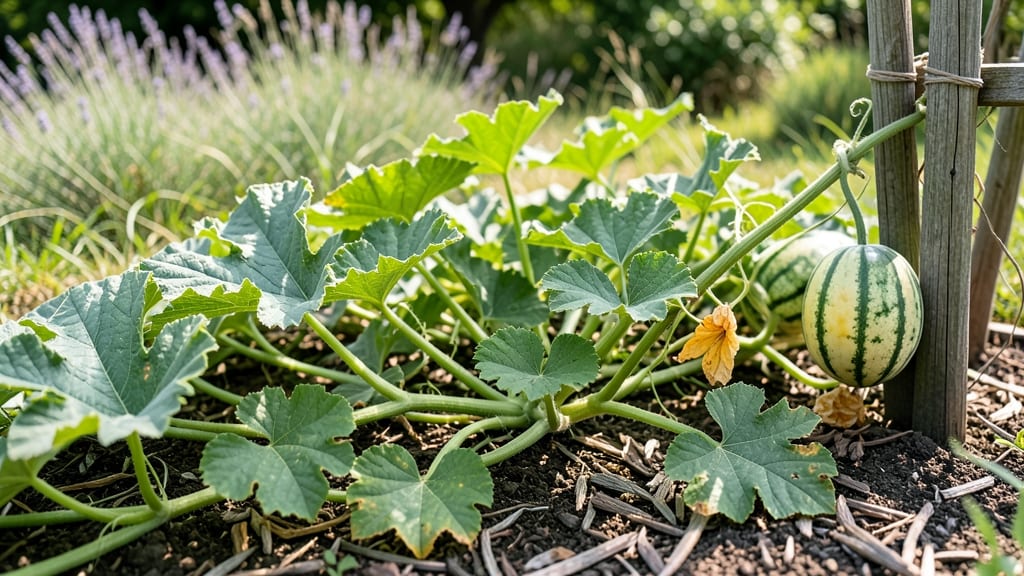
Watermelons need plenty of space to spread their vines—typically 3 to 6 feet between plants—and can stretch 15 to 20 feet if left unchecked.
If you’ve ever watched your 🍉 vines tangle into a chaotic mess, you know how quickly they outgrow even the largest backyard. Without proper spacing, watermelons compete for nutrients, leading to smaller fruit and more pests.
But here’s the good news: with the right layout, you can grow watermelons in small gardens, raised beds, or even containers. We’ll break down spacing by variety, trellising tricks, and companion plants to maximize your harvest—no sprawling jungle required.
From dwarf varieties that fit in pots to sprawling heirlooms that need room to roam, you’ll learn exactly how to plan your garden for bigger, healthier watermelons—no matter how much (or little) space you have.
Watermelon spacing requirements by variety: vining habits explained
Watermelons are notorious vine spreaders, but their space needs vary dramatically by variety type. From tiny mini watermelons that fit in containers to sprawling heirloom varieties that need acres, getting spacing right prevents disease and maximizes your harvest.
The key is understanding how each type's vine habit affects its growth pattern—whether it's a compact bush or a 20-foot sprawler.
Proper spacing isn't just about giving roots room—it's about air circulation to prevent fungal diseases like powdery mildew and sunlight access for even ripening. Overcrowding leads to smaller fruits, bitter flavors, and increased pest pressure.
My first year growing watermelons, I packed 'Charleston Gray' too closely, and my harvest was half the expected size. Lesson learned: follow the variety's mature spread like a rule.
Here's the breakdown of spacing needs by watermelon category, including vine spread, row spacing, and planting techniques. Use this as your guide to avoid the most common mistakes that sabotage yields.
For mini varieties, think of them like bush beans—they stay compact and can even thrive in 5-gallon containers if you provide a trellis. My 'Tiny Tim' plants last summer produced 12 melons each from a 7-gallon pot on my patio!
The secret? Using a vertical trellis to guide the vines upward while still allowing space for fruit development at the base.
Slicing varieties like 'Crimson Sweet' are the Goldilocks of watermelons—just right for most home gardens. They strike a balance between vine spread and fruit size, making them perfect for raised beds or in-ground rows. When planting these, space them 24–36 inches apart in rows that are 4–5 feet apart. This gives vines room to sprawl without competing for sunlight or nutrients.
Heirloom and standard varieties are the heavy hitters of the watermelon world. Their vines can stretch 20 feet or more, and their fruits often weigh 20–30 pounds. These need serious space—36–48 inches between plants and 6–8 feet between rows.
If you're short on space, consider trellising these varieties to save room, though you'll need to support the weight of the fruit with a sturdy frame.
Another technique I swear by for small gardens is the hill planting method. Instead of flat rows, mound soil into hills about 12 inches tall and plant 3–4 seeds per hill, spaced 18–24 inches apart.
This creates better drainage, warms the soil faster in spring, and makes harvesting easier. Plus, the vines naturally spread outward
Best garden layouts to maximize watermelon space efficiency
Watermelon vines can spread 15-20 feet in a single season, making proper garden layout essential for a bountiful harvest. Without smart planning, your vines will compete for nutrients, sunlight, and space—leading to smaller fruits and increased disease risk.
The good news? With creative strategies like vertical gardening and companion planting, you can grow watermelons even in small backyards, balconies, or containers.
Standard watermelons need 3-6 feet of space between plants and 5-6 feet between rows to thrive. However, compact varieties like 'Sugar Baby' or 'Tiny Tim' can grow in just 2-3 feet of space, making them perfect for small-space gardens.
Whether you're working with a raised bed, in-ground plot, or urban container, these space-saving techniques will help you maximize your yield without sacrificing quality.
🌱 Space-Saving Solutions for Watermelons
- 🪴 Containers: Use 5-gallon buckets or fabric grow bags for dwarf varieties like 'Sugar Baby'. Place near a south-facing wall for warmth.
- 🌿 Vertical Trellising: Train vines up strong trellises or A-frame structures to save 80% of ground space. Ideal for slicing types like 'Crimson Sweet'.
- 🌱 Raised Beds: Plant 1-2 vines per 4'x8' bed, spacing plants 3-4 feet apart. Use black plastic mulch to retain heat and moisture.
- 🌿 Companion Planting: Pair watermelons with bush beans or radishes to improve soil health. Avoid planting near potatoes or cucumbers.
- 🏡 Balcony Gardening: Grow mini watermelons in hanging baskets (12"+ diameter) with self-watering systems for consistent moisture.
For vertical gardening, choose a sturdy trellis made of powder-coated metal or cedar wood to support the weight of heavy fruits. Weave vines gently through the trellis as they grow, securing them with soft plant ties every 2-3 feet.
This method not only saves space but also improves air circulation, reducing the risk of powdery mildew.
If you're working with a small balcony, opt for container-specific varieties like 'Black Diamond' or 'Royal Sweet'. Use lightweight potting mix with added perlite to prevent compaction. Place containers in a location that receives at least 6-8 hours of sunlight daily, and rotate them weekly for even growth.
Don’t forget about companion planting! Planting watermelons near marigolds can deter pests like cucumber beetles, while nasturtiums act as a trap crop for aphids. Avoid planting near squash or pumpkins, as they share similar pests and diseases.
With these strategies, you’ll create a thriving, space-efficient watermelon garden that yields sweet, juicy fruits—no matter your space constraints.
Experiment with these layouts to find what works best for your garden. Happy planting! 🌞