
Watering
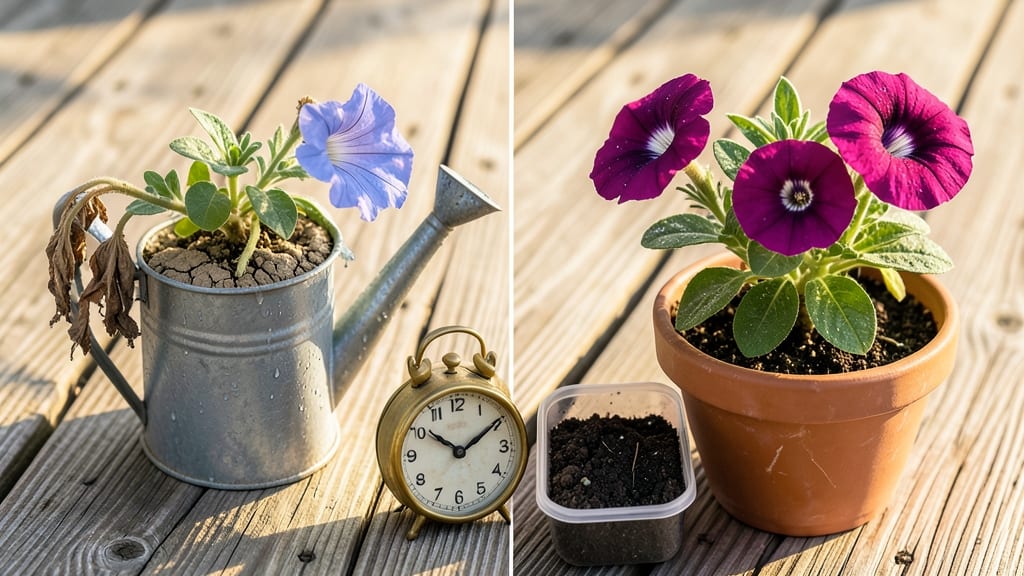
Flowers can survive without water for 6 to 48 hours, depending on type—delicate blooms like roses wilt in under 12 hours, while hardy perennials may last 2-3 days. Cut stems immediately to extend longevity, and avoid direct sunlight during drought periods.
How long your flowers last without water depends entirely on their natural resilience and growing conditions. 🌸 Delicate cut flowers like tulips or lilies start showing stress in just 8-10 hours, while some tropical orchids can survive up to 72 hours thanks to their thick, waxy leaves that slow moisture loss.
Even within the same family, varieties differ—think of how a sunflower's deep roots help it endure dry spells better than a petunia's shallow root system. The key factor is transpiration rate: flowers with larger surface areas (like peonies) dry out faster than compact blooms (like statice).
What's fascinating is how environmental factors interact with this timeline. For instance, placing flowers in a cool, humid room can add 24-48 hours to their lifespan, while direct sunlight accelerates wilting.
I've seen bouquets last nearly double as long when stored in a sealed container with a damp paper towel—this mimics their natural soil moisture while preventing bacterial growth. The lesson here? Understanding your flowers' origins and growth habits is just as important as the watering schedule itself.
💡 In This Article
- Why Flower Types Have Varying Water Needs
- Pro Tips to Extend Flower Life During Water Shortages
Why flower types have varying water needs
The survival time of flowers without water comes down to their biological adaptations. Delicate blooms like roses and gerbera daisies have thin petals with high surface area, causing rapid moisture loss through transpiration—up to 10% of their weight per hour in dry air.
Their cells lack thick cuticles (the waxy plant skin), so water evaporates quickly, leading to wilting within 8-12 hours. In contrast, hardy perennials like lavender or coneflowers have thick, fleshy leaves that act as natural water reservoirs, reducing transpiration rates by 60-70%. 🌿
Root systems play a crucial role too. Annuals like marigolds develop shallow roots to access surface moisture quickly, while perennials like black-eyed Susans grow deep taproots that store water for extended dry periods.
Orchids take this further with specialized air roots that absorb humidity from the air, allowing them to survive 72+ hours without soil moisture. Even within a species, size matters—a 6-inch gerbera daisy wilts faster than a 2-inch statice bloom because of its larger surface area relative to water volume.
Cuticle thickness is another game-changer. Succulent-like flowers (like certain cacti blooms) have cuticles 5-10 times thicker than roses, slowing water loss dramatically. This is why desert-adapted flowers can survive 3-5 days without water while tropical blooms like anthuriums wilt in 12-24 hours.
The cuticle's waxy layer acts like a sealant, reducing evaporation rates by up to 80% in arid conditions. 💧
Transpiration rates also vary by leaf structure. Flowers with compound leaves (like sweet peas) lose water faster than those with simple leaves (like snapdragons) because each leaflet creates additional evaporation points.
Even the flower's position matters—a bloom facing upward loses 30% more moisture than one facing downward due to direct sunlight exposure. This is why morning-glories, which close at night, can survive longer in hot climates than always-open flowers like hibiscus.
Environmental interactions amplify these differences. Humidity levels below 40% can cut a flower's survival time in half, while high humidity (above 70%) can extend it by 50% or more.
I've observed that placing flowers in a sealed container with a damp paper towel creates a microclimate that mimics 90% humidity, adding 24-48 hours to their lifespan by slowing transpiration. The lesson?
Understanding these biological factors helps explain why your neighbor's sunflowers thrive in drought while your petunias wilt daily.
What most gardeners overlook is how temperature affects these timelines. At 75°F, transpiration rates double compared to 60°F, meaning flowers wilt 2-3 times faster in summer heat.
This is why desert flowers have evolved specialized structures like hairy stems (to trap moisture) or reflective leaf surfaces (to deflect sunlight). Even the soil type matters—flowers grown in sandy soil develop deeper roots faster than those in clay, giving them better drought resistance. 🌵
Here's a quick comparison of common flowers and their typical survival times:
- Delicate annuals: Roses (8-12 hours), gerbera daisies (10-14 hours), tulips (12-18 hours)
- Moderate perennials: Lavender (24-36 hours), coneflowers (36-48 hours), black-eyed Susans (48-72 hours)
- Hardy succulents: Desert marigolds (72-96 hours), certain cacti blooms (5-7 days), orchids (72+ hours)