
How To
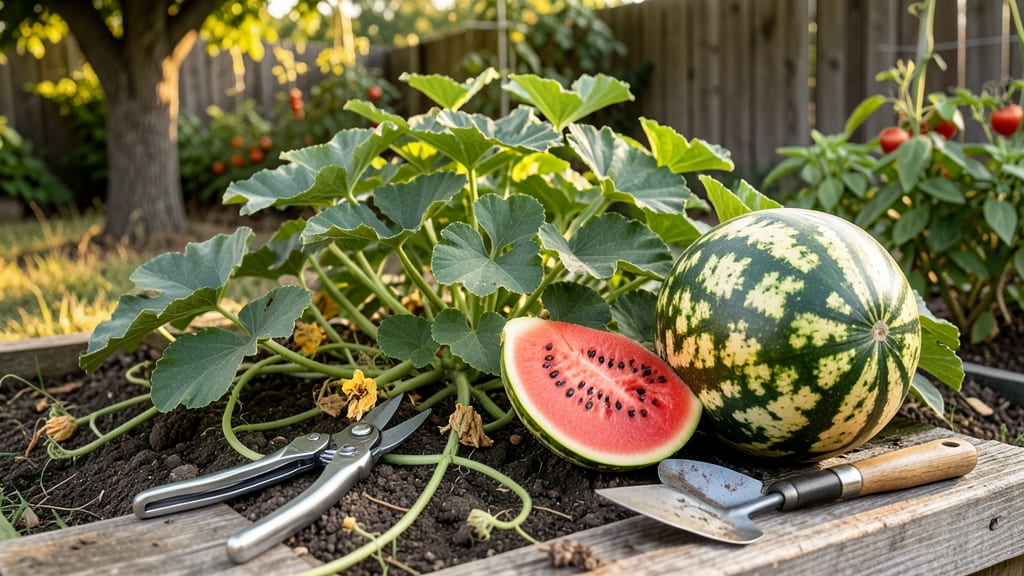
Harvesting watermelon at the right time means the difference between a juicy, sweet explosion 🍉 and a bland, watery disappointment — and the key is knowing how long to wait after planting.
If you’ve ever bitten into a watermelon only to find it bland and watery, you know timing is everything — harvesting too early or too late can ruin your crop. But how do you know when your watermelon is truly ripe and ready to pick?
Most varieties take between 75 and 90 days to reach peak ripeness, but visual cues like a dried tendril, deep color, and a hollow thump are the real game-changers. These signs tell you the fruit is ready to harvest, no guesswork needed.
In this guide, I’ll walk you through the exact field-ready signs to watch for, how climate affects timing, and what to do if you miss the window. Ready to pick the perfect watermelon?

Watermelon harvest timeline: days to maturity by variety
Knowing when to harvest your watermelons depends heavily on the variety you're growing. While most watermelons reach maturity between 60 and 90 days after planting, some varieties—like mini watermelons—can be ready in as few as 50 days, while heirlooms may take up to 100 days.
Understanding these timelines helps you plan your garden layout and avoid missing the perfect harvest window.
Your local climate zone plays a huge role in ripening speed. In hot, southern climates, watermelons often mature faster due to longer growing seasons, while cooler northern regions may see delayed ripening.
Even within the same zone, soil quality and water consistency can shift your harvest timeline by 1-2 weeks—well-drained, nutrient-rich soil speeds up maturity.
Here’s a quick reference for common watermelon varieties and their typical harvest windows. Use this as a starting point, but always check for field-ready signs (like tendril browning) before picking.
| Variety | Days to Maturity | Size | Notes |
|---|---|---|---|
| Seedless (e.g., Sugar Baby, Crimson Sweet) | 65-80 days | Medium (10-20 lbs) | Popular for home gardens; sweet and tender |
| Heirloom (e.g., Moon and Star, Black Diamond) | 80-100 days | Large (20-30 lbs) | Bold flavors; requires more space and time |
| Mini (e.g., Sugar Shot, Tiny Tim) | 50-60 days | Small (1-3 lbs) | Great for containers; harvest early for best flavor |
| Slicing (e.g., Jubilee, Carolina Cross) | 75-90 days | Large (25-40 lbs) | Classic supermarket types; store well after harvest |
If you’re growing seedless watermelons, expect a slightly shorter timeline—typically 65-80 days—since these varieties focus on sweetness and tenderness over size. Heirloom varieties, on the other hand, often take longer to mature because they prioritize complex flavors and larger fruit.
For example, a Moon and Star watermelon might not be ready until 90-100 days after planting.
For mini watermelons, the speed of maturity is a major advantage. Varieties like Sugar Shot can be harvested in just 50-60 days, making them ideal for short-season gardens or container growing.
These tiny melons are perfect for snacking and don’t require as much space, so they’re a great choice for beginners or urban gardeners.
Your planting date also affects when you’ll harvest. If you’re in a warmer climate (like USDA Zone 9 or higher), you might plant as early as March and harvest by June.
In cooler zones (like Zone 6 or lower), wait until after the last frost—usually mid-May—and expect harvests in late August or September.
Don’t overlook the impact of fertilization and watering habits. Over-fertilizing with nitrogen can lead to lush vines but small, underdeveloped fruit. Instead, use a balanced 10-10-10 fertilizer every 3-4 weeks during the growing season.
Pair this with deep, consistent watering—especially during fruit development—to avoid cracked or unevenly ripened melons.
Pro tip: Keep a harvest journal to track your watermelon’s progress. Note the planting date, variety, and any unusual weather conditions (like heatwaves or droughts). Over time, you’ll spot patterns and fine-tune your timing for future seasons.
For instance, if your Sugar Baby melons ripened 10 days early last year, you can adjust your planting schedule accordingly.
Remember, while days to maturity give you a general timeline, the final decision should always be based on visual and tactile cues. A watermelon might be on schedule but not yet ripe—so always check for tendril browning, rind toughness, and a hollow sound when tapped before harvesting.
With the right variety selection, climate awareness, and care practices, you’ll be slicing into perfectly ripe watermelons at just the right moment—no bland surprises here! 🍉
5 Field-ready signs your watermelon is perfectly ripe
Determining when to harvest watermelons can feel like guessing, but nature gives you clear clues if you know what to look for. Ripe watermelons don’t just taste sweeter—they develop distinct visual and physical cues that signal peak ripeness.
Ignoring these signs often leads to underripe fruit that’s watery or overripe fruit that’s seedy and past its prime.
Most gardeners focus on days to maturity (typically 75-90 days after planting), but environmental factors like heat and soil quality can shift that window. Instead of counting days, trust these field-tested indicators to ensure you pick watermelons at their sweetest, juiciest moment.
🌱 5 Signs Your Watermelon Is Ripe
-
1. Tendril Near Fruit Turns Brown
The small vine (tendril) closest to the watermelon should be dry and brown. If it’s still green, wait 3-5 days. -
2. Rind Color Deepens & Hardens
Check the underside of the watermelon—it should be cream-colored or yellowish, not green. Press your thumbnail: no indentation means it’s ripe. -
3. Hollow Sound When Thumped
Tap the watermelon with your knuckles—deep, hollow sound = ripe. A dull thud means it’s still developing. -
4. Ground Spot Darkens
The white/yellow spot where the watermelon rested on the ground will turn creamy or yellow when fully ripe. -
5. Vine Near Fruit Starts Dying
The main vine attached to the watermelon will wilt or brown—this is nature’s cue to harvest soon.
Pro tip: Combine these signs for accuracy. For example, a brown tendril plus a hollow thump nearly guarantees sweetness. Heirloom varieties like ‘Moon and Stars’ may take longer to show these cues, so monitor them closely.
Avoid common mistakes like harvesting based on size alone—some watermelons stay small but ripen perfectly, while others grow large but never sweeten. Overripe watermelons develop soft spots, so act when you see 3-4 of these signs together.
Once you’ve confirmed ripeness, use a sharp knife or pruners to cut the stem—never twist, or you risk damaging the fruit. Store in a cool, dry place (50–55°F) for up to 2 weeks, or enjoy immediately for peak flavor!