
Blooming
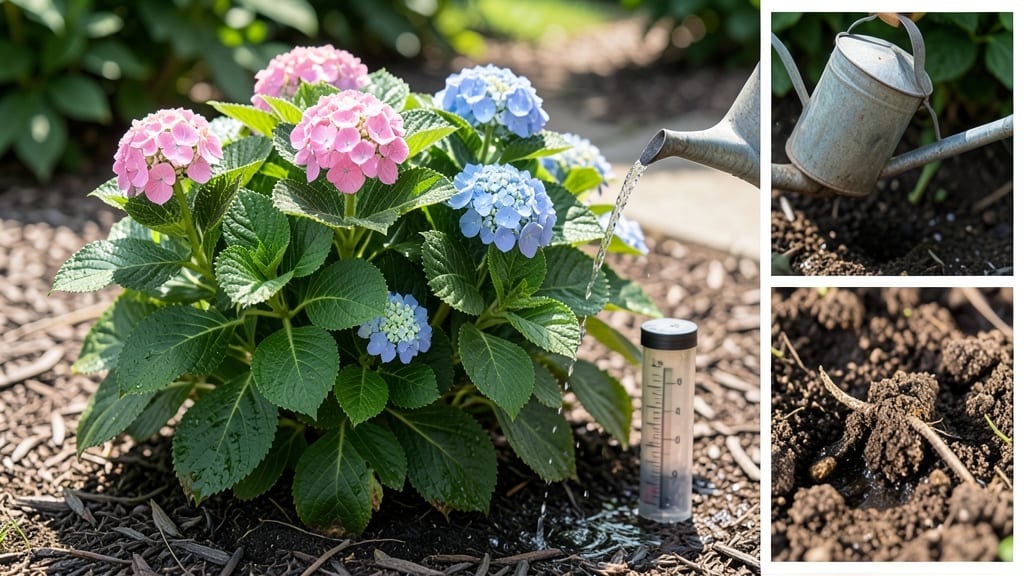
Watering hydrangeas for 10-15 minutes per session keeps those 🌸 blooms lush and vibrant, but timing is everything—too little and they wilt, too much and roots rot.
Struggling to keep your hydrangeas blooming all season? Overwatering or underwatering can turn vibrant blooms into sad, wilted heads—so timing your watering perfectly is key.
Most gardeners guess, but hydrangeas actually need deep, infrequent drinks rather than daily sips. In Zone 6a, where spring planting is ideal, a morning watering schedule in April and May sets them up for summer success.
Below, I break down exactly how long to water by season, soil type, and bloom cycle—plus how to spot when you’re getting it wrong. No more guesswork, just bigger, healthier blooms all year.
Optimal watering duration for hydrangeas by season and soil type
Hydrangeas thrive on consistent moisture but despise soggy roots—so nailing the watering duration is everything. Unlike drought-tolerant succulents, these beauties need deep, infrequent watering to encourage lush blooms.
The key? Adjusting your 5-15 minute sessions based on season and soil type—sandy soil drains fast, while clay holds moisture like a sponge.
Start by checking your soil moisture before watering: Stick your finger 2-3 inches deep. If it feels dry, it's time to water. For container-grown hydrangeas, they dry out faster than in-ground plants, so shorten your sessions to 5-10 minutes every 5-7 days.
In the ground? Aim for 10-15 minutes every 7-14 days, depending on the season.
| Season | Soil Type | Watering Duration | Frequency | Moisture Check |
|---|---|---|---|---|
| Spring | Sandy | 5-8 minutes | Every 5-7 days | Top 1-2 inches dry |
| Spring | Clay | 8-10 minutes | Every 10-14 days | Top 2-3 inches dry |
| Summer | Sandy | 10-15 minutes | Every 3-5 days | Top 1 inch dry |
| Summer | Clay | 12-15 minutes | Every 7-10 days | Top 2 inches dry |
| Fall | Sandy | 5-7 minutes | Every 10-14 days | Top 2-3 inches dry |
| Fall | Clay | 7-10 minutes | Every 14-21 days | Top 3 inches dry |
In spring, hydrangeas wake up from dormancy and need gentle encouragement. Water for 5-10 minutes every 5-7 days if your soil is sandy, or 8-10 minutes every 10-14 days for clay.
This is when you’ll see new growth—don’t skimp! Think of it as their bloom-building season, so consistent moisture is non-negotiable.
When summer heat rolls in, increase your watering duration to 10-15 minutes for sandy soil and 12-15 minutes for clay. This is peak bloom season, and hydrangeas will thank you with vibrant flowers.
Water in the early morning to prevent fungal diseases from overnight moisture. If your leaves start curling or wilting, it’s a sign you’re not watering deeply enough.
As fall approaches, cut back on watering. Your goal shifts from encouraging blooms to preparing for dormancy. Reduce sessions to 5-10 minutes every 10-21 days, depending on your soil. Overwatering in fall can rot roots before winter, so err on
Signs your hydrangeas are overwatered or underwatered (and how to fix it)
Hydrangeas are forgiving plants, but they send clear signals when their watering needs aren't met. Yellowing leaves, drooping blooms, or mushy stems often mean you're overdoing it, while crispy edges and wilting suggest thirst. The key is balancing moisture—hydrangeas need consistent hydration without soggy roots.
First, check the soil 1-2 inches deep. If it feels damp, hold off on watering. For underwatered hydrangeas, the soil will be bone-dry, and leaves may curl inward.
Overwatered plants, however, often develop mold or fungus at the base, signaling root rot. Both extremes stress your plant and reduce blooms.
⚠️ Watering Duration Warning
How long to water hydrangeas? Aim for 5-15 minutes per session—longer in sandy soil (drains fast) and shorter in clay soil (retains moisture). Water until soil is moist 6 inches down, then let it dry slightly before the next watering. Morning watering (before 10 AM) prevents fungal growth.
If your hydrangea's leaves turn yellow but stay attached, it's likely overwatered. Prune affected leaves immediately and reduce watering to every 10-14 days. For underwatered plants, give them a deep soak (1-2 gallons) and mulch around the base to retain moisture. Repeat every 7-10 days in summer heat.
Watch for drooping blooms—a classic sign of water stress. If the soil is dry, water deeply and stake the stems to support them. If blooms stay wilted even after watering, the issue might be root-bound or pests.
Inspect the roots and repot if needed, using well-draining soil mixed with perlite.
Mold or white fuzz on leaves or stems? That’s a red flag for fungal infections from overwatering. Trim infected areas with sterilized shears and space out waterings.
Apply neem oil or copper fungicide to prevent spread. In contrast, crispy leaf edges mean underwatering—boost humidity with a pebble tray or group plants together.
Use this quick fix: Stick your finger in the soil. If it feels like a wrung-out sponge, water; if it’s dry like sawdust, hydrate immediately. Adjust your schedule based on seasonal needs—hydrangeas drink more in summer and less in winter.
With the right balance, your hydrangeas will reward you with lush blooms all season.