
How To
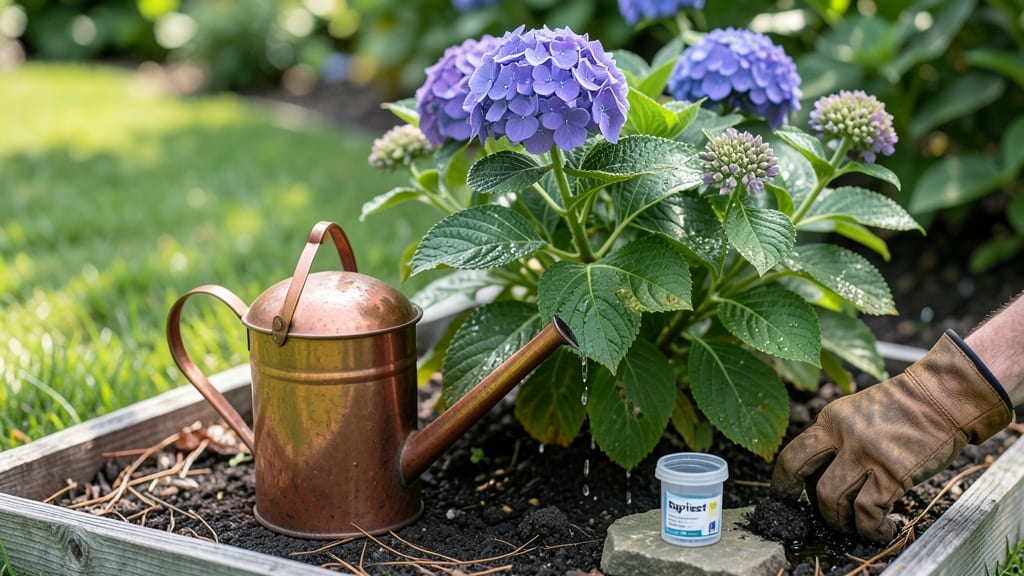
To water hydrangeas properly, aim for 1 to 1.5 inches of water per week during their growing season—more in extreme heat, less when it rains.
Struggling to keep your hydrangeas blooming as vibrantly as last summer? The secret often lies in mastering their watering needs—too much or too little can turn lush flowers into limp stems overnight.
Hydrangeas 🌸 thrive on consistent moisture, but their roots hate soggy soil. The key is deep watering—soaking the ground 6 to 8 inches down—rather than light sprinkles that only wet the surface. This mimics natural rainfall and encourages strong root growth.
In this guide, I’ll walk you through the exact watering schedule by season, how to test soil moisture without guessing, and the 5 biggest mistakes that kill blooms before they even open.
The perfect hydrangea watering schedule by season (with exact inches per week)
Hydrangeas thrive when their watering routine matches the season—not when you follow a one-size-fits-all approach. Too much water causes root rot, while too little leads to wilted blooms. The key is delivering 1 to 1.5 inches of water per week, adjusted for rainfall and soil type.
Let’s break it down by season so your hydrangeas stay vibrant all year.
Spring is when hydrangeas wake up from dormancy, so they need consistent moisture to support new growth. Aim for 1 to 1.25 inches per week, delivered in deep waterings 2-3 times per week.
If your area gets regular rain, reduce by half. Sandy soil drains faster, so it may need watering more often than clay soil, which holds moisture longer.
Summer is the most demanding season for hydrangeas. With high temperatures and evaporation, they’ll need 1.25 to 1.5 inches per week, split into 3-4 waterings per week.
Mulch around the base to retain moisture and keep roots cool. If you notice wilting leaves by midday, it’s time to water—hydrangeas show stress quickly in heat.
Fall slows growth, but hydrangeas still need 0.75 to 1 inch per week until the first frost. Reduce frequency to once every 10-14 days unless your soil is sandy. Overwatering in fall can weaken roots before winter dormancy, so let the top 2 inches of soil dry slightly between waterings.
Winter care is minimal, but don’t neglect hydrangeas entirely. In freezing climates, water once every 4-6 weeks if the ground isn’t frozen, delivering 0.5 inches total. This prevents desiccation from winter winds. In milder zones, reduce to monthly waterings of 0.25 inches if there’s no rain.
Rainfall is your best friend in hydrangea care. Always subtract 0.5 inches for every 0.25 inches of rain your area gets. For example, if your region receives 0.75 inches of rain in a week, you only need to add 0.5 inches from watering in spring or fall.
Use a rain gauge to track accurately—your local weather app won’t cut it for precise hydrangea care.
Container-grown hydrangeas dry out faster than in-ground plants. Double the watering amounts listed above and check soil moisture daily in summer. Pots lack the moisture-retention benefits of garden soil, so water when the top inch feels dry. A self-watering pot can save you time and prevent underwatering during vacations.
Watch for signs of stress: Yellowing leaves signal overwatering, while crispy edges mean underwatering. Adjust your schedule immediately—hydrangeas recover faster when caught early. If your soil is compacted or poorly draining, amend it with compost or perlite to improve aeration and moisture control.
Pro tip: Water at the base of the plant, not overhead. This reduces fungal diseases like powdery mildew and ensures roots get the moisture they crave. A soaker hose or drip irrigation system makes this effortless and delivers water exactly where hydrangeas need it most.
With this seasonal schedule, your hydrangeas will reward you with bold blooms year after year. Stick to the inches, adjust for your climate, and soon you’ll have the lush, vibrant shrubs you’ve always dreamed of. Happy gardening!
How to perform the finger test for hydrangea soil moisture (step-by-step guide)
Hydrangeas thrive when their roots stay consistently moist, but guessing your watering schedule can lead to soggy soil or parched roots. The finger test is my go-to method to check soil moisture at the perfect 1-2 inch depth—where hydrangea roots actively absorb water.
This simple technique helps you adjust your schedule before wilting or yellowing leaves appear.
Before sticking your finger in the soil, wait until the morning after your last watering. Early morning ensures you’re testing the soil’s natural state, not the temporary moisture from recent watering.
Focus on the top 1-2 inches of soil, as this is where hydrangeas need consistent dampness. Avoid testing near the plant’s base, where mulch might skew results.
- Step 1: Choose a spot 2-3 inches away from the hydrangea stem, near the outer edge of the root zone.
- Step 2: Gently push your index finger 1-2 inches deep into the soil. Aim for a spot where the soil feels loose, not compacted.
- Step 3: Observe the soil’s texture and moisture level. If it feels dry and crumbly, it’s time to water.
- Step 4: If the soil is clinging to your finger or feels soggy, hold off on watering to avoid root rot.
- Step 5: For ideal moisture, the soil should feel like a slightly damp sponge—neither bone-dry nor muddy.
If your finger test reveals dry soil, water deeply until moisture reaches 6-8 inches down. Use a slow, steady stream to encourage roots to grow deeper. For overwatered soil, reduce frequency and let the top layer dry out slightly before testing again.
Hydrangeas in containers dry out faster, so test daily during hot spells.
Adjust your watering schedule based on the season: summer heat may require daily tests, while cooler months might only need checks every 5-7 days. Mulching with 2-3 inches of organic material (like shredded bark) helps retain moisture and reduces how often you need to test.
Watch for visual cues like drooping leaves or yellowing foliage, which often signal underwatering. Conversely, mushy stems or leaf spots point to overwatering. The finger test keeps you ahead of these issues by giving you real-time feedback on your hydrangea’s hydration needs.
Pro tip: Keep a small watering journal to track when you test and adjust. Over time, you’ll notice patterns—like how your hydrangea responds to rainy weeks or heatwaves