
How To
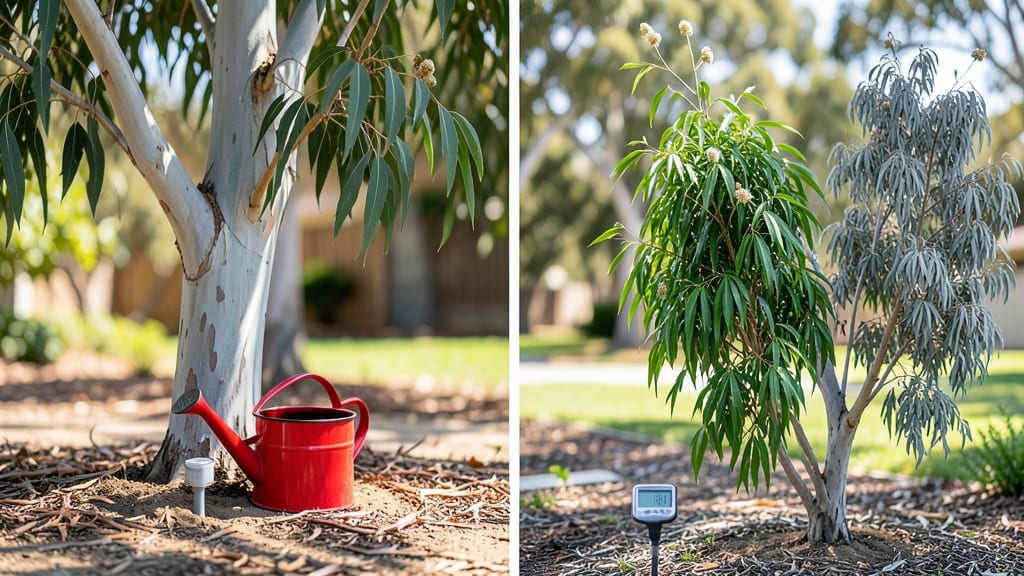
Eucalyptus trees can last 1-3 weeks without water before wilting begins, though some hardy species stretch that to 4-6 weeks in cooler climates.
Ever wondered how long your eucalyptus can survive without water before its leaves start drooping? The answer might surprise you—and knowing it could save your plant from irreversible damage.
These towering 🌳 trees rely on deep root systems to tap into moisture, but their drought tolerance varies wildly by species. A Blue Gum might hold out longer than a Silver Dollar, and soil type plays a bigger role than most gardeners realize.
Below, I’ll break down the exact timeline for common varieties, the first signs of thirst stress, and the 3-step revival method that works even after wilting starts.
How long eucalyptus trees survive without water: exact timeline by type
Eucalyptus trees are known for their drought resilience, but their survival time without water varies dramatically by species. While some varieties can endure weeks without a drink, others show signs of stress within just 3-5 days.
Understanding these differences is crucial for gardeners in dry climates or during travel. The key lies in their deep root systems and natural adaptations, but pushing them too far risks permanent damage.
For most mature eucalyptus trees planted in well-draining soil, the survival timeline begins after their first 7-14 days without water. However, newly planted trees or container-grown specimens may show distress much sooner—often within 3-7 days.
The critical factor isn't just time, but how quickly the soil dries out and whether the tree can access moisture from deeper layers.
Below is a detailed comparison of five common eucalyptus species and their drought tolerance timelines. This table includes wilting stages, recovery potential, and care adjustments to extend survival during dry periods.
The Manna Gum stands out as the most drought-tolerant, surviving up to 28 days without water due to its thick, waxy leaves and deep taproots. Meanwhile, the Gunnii variety shows distress within just 5-7 days, making it the least resilient to water deprivation.
This variance highlights why species selection matters in dry climates or for gardeners planning vacations.
For all eucalyptus types, the first visible sign of water stress is leaf curling or browning edges. If you notice these symptoms, act immediately by watering deeply at the root zone—never just a light sprinkle on the leaves.
Eucalyptus trees absorb water through their extensive root systems, not their foliage, so shallow watering worsens dehydration.
Container-grown eucalyptus trees have even shorter survival timelines—often just 3-5 days—because their roots are confined. To extend their drought tolerance, use self-watering pots or hydrogel crystals mixed into the soil. These tools can double the time between waterings by slowly releasing moisture over days.
Soil type plays a critical role in survival time. In sandy soil, eucalyptus may survive 2-3 days longer than in clay because water drains faster, but the roots can access deeper moisture reserves.
In contrast, clay soil holds water longer but can suffocate roots, accelerating stress symptoms. Always amend heavy soils with organic matter like compost or perlite to improve drainage.
If you're traveling and can't water your eucalyptus, consider root pruning before your trip. Trimming 10-20% of surface roots forces the tree to focus its energy on deeper moisture access, potentially extending survival by 3-5 additional days.
Pair this with a thick layer of mulch (3-4 inches) to retain soil moisture and regulate temperature.
Signs your eucalyptus needs water before permanent damage occurs
Eucalyptus trees are remarkably drought-tolerant, but even these hardy plants can't survive indefinitely without water. My mature eucalyptus in the backyard can last about 2-3 weeks without water in moderate climates, while younger plants may show stress after just 5-7 days.
The key is catching the early warning signs before irreversible damage occurs.
One of the first signs your eucalyptus needs water is leaf curl. Healthy eucalyptus leaves are broad and flat, but when thirsty, they'll start curling at the edges, then roll inward like a tight scroll.
This happens because the leaves try to conserve moisture by reducing surface area. Check the youngest leaves first—they're most sensitive to water stress.
Watch for color changes too. While eucalyptus leaves are typically deep green, water deprivation causes them to turn grayish-green or yellowish. In extreme cases, you might see brown leaf tips or crispy edges.
These changes indicate the plant is struggling to maintain its photosynthesis process due to lack of water.
Here's where things get critical: stem shrinkage is a late-stage warning sign. Gently press your thumb against the main stems—if they feel hollow or spongy instead of firm, your eucalyptus is severely dehydrated. This is when permanent damage becomes likely, especially in young trees with delicate root systems.
If you spot these signs, act fast! Start by giving your eucalyptus a deep watering—aim for 5-10 gallons of water at the base, not just a light sprinkle. Water in the early morning to allow foliage to dry before evening, reducing fungal risks.
For severely dehydrated trees, consider mulching with 3-4 inches of organic mulch to retain moisture.
Pro tip: After watering, check the soil 2 inches deep—it should feel moist but not soggy. If it's still dry, your tree needs more frequent watering.
Remember, eucalyptus roots grow deeply, so shallow watering won't help. Use a soaker hose or drip irrigation to encourage deep root growth during recovery.
With prompt action, most eucalyptus trees can bounce back from mild dehydration. But if you see leaf drop or stem cracking, the damage may be permanent. Prevention is key—established trees need deep watering every 10-14 days in summer, while newly planted ones require weekly watering for the first year.