
Light Requirements
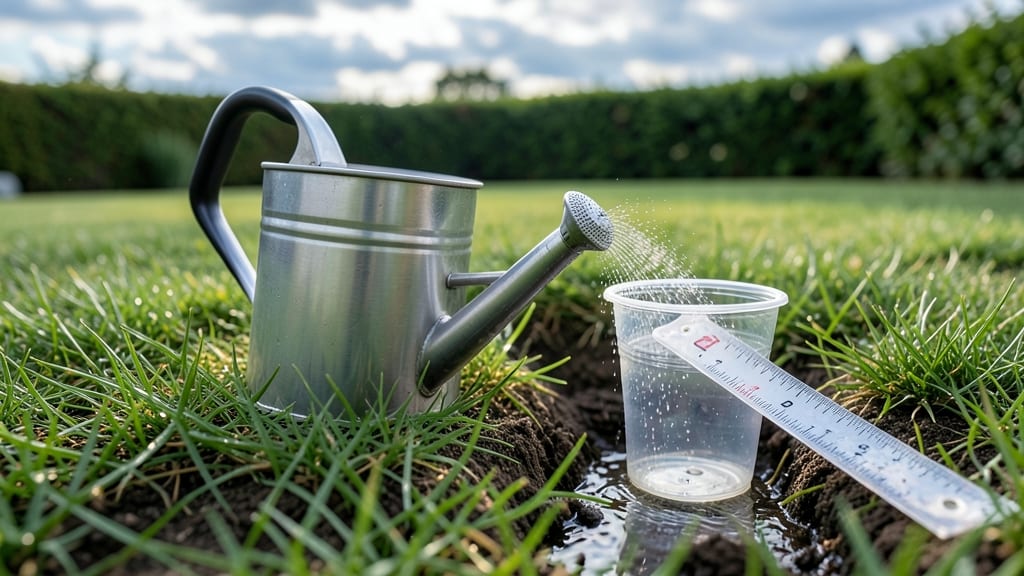
One inch of water for your plants means about 0.62 gallons per square foot—the magic number that keeps roots happy without drowning them.
Wondering how much water your plants really need? Understanding "one inch of water" isn't just gardening jargon—it’s the secret to keeping your 🌱 General Plants thriving without drowning their roots. Too little, and they wilt; too much, and you risk root rot.
The key is finding that sweet spot where moisture reaches deep enough to nourish growth but doesn’t pool at the surface.
This measurement isn’t just about rain—it applies to watering from hoses, sprinklers, or even your trusty watering can.
A simple rain gauge (or even a clear plastic bottle buried in the soil) can tell you exactly how much your plants are getting, helping you adjust your schedule for Zone 6a’s spring planting window. No more guessing whether your 🌱 General Plants are thirsty or waterlogged!
In this guide, I’ll break down how to measure "one inch" with everyday tools, why it matters for different soil types, and how to tweak your watering routine for spring’s ideal growing conditions. Ready to water like a pro?
What exactly does 'one inch of water' mean for plants?
One inch of water isn't just a random gardening measurement—it’s a precise way to describe how much moisture your plants need to thrive. Whether from rainfall or irrigation, this standard helps gardeners deliver the right amount of hydration without over- or under-watering. Think of it as a universal language for plant care, ensuring roots get the deep, consistent moisture they crave.
Many gardeners confuse this term with soil saturation levels, but it’s actually about the volume of water applied to a specific area. For example, one inch over a 10-square-foot garden equals about 6.2 gallons of water.
This measurement helps you calculate irrigation needs, especially during dry spells when natural rainfall falls short. Understanding it prevents common mistakes like shallow watering, which only wets the topsoil and leaves roots thirsty.
Here’s the key: one inch of water means the soil should be moistened to a depth of about 6 inches for most plants. This ensures water reaches the root zone, where nutrients are absorbed.
Without this depth, roots struggle to access moisture and nutrients, leading to stunted growth or wilting. It’s not about how soggy the soil feels—it’s about hydration depth.
Now, let’s clarify the difference between rainfall and irrigation. Rainfall is unpredictable, but irrigation lets you control the amount. For instance, a 0.1-inch rain gauge reading means you’d need to supplement with about 0.9 inches from your hose or sprinkler to meet the one-inch goal.
This precision is why gardeners rely on this measurement, especially in regions with irregular rainfall patterns.
Many gardeners overlook how soil type affects water retention. Sandy soil drains quickly, so you might need to apply water more frequently to reach the one-inch goal. Conversely, clay soil holds moisture longer, meaning you’ll need less frequent watering once saturated.
Always check soil moisture by sticking your finger 2 inches deep—if it’s dry, it’s time to water. This simple test saves plants from root rot or dehydration.
Another common misconception is that one inch of water equals one inch of soil saturation. In reality, it’s about the volume delivered, not how wet the soil feels.
For example, a heavy downpour might give you an inch of water, but the soil could still be compacted and lack oxygen. That’s why deep watering techniques, like soaker hoses or drip irrigation, are preferred—they deliver water slowly, allowing it to penetrate deeply without runoff.
For container gardens, the one-inch rule translates differently. A 5-gallon pot might need about 0.5 gallons of water to achieve the equivalent of one inch over its surface area. Use a tipping bucket rain gauge or a simple ruler in a clear container to measure.
Potted plants dry out faster, so monitor soil moisture daily during hot weather. Mulching helps retain moisture, reducing the need for frequent watering.
Seasonal adjustments are crucial. In summer heat, plants may need 1.5 inches per week due to evaporation, while winter watering might drop to 0.5 inches. Always observe your plants: wilting leaves or yellowing foliage signal underwatering, while mushy stems or fungal spots warn of overwatering.
Balancing these signs with the one-inch guideline keeps your garden healthy year-round.
Remember, the goal isn’t to drench the soil but to saturate the root zone. By mastering this measurement, you’ll give your plants the perfect hydration balance—neither too little nor too much.
Start with a rain gauge or DIY water test, and soon you’ll water like a pro. Your plants will thank you with lush, vibrant growth! 🌱
How to measure one inch of water for your garden or potted plants
Measuring one inch of water for your garden isn't about guessing—it's about precision. This standard measurement ensures your plants get the right hydration without waste or stress. Whether you're watering a vegetable patch or potted herbs, knowing how to track this amount helps prevent both drought and root rot.
Let’s break down the simplest ways to measure it accurately.
Most gardeners rely on rain gauges or DIY tools like empty soda bottles to track water depth. For irrigation systems, timing becomes key—understanding how long to run your sprinklers or drip lines to deliver exactly one inch.
The soil type also plays a role: clay soil holds moisture longer than sandy soil, so adjustments may be needed. Let’s explore these methods step by step.
- Use a Rain Gauge: Place an empty tall container (like a clear plastic bottle) in your garden. After watering, check the depth of water collected. One inch is about 2.54 centimeters—mark this level with tape for future reference.
- DIY Soda Bottle Test: Cut a 2-liter soda bottle horizontally at the 2.54 cm mark. Fill it with water and pour it evenly over a 1-square-foot area of soil. This delivers exactly one inch of water.
- Calculate Sprinkler Time: For sprinklers, measure how long it takes to collect one inch of water in your container. Divide this time by the sprinkler’s coverage area. For example, a sprinkler covering 500 sq ft might need 20 minutes to deliver one inch.
- Drip System Timing: Place your container under a drip emitter and time how long it takes to fill to one inch. Multiply this time by the number of emitters in your system to determine total run time.
- Adjust for Soil Type: Sandy soil drains quickly, so you may need to water more frequently. Clay soil retains moisture longer, so reduce watering slightly to avoid soggy roots.
For potted plants, one inch of water translates to about 0.62 gallons per square foot. If your pot is smaller, use a measuring cup to deliver the equivalent amount. For example, a 6-inch pot might need only 1/4 cup of water to reach this depth.
Always water until the water runs out of the drainage holes to ensure full saturation.
Keep in mind that weather conditions affect watering needs. On windy days, water may evaporate faster, requiring longer irrigation times. In humid climates, plants may need less frequent watering.
Always check the top inch of soil—if it’s dry, it’s time to water again. This simple check prevents overwatering and keeps roots healthy.
Once you master measuring one inch of water, you’ll notice a dramatic difference in your plants’ health. Vegetables like tomatoes and peppers thrive with consistent moisture, while succulents and herbs may need adjustments.
Start with these methods, and soon you’ll water like a pro—balancing hydration with efficiency. Your garden will thank you with lush, vibrant growth!