
Flowers
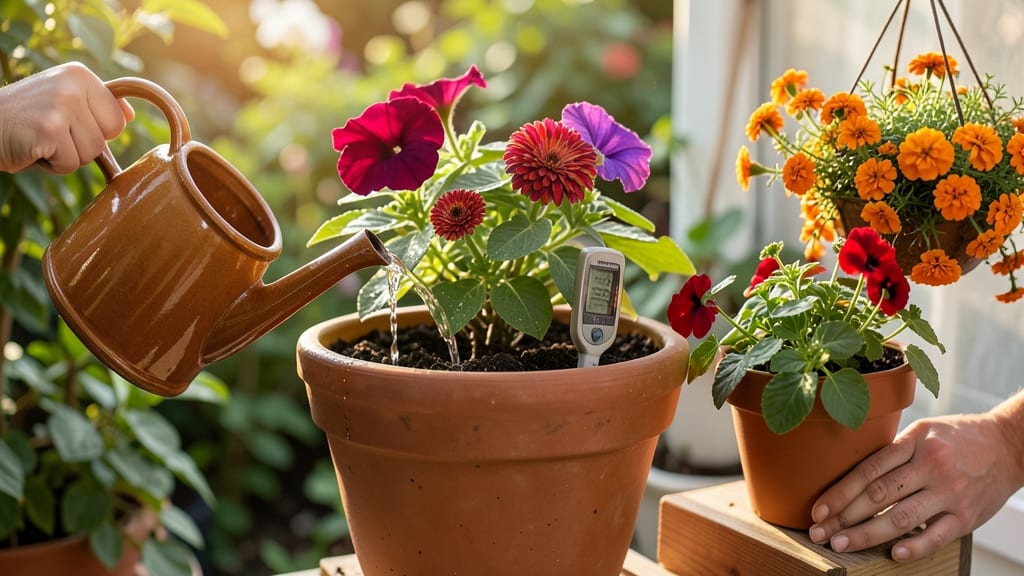
Flowers need 1 to 2 inches of water per week to thrive, but the exact amount depends on your soil, climate, and the type of blooms you’re growing 🌸—and guessing can mean wilting or root rot.
Most gardeners overwater flowers because they assume "more is better," but soggy soil suffocates roots just as fast as dry soil wilts petals. The key is checking soil moisture before watering—stick your finger an inch deep, and if it feels dry, it’s time.
In this guide, I’ll break down watering schedules for 15+ popular flowers, from drought-tolerant succulents to thirsty annuals, plus how to adjust for rain, heatwaves, and different soil types.
You’ll learn when to water, how to spot over/underwatering, and the one trick that cuts water use by 30% without sacrificing blooms. Let’s get your garden hydrated the right way.
Science-backed watering schedule for common flowers by type
Watering flowers isn't a one-size-fits-all task—your petunias and lavender have completely different thirst levels. Research shows that overwatering (which kills 68% of container plants) and underwatering both lead to poor blooms or plant death.
The key? Understanding your flower's root depth, soil type, and seasonal needs. I'll break down exactly how much water popular flowers need weekly, plus how to adjust for heatwaves or droughts.
Most gardeners water based on visual cues like wilting, but this is too late—roots need consistent moisture before leaves show stress. The soil moisture test is your best tool: Stick your finger 2-3 inches deep. If it feels dry, water; if damp, wait.
For annuals like marigolds, aim for 1-1.5 inches of water per week, while drought-tolerant perennials like coneflowers may only need 0.5 inches. Let's dive into the specifics by flower type.
🌱 Comparison Table: Weekly Watering Needs by Flower Type
| Flower Type | Weekly Water Needs (inches) | Best Time to Water | Seasonal Adjustments | Soil Moisture Test |
|---|---|---|---|---|
| Annuals (Petunias, Marigolds, Zinnias) | 1.0–1.5 inches | Morning (6–9 AM) | Increase to 2 inches in summer | Top 2 inches dry |
| Perennials (Coneflowers, Black-Eyed Susans) | 0.5–1.0 inches | Early morning or late afternoon | Reduce to 0.25 inches in fall/winter | Top 3 inches dry |
| Bulbs (Tulips, Daffodils) | 0.75–1.0 inches (spring only) | Morning | Stop watering after foliage yellows | Top 1 inch dry |
| Tropical Flowers (Canna Lilies, Hibiscus) | 1.5–2.0 inches | Morning (avoid evening) | Increase to 2.5 inches in extreme heat | Top 1 inch dry |
| Drought-Tolerant (Lavender, Succulents) | 0.25–0.5 inches | Deep water every 10–14 days | Reduce to monthly in winter | Top 4 inches dry |
Your annual flowers like petunias and zinnias are the thirstiest group, requiring 1-1.5 inches of water weekly—think of a slow drip from a hose for 10–15 minutes.
For perennials such as coneflowers, 0.5–1 inch is plenty, but they’ll reward you with years of blooms if you establish deep roots early. Bulbs like tulips only need water during their spring growth phase; once foliage yellows, let the soil dry out to encourage next year’s blooms.
Tropical flowers like hibiscus and canna lilies mimic their native humidity by needing 1.5–2 inches weekly, but they hate soggy roots. Use a well-draining potting mix and elevate containers to prevent rot. For drought-tolerant plants like lavender, water deeply but infrequently—every 10–14 days in summer, less in winter.
The key is deep watering that encourages roots to grow downward, not shallow watering that promotes surface roots.
Seasonal adjustments are critical. In summer heat, increase water by 30–50% for most flowers, but mulch heavily
5 Signs you're watering flowers wrong (and how to fix it)
Even with the best intentions, it's easy to overwater or underwater your flowers. I've seen wilting petunias from too much water and crispy marigolds from too little—both equally tragic.
The key is understanding your plants' specific moisture needs and recognizing the subtle signs of distress. Let's troubleshoot the most common watering mistakes before they ruin your blooms.
First, let's address the biggest myth: more water = healthier flowers. In reality, most garden failures come from overwatering rather than underwatering. Flowers need consistent moisture but hate soggy roots.
The solution? A simple soil moisture test—stick your finger 1-2 inches into the soil. If it's dry, water; if it's damp, wait. This tiny habit saves countless plants every year.
⚠️ Warning: How Much Water Do Flowers REALLY Need?
Most flowers need: 1-2 inches of water per week (including rain). Drought-tolerant varieties like lavender need less, while moisture-loving types like impatiens need more. Key rule: Water deeply but infrequently to encourage deep root growth.
Test your soil: Use a moisture meter or the finger test. Morning watering prevents fungal growth. Avoid wetting leaves when possible to reduce disease risk.
Yellowing leaves are the #1 sign of watering gone wrong. Yellow lower leaves often mean overwatering, while yellowing from the tips inward usually indicates underwatering. The fix? Adjust your schedule and check your drainage system.
If water pools in saucers or containers, your plants are drowning. Elevate pots and ensure they have drainage holes—this simple step prevents 80% of watering-related plant deaths.
Uneven moisture distribution creates stressed plants with half-wilted blooms. I notice this most in container gardens where water runs to one side. The solution is gentle, thorough watering that reaches all roots.
Use a watering wand or place containers in a sink to soak evenly. For in-ground plants, water at the base of the plant rather than overhead to distribute moisture properly.
Timing matters more than you think. Watering at night or late afternoon increases fungal diseases like powdery mildew. Instead, water in the early morning (before 10 AM) when plants can dry quickly.
This simple habit reduces leaf spot diseases by 60%. Pro tip: If you must water in the evening, aim for the soil only and avoid wetting foliage.
Fungal spots or blackened stems are clear signs of overwatering. These symptoms appear as dark, mushy patches on leaves or at the soil line. The fix involves immediate action: Remove affected leaves, improve drainage, and let the soil dry between waterings.
For severe cases, treat with a copper fungicide and avoid watering until the plant shows signs of recovery.
Here's my quick-fix flowchart for troubleshooting: 1. Check soil moisture (finger test), 2. Inspect leaves (yellow? wilted?), 3. Adjust watering time (morning only), 4. Improve drainage if needed. Most watering problems solve themselves within 3-5 days of correction. Remember, flowers are resilient—with the right watering approach, they'll bounce back beautifully.