
Light Requirements
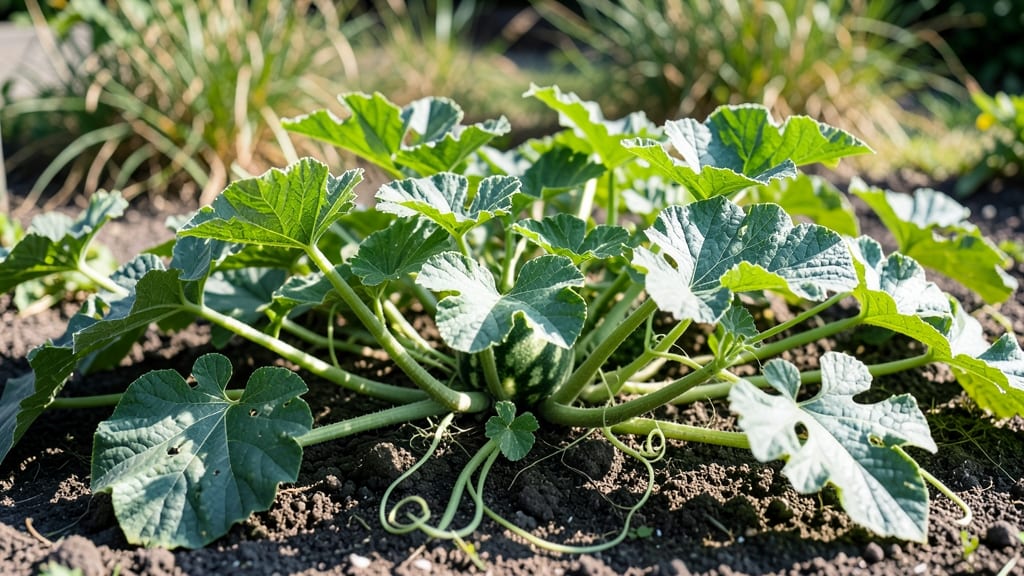
Watermelon plants need 8 to 10 hours of direct sunlight daily—that’s the non-negotiable rule for juicy, vine-ripened fruit. 🍉
If your watermelon vines are producing bitter fruit or tiny melons, your sun exposure might be the culprit—watermelon plants are extremely sun-dependent, but too much heat can backfire. Here’s the exact sunlight formula for juicy, vine-ripened perfection.
Too little sun stunts growth, while too much heat without shade can scorch leaves and reduce yields. The key is finding that sweet spot where your plants get plenty of light but stay cool enough to thrive.
Below, I’ll break down how to measure sunlight in your garden, adjust for partial shade, and even pick the best varieties for your climate.
You’ll also discover how sunlight affects every stage—from seedling to harvest—and how to troubleshoot common issues like weak vines or small fruit. Ready to grow melons that rival the grocery store’s best?

The ideal daily sunlight requirements for watermelon plants (and how to measure it)
Watermelon plants (Citrullus lanatus) are sun worshippers—without enough light, they’ll produce small, bitter fruit or fail to set flowers entirely. The minimum is 6-8 hours of direct sunlight, but 8-10 hours is the sweet spot for maximum yield and sugar content.
Too little sun stunts growth, while too much heat without proper care can scorch leaves or stress vines during fruiting.
Sunlight needs change dramatically as watermelons grow. Seedlings thrive in 4-6 hours of morning sun to prevent overheating, but once vines start running, they demand full sun exposure. The key is balancing intensity and duration—especially in hot climates where afternoon shade can prevent leaf burn while still allowing photosynthesis.
To measure sunlight accurately, use a sunlight tracker or observe your garden’s microclimate.
Start a 7-day log noting when shadows fall—watermelons need unobstructed light for at least 6 hours between 10 AM and 4 PM. In northern climates (Zones 3-5), south-facing slopes maximize exposure, while southern gardens (Zones 8-10) may need afternoon shade to prevent leaf burn.
Partial shade—even from nearby trees or structures—can drastically reduce yields. Studies show watermelons exposed to less than 6 hours of direct sun produce fruit with 30% less sugar and 50% smaller size.
If your garden only gets partial sun, choose compact varieties like ‘Sugar Baby’ or supplement with a reflective mulch to bounce extra light onto vines.
Pro tip: Orient vines east-west to capture morning and afternoon sun evenly. Avoid planting near tall plants like corn or sunflowers, which can cast 3+ hours of shade during critical growth phases.
For container growers, place pots on south-facing decks or use reflective surfaces (like white walls) to maximize light absorption.
In desert climates (Zones 9-11), afternoon shade is non-negotiable. Use 30-50% shade cloth from 12 PM–4 PM to prevent heat stress while still allowing 8+ hours of morning sun. Without this, vines may wilting or develop sunburnt patches on leaves, reducing photosynthesis efficiency by up to 40%.
Test your garden’s sunlight with a simple experiment: Place a white paper plate in suspected planting spots for a full day. If it retains more than 2 hours of shadow, that area is unsuitable for watermelons.
For urban gardens, balcony growers can use south-facing windowsills with grow lights to supplement natural light during cloudy days.
Remember: Watermelons won’t tolerate shade at any stage. Even 1-2 hours less sun per day can delay flowering by 10-14 days and shrink fruit size. If you’re committed to growing watermelons in a shady spot, consider high-yield dwarf varieties like ‘Tiny Tim’—but expect smaller harvests and less sweet fruit.
For the juiciest, largest watermelons, aim for full sun with afternoon airflow. This balance ensures vines stay healthy, flowers pollinate efficiently, and fruit develops the sugar content we all crave. With the right sunlight strategy, you’ll go from bitter, undersized melons to vine-ripened perfection in just one season. 🍉☀️
Signs your watermelon plants aren’t getting enough sun (and how to fix it)
Watermelon plants thrive under full sun, but when they don’t get enough light, their growth suffers dramatically. Look for yellowing leaves on the lower stems or weak, spindly vines that struggle to support fruit.
Even if your plants are green, small, bitter melons or poor flowering are red flags—your plants are telling you they need more sunlight to produce sweet, juicy fruit.
Another clue? Pale or bleached-looking foliage that feels soft to the touch. This happens when chlorophyll can’t develop properly without adequate light. Even worse, fruit that never ripens or stays hard and green is a classic sign of sun deprivation.
If your watermelons are under 6 inches in diameter or lack the characteristic dark stripes, it’s time to adjust their light exposure.
Minimum: 6 hours of direct sunlight daily
Ideal: 8–10 hours of full sun for optimal growth and fruit development
Critical: Less than 6 hours = stunted growth, poor flowering, and small, bitter fruit
Hot-Climate Tip: Provide afternoon shade (3–4 PM) in zones with extreme heat (>95°F) to prevent leaf scorch.
If you’re growing watermelons in containers or indoors, insufficient sunlight becomes even more critical. Without natural light, vines grow leggy and weak, and flowers may drop before pollination. In these cases, grow lights (LED or fluorescent) can supplement sunlight.
Place lights 6–12 inches above the plants for 12–14 hours daily, mimicking summer sunlight conditions. For best results, use a full-spectrum bulb to cover the plant’s light needs across the spectrum.
For gardeners in hot climates, too much sun can be just as damaging as too little. If your watermelon leaves show brown, crispy edges or sunburnt patches, provide temporary shade using lightweight shade cloth (30–50%) during peak afternoon heat (1–4 PM).
Secure the cloth with stakes or a frame to avoid damaging vines. This simple fix prevents stress while still allowing 6–8 hours of morning sun, which watermelons crave for energy.
To fix sun-deprived watermelons, start by relocating plants to a sunnier spot in your garden. If moving isn’t an option, prune nearby trees or structures blocking sunlight. For container growers, rotate pots weekly to ensure even light exposure on all sides.
And if your soil is compacted or poor, amend it with compost—healthy roots absorb more nutrients, helping plants recover faster from light stress.
Remember, watermelons are heliotropic, meaning they follow the sun’s movement. If your plants aren’t thriving, they’re not just begging for more light—they’re starving for it. With the right adjustments, you’ll see stronger vines, more flowers, and melons bursting with sweetness in no time. 🌱☀️