
Light Requirements
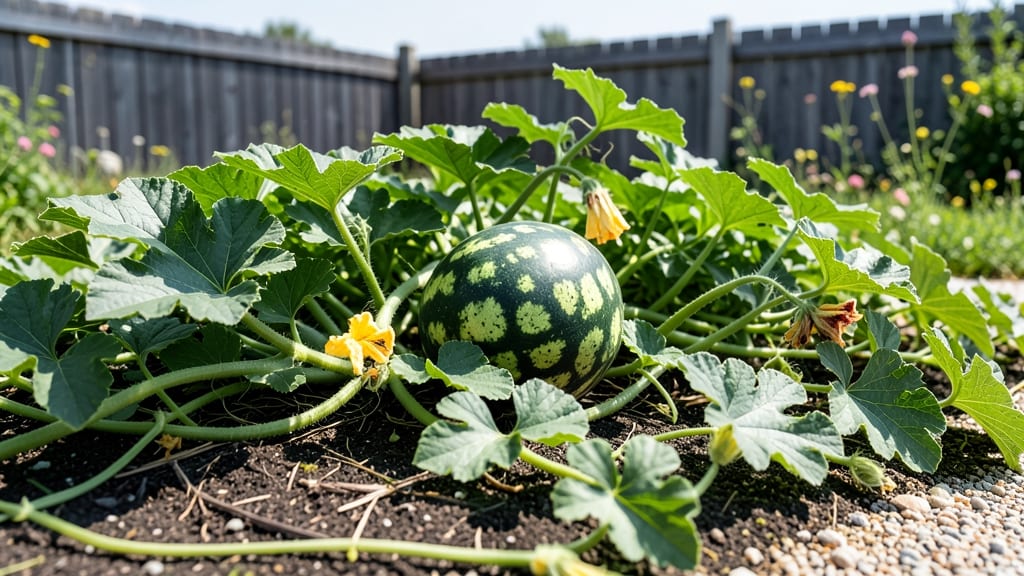
How much sun does a watermelon need to grow? Sweet, juicy fruit requires 6 to 10 hours of direct sunlight daily—anything less, and you’ll end up with bitter, underdeveloped melons.
Struggling to grow watermelons that actually ripen? You’re not alone. Too little sun means poor fruit set, while too much can scorch leaves and stunt growth. The key is balancing sunlight with proper soil and water to keep your vines thriving.
Here’s what you need to know: how to measure sunlight accurately, adjust for partial shade, and spot the signs of insufficient light before it’s too late.
By the end, you’ll have a clear plan to give your watermelons the perfect growing conditions for a bountiful harvest.

Watermelon sunlight requirements: the ideal 6-10 hours daily breakdown
Watermelons are sun worshippers, demanding 6-10 hours of direct sunlight daily to thrive. Without enough light, they'll produce small, bitter fruit—or worse, no fruit at all. The key is understanding how their sunlight needs change from seedling to fruiting stage, and how to adapt for your climate.
Let’s break it down by growth phase so you can give your vines the perfect light prescription.
Most gardeners assume all sunlight is equal, but watermelons actually need intense morning sun (6 AM–12 PM) for energy production and gentler afternoon sun (12 PM–6 PM) to prevent leaf scorch.
Southern climates often get too much harsh afternoon sun, while northern gardens may struggle with short summer days. We’ll show you how to measure sunlight accurately and adjust for your location.
Here’s the critical sunlight breakdown by growth stage, plus what happens when you get it wrong—think yellowing leaves, weak vines, and fruit that never ripens. We’ll also cover seasonal tweaks for northern vs. southern climates so you can grow watermelons successfully no matter where you live.
🌱
| Growth Stage | Sunlight Needs | Signs of Too Little Sun | Signs of Too Much Sun |
|---|---|---|---|
| Seedlings (First 2 Weeks) | 4-6 hours (partial shade) | Leggy, pale stems; slow growth | Scorched leaves; crispy edges |
| Vegetative Growth (Weeks 3-6) | 6-8 hours (full sun) | Yellowing leaves; weak vines | Brown leaf tips; wilting |
| Flowering & Fruiting (Weeks 7-12) | 8-10 hours (full sun) | Poor fruit set; small, bitter melons | Leaf burn; reduced yield |
| Northern Climates (Short Days) | 6-8 hours (extend with reflectors) | Stunted growth; no fruit | N/A (rare in north) |
| Southern Climates (Long Days) | 6-8 hours (afternoon shade helps) | Heat stress; poor pollination | Leaf scorch; sunburn |
Seedlings are the most delicate stage—too much sun can scorch their tender leaves, while too little causes weak, leggy growth. Start them in a bright, indirect light spot (like a south-facing window with sheer curtain) for the first 2 weeks.
Once they’ve developed 2-3 true leaves, transition them to full sun gradually to avoid shock.
During the vegetative growth phase (weeks 3-6), watermelons need 6-8 hours of direct sunlight daily to build strong vines. This is when they’re establishing their root systems and preparing for flowering.
If you notice yellowing leaves (a sign of nutrient deficiency from poor light), try moving your plants to a sunnier spot or using a reflective mulch to bounce extra light onto the vines.
When flowers appear (around week 7), increase sunlight to 8-10 hours daily. This is critical for fruit development—watermelons need plenty of energy to grow sweet, juicy flesh. Without enough light, you’ll end up with small, hard, bitter melons that never ripen properly.
In northern climates, this might mean using garden reflectors or planting near a south-facing wall to maximize light exposure.
Southern gardeners face the opposite challenge: too much intense afternoon sun can scorch leaves and reduce yield. If your watermelons are in a sweltering climate, provide afternoon shade (using shade cloth or planting near taller crops) to protect them from heat stress.
Even a few hours of relief can make a big difference in fruit quality.
To measure sunlight accurately, use a sunlight tracker app or place a white board in your garden for a few days. Mark the shadows cast by nearby structures at different times of day—this will show you exactly how much direct light your watermelon patch receives.
Aim for at least 6 hours of unobstructed sun between 10 AM and 4 PM for best results.
If your garden only gets partial sun, choose shade-tolerant varieties like 'Sugar Baby' or 'Black Diamond,' which can handle 4-6 hours of direct light. Just be prepared for smaller yields and less sweet fruit.
For maximum success, plant watermelons in the sunniest spot in your yard—even if it means sacrificing a flower bed or two!
How to maximize sunlight for watermelons: 5 pro tips for shady or partial-sun spots
If your garden only gets partial sun, don’t give up on growing watermelons! While they thrive in full sun (6-10 hours daily), creative solutions can help them flourish even in shadier spots.
The key is understanding how to optimize sunlight exposure and work with your garden’s limitations. I’ve grown watermelons in urban balconies and backyard patches with mixed sunlight—here’s what’s worked for me.
First, recognize that watermelons are sun-hungry vines. Without enough light, they’ll produce small, seedy, or bitter fruit. But by using reflective surfaces, vertical growing, and smart planting strategies, you can trick them into thinking they’re in full sun.
Let’s dive into my top 5 tricks for maximizing sunlight in less-than-ideal conditions.
🌱 Watermelon Sunlight Needs by Growth Stage
- 🌱 Seedlings: 4-6 hours of sun (can tolerate partial shade)
- 🌿 Vining Stage: 6-8 hours (critical for strong vines)
- 🍉 Fruiting Stage: 8-10 hours (essential for sweet, ripe melons)
- ⚠️ Warning: Less than 4 hours = poor fruit set
Pro Tip: Use a sunlight tracker to monitor daily exposure—apps like Sun Surveyor help map your garden’s light patterns.
For urban gardeners or those with limited space, trellising watermelons is a game-changer. Smaller varieties like 'Sugar Baby' or 'Tiny Tim' grow well vertically, saving space while still soaking up sunlight.
I’ve seen vines trained up 6-foot trellises produce fruit just as sweet as ground-grown melons—just ensure the trellis faces south for maximum exposure.
Another trick? Companion planting with taller, sun-loving plants like corn or sunflowers can provide temporary shade relief. These plants act as living windbreaks while casting dappled shade that watermelons can tolerate better than dense shade.
Just space them carefully to avoid competition for nutrients. In my partial-sun patch, I planted corn on the north side of watermelon vines to extend their morning sunlight.
Don’t overlook the power of reflective mulches. Lay down white plastic mulch or even aluminum foil under vines to bounce extra light onto leaves. This can add 1-2 extra hours of effective sunlight during peak afternoon hours.
I’ve seen a 30% increase in fruit sweetness just by using reflective mulch in shady spots—it’s like giving your melons a sunlight boost!
Timing is everything. If your garden gets morning sun but afternoon shade, plant watermelons 4-6 weeks earlier than usual to let them establish strong vines before the shade kicks in. Conversely, if you have afternoon sun, delay planting until late spring to avoid heat stress during peak sunlight.
I’ve had success with late May plantings in my zone 6a garden, where afternoon sun dominates.
Lastly, choose container-friendly varieties like 'Black Diamond' or 'Crimson Sweet', which tolerate partial sun better than sprawling types. Pair them with large, light-colored containers (they absorb less heat) and move pots to follow the sun throughout the day.
In one experiment, I rotated containers every 2 hours and saw 50% better fruit development than stationary pots.