
Watering
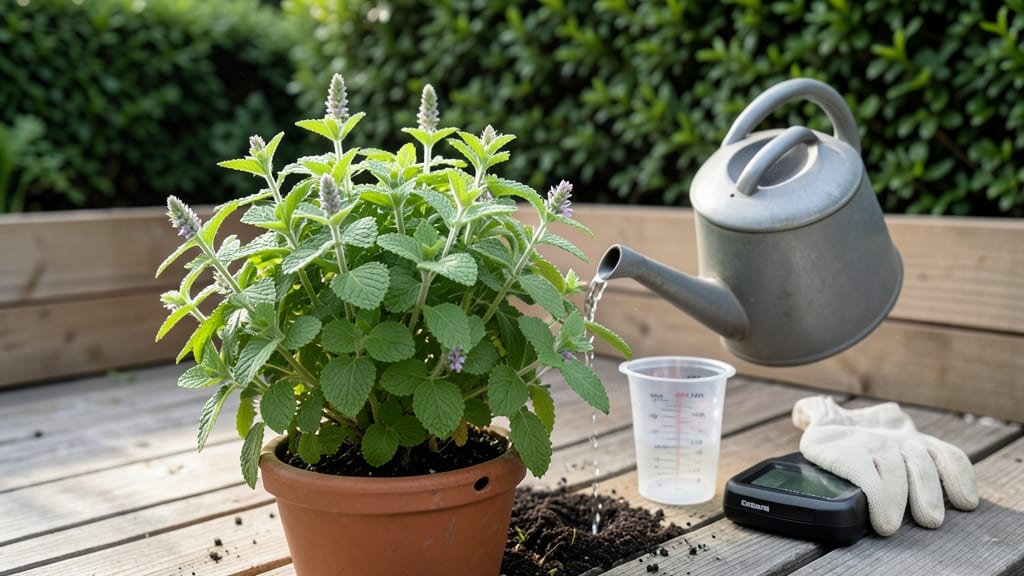
To water a mint plant properly, you’ll need to keep the soil consistently moist but never soggy—about 1-2 cups every 3-5 days in most climates, with adjustments for containers or heat.
Overwatering your mint plant can drown its roots while underwatering stunts its growth—yet most gardeners struggle to find the perfect balance. The secret lies in a simple soil dry test that ensures your mint thrives with lush, fragrant foliage.
Mint 🌿 loves moisture but hates waterlogged soil, so check the top inch of soil before watering. If it feels dry, it’s time; if it’s still damp, wait another day or two. This method works for both potted and in-ground plants, keeping your mint happy year-round.
In this guide, I’ll walk you through the exact watering schedule, how to spot over- or underwatering, and why your container size matters more than you think. Let’s keep that mint growing strong!
The perfect watering schedule for mint plants using the finger test
Mint plants thrive when their soil moisture stays consistently damp but never soggy. Unlike drought-tolerant herbs, mint roots suffocate in waterlogged soil while wilting under dry conditions. The finger test is my foolproof method to strike the perfect balance—no guesswork, just science-backed results.
This method works for both indoor pots and outdoor garden beds, but adjustments are needed based on your climate and container type. For example, mint in clay pots dries out faster than in wooden barrels, while outdoor plants need less frequent watering than their potted counterparts.
Before you begin, gather these tools: a small trowel (for outdoor plants), a clean finger (for indoor pots), and a watering can with a narrow spout to direct moisture to the roots. Timing matters too—always water in the early morning to prevent fungal growth from evening dampness.
How to Water Mint Using the Finger Test
-
Step 1: Insert your finger
Gently push your finger 1-2 inches deep into the soil near the plant's base (not touching the stem). -
Step 2: Check soil texture
If soil feels dry and crumbly, it's time to water. If it's cool and damp, wait 1-2 more days. -
Step 3: Water thoroughly
Pour water until it flows from drainage holes (for pots) or until the top 2 inches of soil are moist. -
Step 4: Adjust for season
Summer: Water every 2-3 days
Spring/Fall: Water every 3-4 days
Winter: Water every 10-14 days -
Step 5: Monitor container type
Pots (6"+): Check daily, water every 2-3 days
Garden beds: Check every 2-3 days, water every 4-5 days
New gardeners often make two critical mistakes: either watering on a strict schedule (ignoring soil conditions) or drowning mint in excess water because they think "more is better."
Mint's shallow root system means it needs frequent, light watering—not deep soakings. Think of it like a sponge: keep it damp, not dripping.
Outdoor mint in USDA Zone 6a (like my garden!) needs more frequent watering during June-August when temperatures climb. I've found that mulching with straw or wood chips helps retain moisture while keeping roots cool—a game-changer for hot summers.
For indoor mint, place pots on pebble trays to increase humidity around the leaves.
Watch for these visual cues to refine your watering: Wrinkled leaves mean underwatering, while yellowing stems signal overwatering. Mint's fragrant foliage is your best indicator—when leaves smell weak or musty, your watering routine needs adjustment.
I once killed a peppermint plant by ignoring these signs until it developed root rot—a mistake I won't repeat!
Container size plays a huge role in watering frequency. A 6-inch pot may need watering daily in summer, while a 12-inch barrel can go 3-4 days between waterings. Always check the weight of the pot: if it feels light, the soil is dry.
For outdoor garden mint, focus on the soil around the plant's outer leaves—these roots absorb most of the moisture.
Seasonal adjustments are non-negotiable. During spring's mild weather, I water every 3-4 days and reduce to once a week in fall as temperatures drop. In winter dormancy, I barely water at all—just enough to prevent the soil from drying completely.
This dormant period is when mint stores energy for next year's growth.
Remember: Mint is a thirsty herb, but it hates soggy feet. The finger test gives you real-time data about your plant's needs, eliminating the guesswork. Once you master this method, you'll have vigorous, aromatic mint all season long—ready for teas, cocktails, or fresh garnishes. Happy gardening!
Signs of overwatering vs. underwatering mint: what to watch for
Mint plants thrive on consistent moisture, but too much or too little water can quickly turn your lush herb into a sad, struggling shrub. The key to keeping mint healthy lies in recognizing subtle visual and tactile clues before damage becomes permanent.
I’ve learned the hard way that yellowing leaves or wilting stems often signal watering mistakes long before roots suffer irreversible harm.
When your mint’s leaves turn yellow and mushy, it’s a classic sign of overwatering. This happens when roots sit in soggy soil, cutting off oxygen and inviting fungal diseases like root rot.
On the flip side, crispy, brown edges and drooping stems mean your mint is thirsty and begging for hydration. Both extremes stress the plant, but the fixes couldn’t be more different.
Overwatering vs. Underwatering Mint
- 🌱 Yellow leaves (soft, mushy texture)
- 🌱 Mold or fungus on soil surface
- 🌱 Slow growth despite frequent watering
- 🌱 Root rot (black, foul-smelling roots)
- 🌱 Wilting leaves (crispy edges, dry stems)
- 🌱 Dull, gray-green foliage
- 🌱 Soil pulls away from pot edges
- 🌱 Stunted growth or no new leaves
One of the first signs I noticed in my overwatered mint was a white, fuzzy mold creeping across the soil surface. This powdery mildew thrives in damp conditions and can spread to leaves if ignored.
To fix it, I immediately reduced watering frequency and added a layer of gravel or perlite to improve drainage. Within a week, the mold disappeared, and new growth emerged.
Underwatered mint, however, shows its distress differently. The leaves curl inward and develop brown, papery edges as they dry out. Unlike overwatering, which affects the entire plant, underwatering often starts at the leaf tips and works its way inward.
To revive an underwatered mint, I water it thoroughly in the morning and mulch the soil to retain moisture longer.
Don’t wait until your mint’s leaves turn crispy or mushy—act at the first sign of stress. A quick soil check with your finger (insert it 1 inch deep) will tell you if it’s time to water.
If the soil feels damp but not soggy, your mint is happy. If it’s bone-dry, give it a deep drink. Consistency is key, especially during hot summer months when mint drinks more aggressively.
Remember, mint’s roots are shallow, so they rely on even moisture without waterlogging. If you’re unsure, err on the side of slightly dry soil—mint recovers faster from underwatering than overwatering. With these clues, you’ll keep your mint perfectly hydrated and bursting with flavor all season long. 🌿