
Light Requirements
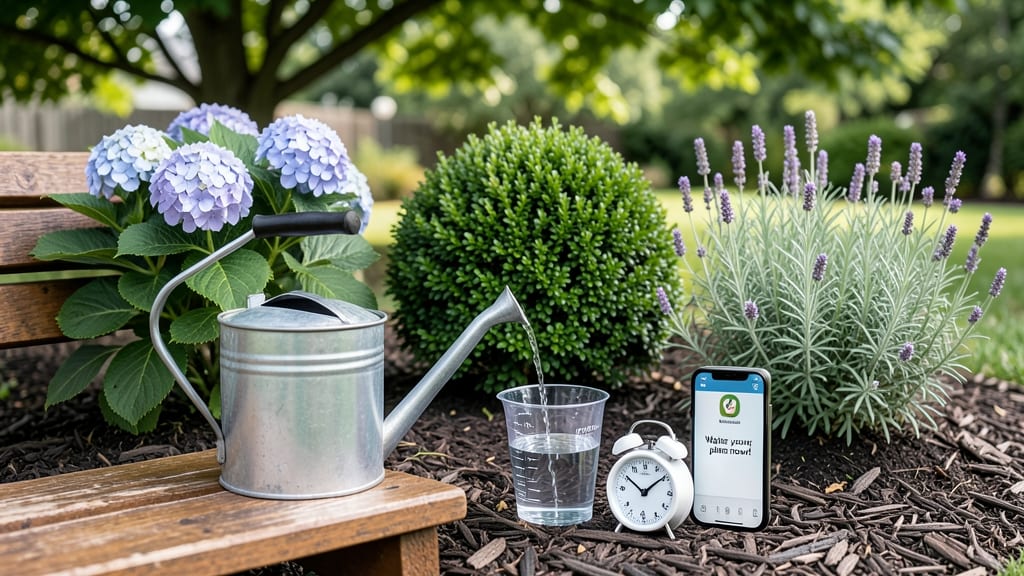
To water shrubs correctly, aim for deep soaks that moisten the root zone—usually 1-2 inches of water per session—rather than light sprinkles that barely scratch the surface.
Overwatering or underwatering shrubs can stunt their growth—or worse, kill them. Yet most gardeners struggle with the right balance, especially when soil types vary dramatically. A sandy soil drains fast, while clay holds moisture like a sponge, and guessing wrong means either soggy roots or thirsty leaves.
Your shrubs’ needs change with the seasons too: drought-tolerant varieties like boxwoods handle biweekly watering in summer, while thirsty hydrangeas may need weekly deep watering. Below, I break down the exact schedule for your soil type, plus how to spot when you’re doing it wrong.
You’ll learn how to check soil moisture, adjust for rain or drought, and even save time with the right tools—so your 🌿 shrubs stay lush without the guesswork.
Weekly watering schedule for shrubs based on soil type
Your shrubs' health depends heavily on soil type and water retention. Sandy soil drains quickly, while clay holds moisture too long—loamy soil strikes the perfect balance. Understanding these differences helps you avoid root rot or drought stress in your landscape shrubs.
Let’s break down how to water based on your soil type, with seasonal adjustments for drought or heavy rain.
Most gardeners overwater because they assume "more is better." In reality, shrubs need deep, infrequent watering to encourage strong root systems.
For example, a hydrangea in sandy soil may need watering every 3 days in summer, while the same plant in clay soil might only need watering once every 10 days. The key is soil moisture testing—stick your finger 2-3 inches deep; if it’s dry, it’s time to water.
For sandy soil, watering lightly every few days won’t help—roots need deep saturation to reach moisture. Use a soaker hose or drip irrigation to deliver water slowly, ensuring it penetrates at least 6 inches deep.
In summer, increase frequency to every 2-3 days, but always check moisture before watering. Mulch with wood chips to retain what little moisture sandy soil holds.
Loamy soil is the gold standard for shrubs like boxwood or azalea because it balances drainage and moisture retention. Water deeply once a week in spring/fall, and every 5-7 days in summer.
If you notice yellowing leaves, it’s often a sign of overwatering—let the top 2 inches dry out between waterings. In drought-prone areas, group shrubs together to create a microclimate that retains moisture longer.
Clay soil is tricky—it compacts easily and can suffocate roots if overwatered. The goal is to amend the soil with organic matter like compost or peat moss to improve drainage. Water less frequently but deeply, aiming for 4-6 inches.
If your soil feels sticky when squeezed, hold off on watering until it dries slightly. For clay-heavy areas, consider raised beds or container planting to give roots better airflow.
Seasonal changes require adjustments. During spring, when roots are establishing, water lightly but consistently—especially for new plantings.
In summer, increase frequency but water early in the morning to reduce evaporation and fungal diseases. Fall is a time to taper off, letting shrubs prepare for winter dormancy. In winter, only water if the ground is frozen or snow-covered—most shrubs need minimal moisture.
Don’t rely on a set schedule—always check soil moisture before watering. Use a moisture meter or the finger test (insert your finger 2-3 inches deep). If the soil feels dry, water; if it’s damp, wait.
Overwatering is the #1 killer of shrubs, leading to root rot and leaf drop. Adjust your routine based on weather patterns: after a heavy rain, skip watering for a few days, and during drought, increase frequency but ensure water penetrates deeply.
Pro tip: Group shrubs with similar water needs together in your landscape. For example, drought-tolerant shrubs like lavender or rosemary can share space with succulents to minimize water waste.
Always water at the base of the plant, avoiding wet foliage, which attracts pests and diseases. A 5-gallon bucket of water is often enough for a mature
Signs your shrubs are overwatered or underwatered (and how to fix it)
Shrubs communicate their water needs through subtle but unmistakable signs. Yellowing leaves or mushy stems scream "too much water," while crispy edges or drooping foliage signal dehydration. The key is learning these visual cues—because fixing the issue early can save your shrubs from irreversible damage.
I’ve seen gardeners overcorrect after spotting wilting, only to drown their plants with enthusiasm. The truth? Most shrubs prefer deep, infrequent watering over light daily doses. Let’s decode the warning signs and restore balance to your garden beds.
⚠️ Watering Shrubs: The Critical Balance
Most shrubs need 1-1.5 inches of water weekly during growing season. Clay soil holds moisture longer—water every 10-14 days. Sandy soil drains fast—water every 5-7 days. Always check soil 2 inches deep before watering: if dry, water; if damp, wait.
Start by examining the soil moisture. Stick your finger 2-3 inches deep—if it feels dry, water thoroughly. If it’s still damp, hold off. Root rot from overwatering often appears as black, mushy roots or a foul smell.
For underwatered shrubs, the roots may pull away from the soil when gently tugged.
Yellow leaves with green veins? Classic overwatering. Pair this with leaf fungus or powdery mildew, and you’ve got a soggy soil problem. Prune affected branches and improve drainage by adding compost or perlite to heavy clay.
For underwatered shrubs, deep watering at the base of the plant (not the leaves) encourages roots to grow downward.
Mulching is your secret weapon. Apply 2-3 inches of organic mulch (like shredded bark) around shrubs to lock in moisture and regulate soil temperature. Avoid piling mulch against stems—this traps excess moisture and invites disease.
Test your soil’s pH too; most shrubs prefer 6.0-7.0, and imbalanced pH can mimic watering issues.
Adjust your watering schedule by season. In summer, water early morning to reduce evaporation. In winter, cut back to monthly watering unless you’re in a drought-prone area. Always water at the soil level, not overhead—this prevents fungal spores from splashing onto leaves.
Remember: Consistency is key. Shrubs thrive on routine, so stick to your watering schedule once you’ve mastered the signs. With time, you’ll develop a sixth sense for what your shrubs truly need—no guesswork required! 🌿