
How To
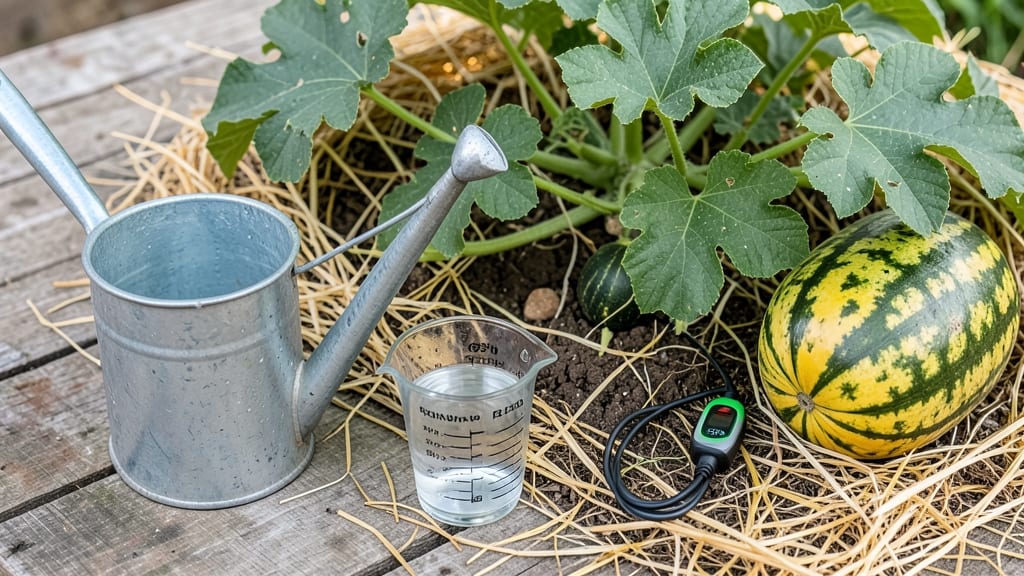
Watering watermelons the right way means giving them 1-2 inches of water per week once they’re established — but timing and technique matter just as much as the amount.
Overwatering or underwatering watermelons can turn your harvest into a bitter disappointment — yet most gardeners struggle to find the perfect balance. The secret lies in understanding when your plants truly need water, not just guessing based on a schedule.
In Zone 6a, where spring planting kicks off in April, young vines need daily moisture to root deeply. Once flowering begins, though, deep soaks every 2-3 days keep fruit sweet and juicy without wasting water.
Below, I’ll walk you through the soil dry test trick, stage-by-stage watering tips, and how to spot when you’ve got it wrong — so you end up with melons that taste like summer, not soggy disappointment.
The 1-Inch soil dry test: the golden rule for watermelon watering
Watermelons thrive on consistent moisture, but guessing your watering schedule can lead to soggy soil or thirsty vines. The 1-inch soil dry test is my foolproof method to determine when watermelons truly need hydration.
Stick your finger 1 inch deep into the soil near the vine—if it feels dry, it's time to water. This simple trick prevents both root rot and blossom-end rot, two common watering mistakes that ruin harvests.
Why this test works? Watermelons have deep root systems that need steady access to moisture, but their leaves also signal stress quickly. Overwatering causes yellowing leaves, while underwatering leads to wrinkled fruit and poor growth. The 1-inch rule balances both extremes by focusing on root-zone moisture, not surface dampness.
When to test: Always check soil moisture in the morning before watering. Early hours reveal the plant's true needs after overnight evaporation. Avoid testing after rain or irrigation, as surface moisture can be misleading. Pro tip: Use a soil moisture meter for accuracy if you're new to gardening.
| Stage | Soil Dry Test | Watering Frequency | Notes |
|---|---|---|---|
| Seedlings | 1 inch dry | Daily (light water) | Keep soil moist but not soggy |
| Vine Growth | 1 inch dry | Every 2-3 days | Deep watering (1-2 inches) |
| Flowering | 1 inch dry | Every 2 days | Critical for fruit set |
| Fruiting | 1 inch dry | Every 2-3 days | Reduce slightly 1 week before harvest |
| Heatwave | 1 inch dry | Daily (deep soak) | Increase frequency by 50% |
| Drought | 1 inch dry | Every 3-4 days | Mulch to retain moisture |
Seasonal adjustments are key to watermelon success. During heatwaves (90°F+), increase watering frequency by 50% while keeping soil consistently moist. In drought conditions, mulch heavily with straw or wood chips to lock in moisture and reduce evaporation.
Conversely, reduce watering slightly 1 week before harvest to concentrate sugars in the fruit.
Common mistakes to avoid: Watering only the leaves (leads to fungal diseases) or using drip irrigation without mulch (can dry soil unevenly). Always water at the base of the plant in the morning to prevent evening dampness that invites pests.
For container-grown watermelons, check soil moisture daily since pots dry out faster than garden beds.
Watch for visual cues like wilting leaves or curled vines—these signal underwatering. Conversely, yellowing leaves with mushy stems mean overwatering. The 1-inch test prevents both extremes by focusing on root health. Remember: Watermelons need deep, infrequent watering, not shallow daily sprinkles.
For sandy soil, you may need to water more frequently since it drains quickly. Clay soil holds moisture longer, so reduce frequency but increase depth. Always adjust based on your specific soil type and local climate. The 1-inch test is your best friend—trust it over rigid schedules!
Pro tip: Mark your watermelon bed with stakes or flags to track watering zones. This helps maintain consistent moisture levels across your entire patch. Combine the 1-inch test with mulching for best results—it’s a game-changer for watermelon care.
💧
Watermelon watering schedule by growth stage: seedling to harvest
Watermelons are thirsty plants, but their water needs change dramatically as they grow. Seedlings need gentle moisture to avoid rotting, while flowering plants demand consistent hydration for fruit set. Then, just before harvest, you'll actually reduce watering to sweeten those melons. Let's break down the perfect schedule for each stage.
One common mistake is assuming watermelons need constant soaking. In reality, their roots run deep—up to 3 feet—so shallow watering stresses them. The key is deep, infrequent watering that encourages root growth while preventing surface evaporation.
Think of it like giving your plant a long drink instead of sipping all day.
💧 Watermelon Watering by Stage
-
🌱 Seedlings (0-3 weeks)
Keep soil consistently moist (not soggy) -
🌿 Vines (3-6 weeks)
Water every 2-3 days (1-2 inches total) -
🌼 Flowering (6-8 weeks)
Deep water every 2 days (critical for pollination) -
🍉 Fruit Development (8-12 weeks)
Water every 3-4 days (reduce slightly as fruit ripens) -
🍉 Harvest Prep (Final 2 weeks)
Cut back to every 5-7 days for sweeter melons
Pro Tip: Always water at soil level, not the leaves, to prevent disease
During the seedling stage, I keep my watermelon trays on a moisture mat to maintain even dampness without overwatering. Once seedlings have 2-3 true leaves, I transplant them into the garden with a deep watering to help roots establish.
This initial hydration jumpstarts their growth and prevents transplant shock.
The flowering stage is when watermelons show their true thirst. This is when you'll see the most vigorous growth, and consistent moisture ensures those yellow blooms turn into plump fruit. I've found that morning watering during this phase prevents blossom-end rot—a common problem caused by uneven moisture.
If your plants wilt during the day, it's a sign they need water immediately.
As fruits begin to form, I switch to deep but less frequent watering. The goal is to let the soil dry slightly between waterings, which actually improves flavor. Two weeks before harvest, I reduce watering by about 30% to concentrate sugars in the fruit.
This is counterintuitive but results in sweeter, more flavorful watermelons. Just don't let the soil become bone-dry!
One final tip: Mulch heavily around your watermelon plants to retain moisture and prevent weeds. I use black plastic mulch in hot climates because it warms the soil and speeds up germination, then switch to straw mulch once vines start running.
This simple trick can cut your watering needs by up to 30% while keeping fruits cleaner and off the ground.