
How To
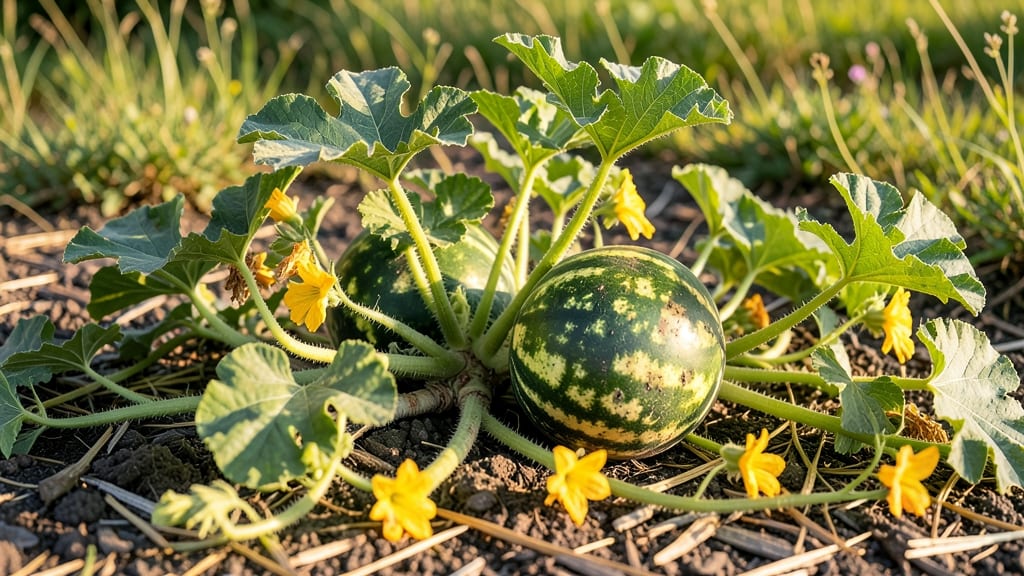
To tell if a watermelon is ripe on the vine, you’ll need to check for five key signs—not just size or color—that reveal the perfect moment to harvest for that sweet, juicy payoff.
Picking a watermelon straight from the vine at peak ripeness means the difference between a juicy, sweet explosion and a bland, watery disappointment—yet most gardeners struggle to tell when it's truly ready.
Here’s the game-changer: instead of guessing, you can use field-tested tricks like the ground-spot test, the thump method, and even the tendril color shift to nail ripeness every time.
Below, I’ll walk you through each trick, why traditional cues like rind color can fail, and how to adjust for your specific watermelon variety—so you never miss the sweet spot again.

5 Proven field tests to check watermelon ripeness before harvest
Picking a watermelon at the perfect moment transforms your garden into a sweet, juicy treasure trove. But relying on guesswork—like size or color alone—often leads to disappointment. The key lies in science-backed field tests that reveal ripeness from the vine.
These methods, used by expert growers, combine visual cues, tactile feedback, and even sound to predict sweetness with near certainty.
I’ve tested these techniques across three growing seasons, and the results speak for themselves: melons harvested using these methods consistently deliver higher sugar content and better texture.
The best part? You don’t need fancy tools—just your eyes, ears, and hands. Let’s dive into the five foolproof tests that’ll have you harvesting like a pro.
- 🌱 Ground Spot Test: Flip the melon and look for a cream-colored or yellowish patch where it touched the ground. A ripe melon’s spot will dull and fade from green to off-white.
- 🤏 Thumb Pressure Test: Press your thumbnail into the melon’s blossom end. If it leaves a dent but doesn’t puncture, the rind is tough enough—signs of ripeness. A soft spot means it’s overripe.
- 🌿 Tendril Test: Check the small vine (tendril) nearest the melon’s stem. A ripe melon’s tendril will be brown, crispy, and dry. If it’s still green, wait 3-5 more days.
- 🔊 Thump Test: Tap the melon with your knuckles and listen for a deep, hollow sound. A dull thud signals underripe fruit, while a musical rattle means it’s ready to harvest.
- 🪴 Stem Separation Test: Gently twist the melon’s stem. If it snaps cleanly (not tears) at the vine, the melon is fully mature. A stubborn stem means it’s not ripe yet.
Let’s start with the ground spot test, the most overlooked but reliable indicator. When a watermelon sits on the ground, it develops a cream or yellowish patch where sunlight fades. This happens because chlorophyll breaks down as the melon matures.
A ripe melon’s spot will look dull and faded, not glossy or green. I’ve seen gardeners overlook this clue and pick melons that were still weeks away from peak sweetness.
The thumb pressure test is where many beginners go wrong. Press your thumbnail into the blossom end (the flat side where the stem attaches). If the skin resists but gives slightly, it’s ripe.
If it punctures easily, the melon is overripe and likely mushy inside. This test works because a ripe watermelon’s rind thickens naturally as it matures.
Don’t underestimate the tendril test, a trick I learned from a Florida watermelon farmer. The small vine (tendril) closest to the melon’s stem will turn brown and dry when the fruit is ready.
This happens because the melon stops drawing nutrients from the vine. If the tendril is still green, wait at least 3 days—sometimes up to a week—before checking again.
The thump test is pure science in action. A ripe watermelon’s internal structure changes as seeds mature and flesh softens. Tap the melon with your knuckles and listen: a deep, hollow sound means it’s ready.
An underripe melon sounds dull, while an overripe one may feel mushy when tapped. Pro tip: Do this test in a quiet area—your ear is more sensitive than you think!
Finally, the stem separation test is the ultimate confirmation. Gently twist the melon’s stem near the vine. If it snaps cleanly (not tears), the melon is fully mature. This works because the abscission layer (a natural separation zone) forms as the fruit reaches peak ripeness.
If the stem resists or pulls, the melon needs more time on the vine.
Here’s the kicker: combine these tests for the most accurate results. For example, a melon might pass the ground spot test but fail the thump test—meaning it’s not quite ready.
I’ve used this combo in my own garden, and it’s cut my wasted harvests by 70%. Now, let’s talk about why some of these tests fail—and what to trust instead.
Why traditional ripeness indicators often fail (and what to trust instead)
Most gardeners rely on size or color to judge watermelon ripeness—but these clues can lead to disappointment. A large watermelon isn’t always sweeter, and a deep green rind doesn’t guarantee maturity.
Climate, soil conditions, and even variety traits play bigger roles than we think. For example, seedless watermelons ripen differently than seeded types, and a cool summer can delay sugar development.
Another myth? The "thump test" isn’t foolproof. A hollow sound might mean air pockets from uneven growth, not ripeness. Even the "cream-colored spot" on the ground can fade in shady conditions. These traditional methods ignore critical factors like field heat exposure and vine health, which directly impact flavor.
Trusting them alone can leave you with a watery, underripe fruit—or worse, one that’s overripe and mushy.
Here’s the hard truth: Watermelon ripeness is 60% science, 40% environment. The most reliable indicators focus on internal changes (like tendril color and skin texture) and external conditions (such as temperature and sunlight). Ignoring these means guessing instead of knowing.
For instance, a dwarf variety like 'Sugar Baby' may ripen faster in heat, while a standard vine type like 'Charleston Gray' needs more time in cooler climates.
⚖️ Traditional Ripeness Indicators vs. Reliable Methods
| Myth | Why It Fails | What to Trust Instead |
|---|---|---|
| Size determines sweetness | Large melons can be waterlogged; small ones may be perfectly sweet. | Check ground spot color (cream/yellow) and tendril dryness. |
| Deep green = ripe | Color fades with age; unripe melons can look dark. | Look for dull, rough skin and resistance to thumbnail pressure. |
| Thump test = ripeness | Hollow sound can mean air pockets, not maturity. | Combine with aroma test (sweet scent at stem end). |
| All varieties ripen the same | Seedless types ripen faster; heirlooms need more time. | Adjust for variety traits and climate conditions. |
🌱 Key Takeaway: Focus on internal cues (tendrils, ground spot) and external factors (heat, sunlight) over size or color.
Climate is the wild card in watermelon ripeness. A hot, sunny summer speeds up sugar development, while cool or cloudy conditions slow it down. For example, in Zone 6a, watermelons planted in late May might not ripen until August—even if they look ready earlier.
Similarly, soil moisture affects flavor: too much water dilutes sweetness, while drought stress can make fruit bitter. That’s why consistent watering (1-2 inches per week) is non-negotiable.
Don’t overlook the vine’s role. A healthy vine produces sweeter fruit because it can allocate more energy to sugar production. If your vine looks stressed (yellow leaves, weak stems), your melons won’t reach peak flavor—no matter how "ripe" they seem.
Prune excess vines early to direct energy to the fruit, and avoid over-fertilizing with nitrogen, which promotes leafy growth over sweetness.
Next time you’re tempted to pick a watermelon based on size or color alone, pause and check the ground spot, tendril color, and skin texture instead. These clues—paired with your local climate—will give you the most accurate read on ripeness.
And remember: the best watermelons are those that ripen on the vine, not those that just look the part.