
Watering
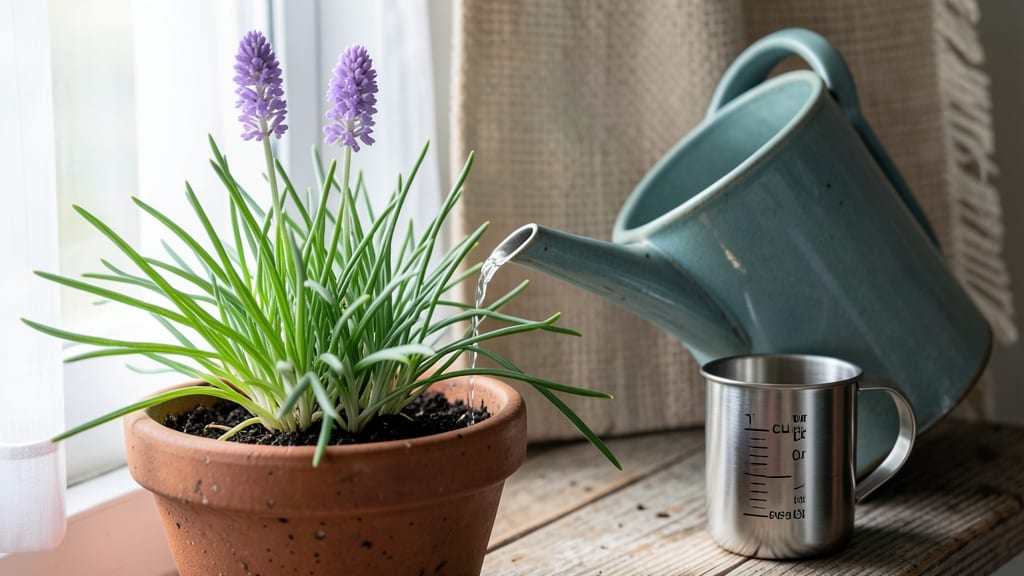
How much water do chives need to keep them thriving with lush, regrowing leaves all season—no soggy roots or crispy stalks in sight?
Struggling to keep your chives thriving? Overwatering or underwatering can turn your vibrant green clumps into sad, brown stalks—fast. The key is consistent moisture without drowning them, and it’s easier than you think once you know the tricks.
Chives in USDA Zone 6a need about 1 cup of water every 3-5 days in spring and fall, but summer heat can double that demand. Container-grown chives dry out quicker, while in-ground plants hold moisture longer—so check the soil before watering.
Below, I’ll show you how to read your chives’ moisture signals, adjust for rain or drought, and keep them perky from May through October—no guesswork, just green success.
Chives watering schedule: how much and when for healthy growth
Chives are surprisingly low-maintenance herbs, but their watering needs can make or break your harvest. Unlike drought-tolerant herbs like rosemary, chives prefer consistent moisture in the top 1-2 inches of soil. Too little water leads to limp, yellowing leaves, while too much causes root rot and mold.
The key? A predictable schedule that adapts to your climate, soil type, and whether your chives live in pots or garden beds.
I’ve grown chives in containers, raised beds, and in-ground plots across different zones (from 5b to 8a), and the biggest mistake I see is guessing rather than checking soil moisture. Chives thrive when their roots stay evenly damp but never soggy.
Below, I’ll break down exactly how much water chives need—plus how to adjust for seasonal shifts, soil types, and container vs. in-ground growing—so you can keep your chives lush and productive all season.
| Factor | In-Ground Chives | Container Chives | Climate Adjustments |
|---|---|---|---|
| Water Frequency | Every 5-7 days (spring/fall), 3-5 days (summer) | Every 2-3 days (summer), 4-5 days (spring/fall) | Hot/dry zones: daily shallow watering; humid zones: every 7-10 days |
| Amount per Watering | 1 inch (2.5 cm) of water | ½ cup (120ml) for 6" pots, 1 cup (250ml) for 12" pots | Sandy soil: double the amount; clay soil: reduce by 30% |
| Best Time to Water | Morning (6-9 AM) for deep absorption | Morning or evening (avoid midday heat) | Avoid evening watering in humid climates (fungus risk) |
| Soil Moisture Check | Insert finger 1-2 inches deep; water if dry | Check top ½ inch of soil; water if dry | Use a moisture meter in extreme heat or drought |
| Drought Recovery | Water deeply every 2 days for 2 weeks; trim dead leaves | Soak container until water drains; repot if roots are circling | Mulch with straw or compost to retain moisture |
For in-ground chives, aim to water deeply once a week during spring and fall, increasing to every 3-5 days in summer when temperatures rise above 80°F. I test soil moisture by sticking my finger 1-2 inches deep—if it feels dry, it’s time to water.
In clay soil, which holds moisture longer, you may only need water every 7-10 days, while sandy soil drains quickly, requiring more frequent watering.
Container-grown chives dry out faster than in-ground plants because pots lack the moisture-retaining benefits of surrounding soil. I water my 6-inch pots every 2-3 days in summer and 4-5 days in cooler months.
If the top ½ inch of soil feels dry, it’s time to water. Pro tip: Use terracotta pots in hot climates—they wick away excess moisture and prevent root rot.
Climate plays a huge role in your watering schedule. In arid zones (USDA 5-7), I water chives daily in peak summer but only in the early morning to reduce evaporation. In humid zones (USDA 8-10), I stretch watering to every
Signs of overwatering vs. underwatering chives (and how to fix it)
Your chives might look like they’re thriving, but subtle clues like yellowing leaf tips or mushy stems reveal hidden watering problems. Chives need moderate moisture—not soggy soil or bone-dry dirt. Let’s decode the signs and fix them before your plants decline.
First, check the soil moisture by sticking your finger 1 inch deep. If it’s damp, hold off on watering. If it’s dry, your chives are thirsty. The key is balance—chives hate soggy roots but also struggle with drought stress. Let’s tackle the most common issues.
Overwatering vs. Underwatering Chives
- Yellow leaves (especially lower ones)
- Mushy stems or wilting
- Fungal growth (white mold or rust spots)
- Slow growth despite frequent watering
- Crispy leaf edges or browning
- Dry, brittle stems
- Wilted foliage that doesn’t bounce back
- Slow regrowth after harvest
If your chives show yellowing leaves with mushy stems, overwatering is likely. Stop watering immediately and let the soil dry out. For container-grown chives, check drainage holes—clogged holes trap excess water. Repot if needed with fresh, well-draining potting mix.
For underwatered chives, water deeply until moisture seeps out the drainage holes. Focus on the root zone rather than sprinkling leaves. Mulch with straw or shredded leaves to lock in moisture. Chives recover quickly from drought, but consistent moisture prevents stress.
Prevent future issues by adjusting your watering schedule based on weather. In hot summers, water every 2-3 days, while winter months may only need watering every 7-10 days. Always water in the morning to reduce fungal risks.
Watch for new growth as a sign of recovery. Healthy chives should regrow within 2-3 weeks after fixing watering mistakes. If problems persist, test your soil’s drainage—amending with compost or sand can make a big difference.
With the right balance, your chives will reward you with vibrant purple flowers and flavorful leaves all season long. Keep an eye on those leaf tips and soil moisture—your chives will thank you!