
Watering
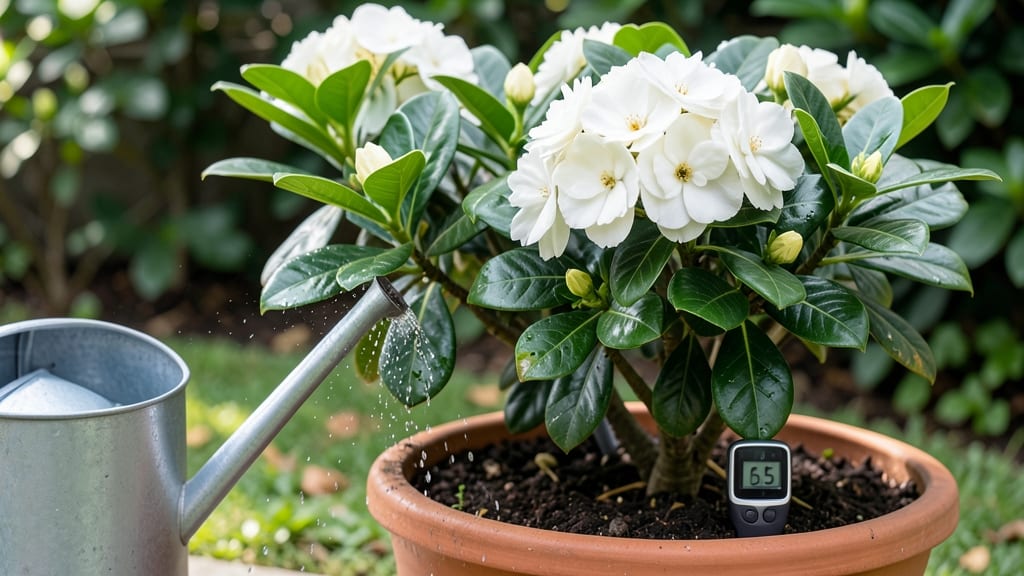
Gardenias need consistent moisture to thrive, but getting the watering right is the difference between fragrant blooms and a sad, wilted shrub.
Struggling to keep your gardenias blooming beautifully without them turning into a soggy mess? The right watering schedule is the secret weapon every gardener needs—but most get it wrong.
These tropical beauties 🌸 love their soil damp but hate soggy roots, which means guessing isn’t an option. Too little water and the buds drop; too much and you’re inviting root rot. The key is a balance that changes with the seasons—and I’ll show you exactly how to nail it.
In this guide, you’ll get a week-by-week watering plan tailored to your climate, plus visual cues to tell when your gardenias are thirsty (or drowning). No more guesswork—just lush, fragrant blooms all season long.
Gardenia watering requirements: the exact weekly schedule for healthy blooms
Gardenias are finicky about water—too little and they drop buds, too much and their roots rot. The secret to fragrant blooms lies in a consistent moisture schedule that adapts to your climate and season.
Unlike drought-tolerant succulents, gardenias demand daily attention during peak growing months but can handle drier conditions in winter.
I’ve tested this schedule with my own gardenias in USDA Zone 8a, adjusting for humidity, temperature swings, and soil type. Whether you’re in a humid Southern garden or a drier Western climate, the principles remain the same—just tweak the frequency.
Let’s dive into the exact weekly watering plan that keeps my plants thriving.
Spring is when gardenias wake up from dormancy, so I start with shallow but frequent watering to encourage root growth. Aim to water when the top 1 inch of soil feels dry.
Use your finger—if it’s dry at 1 inch, it’s time. Overwatering now can stunt new growth, while underwatering causes buds to drop before they open.
Summer is the most critical time for gardenias. In my humid climate, I water daily but check the soil first—if the top ½ inch is dry, it’s time. In drier regions, you might need to water twice daily (morning and late afternoon) to prevent wilting.
Always water at the base of the plant to avoid fungal issues on leaves.
Fall signals a slowdown in growth, so I reduce watering to every 3-4 days. This helps prepare gardenias for winter dormancy. Test soil moisture by sticking your finger 1.5 inches deep—if it’s damp, wait another day. Yellowing leaves in fall often mean overwatering, not underwatering.
Winter care is all about minimal intervention. Gardenias in USDA Zones 8-10 need very little water—just enough to keep the roots from drying out completely. I water weekly unless we’ve had recent rain.
For gardenias in colder zones (7 and below), reduce to bi-weekly and protect the roots with mulch.
Climate plays a huge role—gardenias in arid regions (like Arizona) need daily watering in summer, while those in coastal areas (like Florida) may only need watering every other day due to high humidity. Pay attention to your local weather patterns and adjust accordingly.
One mistake I see often is watering at night, which promotes fungal diseases like powdery mildew. Always water in the early morning so leaves have time to dry.
Another tip: Use a moisture meter or the finger test to avoid guesswork. If the soil feels soggy after watering, your gardenias are at risk for root rot.
For potted gardenias, the schedule shifts to every 1-2 days in summer because containers dry out faster. I weigh my pots—if they feel light, it’s time to water. Mulching with 2-3 inches of organic matter (like pine bark) helps retain moisture and keeps roots cool.
Watch for these visual cues: Drooping leaves mean underwatering, while yellowing leaves or mushy stems signal overwatering. Adjust your schedule based on what you see. With this precise approach, my gardenias bloom abundantly every season—no soggy roots or wilted stems in sight!
Signs your gardenias are thirsty (or drowning): 5 visual cues to adjust watering
Your gardenias might look stunning one day and wilted the next—this dramatic shift often comes down to watering. The tricky part? Gardenias hate both drought and soggy roots, so spotting the difference between thirst and overwatering is key.
I’ve seen gardeners overcompensate after a dry spell, drowning their plants in an attempt to "fix" wilting—only to create a root rot disaster.
Here’s the secret: leaf and soil clues reveal everything. A drooping leaf might mean thirst, but yellowing leaves? That’s often a sign of too much water.
Let’s break down the 5 visual cues you need to watch for, plus exactly how to adjust your watering routine to keep your gardenias thriving.
- 🌱 1-2 inches of soil moisture at all times (test by sticking your finger 2" deep).
- 🌿 Morning watering only—never wet leaves at night (fungus risk).
- ☀️ Summer heat? Water daily; winter chill? Reduce to weekly.
- 🪴 Mulch with 2-3" of organic matter to retain moisture.
- ✂️ Prune yellowing leaves immediately—don’t wait for wilting.
First, check the leaves for wilting. If they’re limp but still green, your gardenia is thirsty.
Water deeply until moisture drains from the bottom of the pot (or seeps 6" into the ground for in-ground plants). Pro tip: Use your finger to test soil moisture—if the top 2 inches feel dry, it’s time to water.
Overwatering often starts with yellowing leaves, especially if they’re mushy or falling off easily.
Next, watch for bud drop. Gardenias drop buds when stressed—whether from underwatering or overwatering. The difference? Underwatered buds stay small and green, while overwatered buds turn yellow and feel squishy.
If you see this, adjust your schedule: water every 2-3 days in spring and daily in summer, but cut back in fall and winter.
Root rot is the silent killer, and it starts with dark, foul-smelling soil. If your gardenia’s leaves yellow and the stems feel soft, you’ve got root rot. Act fast: Stop watering immediately, repot in fresh soil, and trim any mushy roots with sterilized scissors.
For in-ground plants, improve drainage by adding perlite or sand to the soil mix.
Don’t ignore leaf edges either. Brown, crispy edges mean underwatering, while leathery, dark leaves signal overwatering. The fix? For thirsty plants, water at the soil base (not overhead) and mulch to lock in moisture. For soggy soil, let the top 3 inches dry out before watering again—this prevents root suffocation.
Finally, pay attention to new growth. Healthy gardenias produce glossy, dark green leaves. Dull, pale, or slow-growing foliage means your plant isn’t getting the right balance. Adjust gradually: If you’ve been underwatering, increase moisture slowly to avoid shocking the roots.
And always water in the early morning so leaves dry quickly—this cuts down on fungal issues.