
Plants
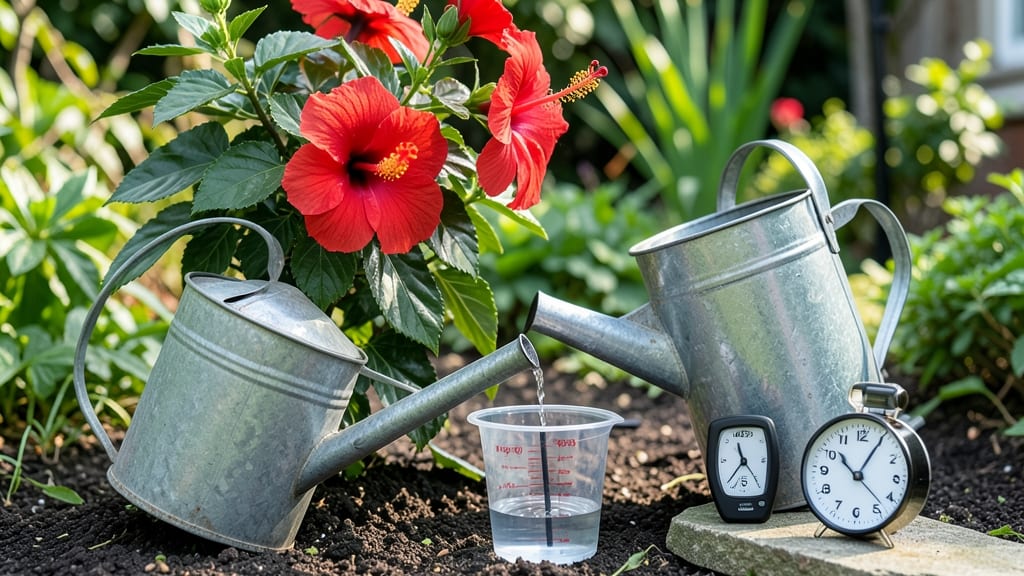
Hibiscus plants need consistent moisture—about 1-2 gallons of water every 2-3 days—to thrive, especially in USDA Zone 6 where summers can be brutal.
Struggling to keep your hibiscus blooming? The secret isn’t just sunlight—it’s mastering the exact watering schedule these tropical beauties crave. Overwater? Goodbye roots. Underwater? Goodbye flowers. Let’s fix that with science-backed timing.
Too much water drowns the roots, turning leaves yellow and inviting root rot, while too little causes buds to drop and leaves to wilt. The key is deep, infrequent watering—soaking the soil until water drains out the bottom, then waiting until the top 1-2 inches feel dry before repeating.
In this guide, I’ll break down the weekly watering schedule for each season, how to read your plant’s thirst cues, and the tools (like mulch or drip irrigation) that make it effortless. No more guesswork—just lush, blooming hibiscus all season long.
Hibiscus watering schedule by season: weekly deep dive
Hibiscus plants thrive when their watering routine mirrors their natural tropical habitat—but that doesn’t mean drowning them daily. The key is seasonal adjustments based on temperature, humidity, and soil conditions.
In my Zone 6 garden, I’ve learned that overwatering in winter can rot roots just as fast as underwatering in summer can kill blooms. Let’s break down the exact schedule your hibiscus needs to stay lush and flowering.
Most gardeners make one of two mistakes: either they water too lightly (just wetting the top inch of soil) or they soak sporadically without checking moisture levels. Hibiscus roots need deep hydration—think of it like giving them a long drink instead of frequent sips.
For container-grown hibiscus, this means 1-2 gallons per watering, while in-ground plants benefit from soaking the soil 12-18 inches deep. The goal? Moist but not soggy soil at all times.
🌸 Seasonal watering isn’t just about frequency—it’s about depth and timing. Morning watering (before 10 AM) prevents fungal diseases, while evening water can leave leaves damp overnight. I’ve seen hibiscus in my garden double their bloom count simply by adjusting their watering routine to match the season. Let’s dive into the weekly breakdown that’ll keep your hibiscus thriving.
Spring is when hibiscus wake up from dormancy, and their water needs ramp up quickly.
Start with every 2-3 days in early spring, then increase to daily watering by June if temperatures exceed 85°F. I test soil moisture by sticking my finger 2 inches deep—if it’s dry, it’s time to water. Yellowing leaves often signal overwatering, while crispy edges mean underwatering.
The trick? Adjust based on rainfall: skip watering if you’ve had 1 inch of rain in 24 hours.
Summer demands the most attention—this is when hibiscus drink the most. Container hibiscus may need daily watering during heatwaves, while in-ground plants can handle every other day if mulched properly. Mulch with 2-3 inches of pine bark to retain moisture and prevent soil from drying out.
Watch for leaf wilting by midday: this is your plant’s SOS signal. A quick soak at the base usually revives them within hours, but if leaves stay wilted even after watering, it might be root stress from heat.
Fall slows things down as temperatures drop. Reduce watering to every 3-4 days and cut back on fertilizer. This helps hibiscus prepare for dormancy without shocking their roots. Brown leaf tips in fall are normal—they’re shedding old growth—but if you see blackened stems, you’re overwatering.
At this stage, focus on deep watering rather than frequent shallow drinks to encourage root strengthening.
Winter is hibiscus’ dormant season, and most varieties need minimal watering. Only water when the soil is completely dry 3-4 inches down, typically every 2 weeks. Overwatering now can lead to root rot in cold soil, which is nearly impossible to reverse.
I’ve seen hibiscus survive winters with no water at all if protected by mulch, but a light drink every few weeks prevents dehydration stress.
Pro tip: Use a moisture meter for accuracy—hibiscus hate guesswork. If you’re unsure, underwater slightly rather than overwater. The roots of a thirsty hibiscus will seek out moisture, while soggy soil suffocates them. Adjust your schedule weekly based on weather: heatwaves mean more water, while cloudy days mean less.
Your hibiscus will thank you with bold blooms and lush foliage all season long.
Remember, hibiscus are tropical plants at heart, so they crave consistency. Stick to this seasonal schedule, and you’ll avoid the most common mistakes that kill hibiscus—root rot from winter overwatering and bloom failure from summer drought stress.
With this routine, your hibiscus will reward you with vibrant flowers from spring to fall—and that’s a gardener’s dream. 🌸
Signs your hibiscus is thirsty (or drowning) + fixes
Your hibiscus might look stunning with its vibrant blooms, but behind that beauty hides a delicate watering balance. Too little water, and the leaves will curl like parchment.
Too much, and you’ll watch your plant rot from the roots up. The key? Learning to read your hibiscus’s water stress signals before it’s too late.
Start by checking the soil moisture—stick your finger 2 inches deep. If it feels dry, your plant is thirsty. If it’s soggy, you’ve overdone it. But what if you’re not sure? Leaf color and stem condition are your next clues. Let’s decode them together.
Hibiscus plants need 1-2 gallons of water every 2-3 days in summer, but never let soil stay soggy. In containers, water daily in heat—potted hibiscus dry out 3x faster than in-ground plants. Morning watering prevents fungal diseases, while evening water risks root rot.
Yellowing leaves with brown edges scream overwatering. This happens when roots suffocate in wet soil, cutting off oxygen. Check for mushy stems or a foul smell at the base—these are red flags.
Stop watering immediately and let the top 2 inches of soil dry before touching the plant again. If the roots look black or mushy, trim the damaged parts and repot in fresh, well-draining mix.
On the flip side, crispy, curling leaves mean your hibiscus is parched. The edges turn brown and brittle, and new growth stops abruptly. At this stage, the plant is conserving water, but it’s also stressing out.
Give it a deep drink—water until it runs out the drainage holes—and mulch around the base to lock in moisture. For potted hibiscus, soak the pot in water for 10 minutes to ensure full saturation.
Don’t ignore drooping stems either—this is your hibiscus’s way of saying, “Help, I’m thirsty!”. But here’s the catch: if the stems don’t bounce back after watering, it could be root rot or bacterial wilt.
Gently tug on the plant—if it pulls out easily, the roots are already compromised. In this case, prune back dead growth and treat with a fungicide to prevent spread.
For a quick-fix guide, follow this:
- Check soil moisture,
- Inspect leaves/stems,
- Adjust watering. Morning watering + well-draining soil = happy hibiscus. And remember, hibiscus hate soggy feet—always prioritize drainage over frequent watering.