
Plants
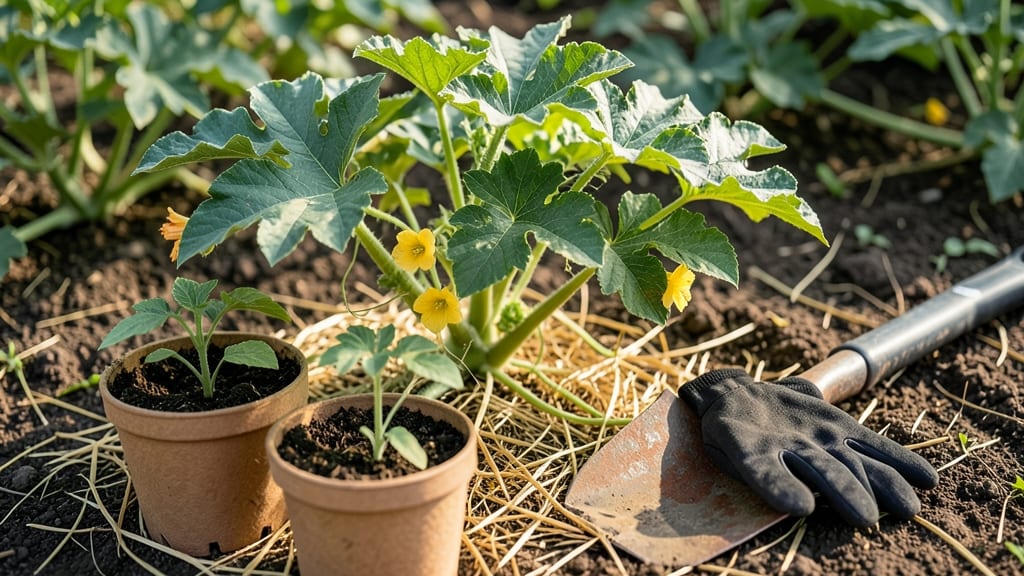
Planting watermelon in Colorado means waiting until after your last frost — ideally between mid-April and early June — when soil temperatures hit 70°F+ to ensure strong germination and growth.
Colorado’s short growing season and unpredictable spring weather can make watermelon planting a gamble—but timing is everything for sweet, ripe fruit. Get it wrong, and you risk late frosts or drought stress that stunts your vines before they even start.
Here’s the game-changer: the right planting window, soil prep, and early care can turn Colorado’s climate into your watermelon’s best friend.
We’ll cover zone-specific dates, soil temperature tricks, and the top 3 varieties that thrive in Zones 5-7—plus how to protect young plants from the Front Range’s infamous late frosts.
Ready to grow juicy, vine-ripened watermelons? Let’s dive into the exact schedule and tips that’ll have you harvesting 🍉 from July to September—no matter where you garden in the state.
Best planting dates for watermelon in Colorado by hardiness Zone
Colorado’s diverse climate zones (4-7) create unique challenges for growing watermelons. In Zone 4, late frosts linger until May 15, while Zone 7 areas like the Western Slope may see earlier last frosts by April 15.
The key to success? Planting when soil temperatures consistently reach 70°F or higher—this ensures germination and prevents frost damage to tender seedlings.
Watermelons are heat-loving plants that thrive with 120-180 frost-free days. In Colorado, this typically means planting between mid-May and early June in most regions. However, early varieties can be sown indoors 4-6 weeks before the last frost date, then transplanted outside after Memorial Day for a head start.
Late planting after June 15 risks smaller fruits before the first frost in October.
Soil temperature is more critical than air temperature for watermelon success. Use a soil thermometer to confirm 70°F+ readings at 2-inch depth. In Zone 5 (Front Range), this often aligns with late May, while Zone 6-7 (Western Slope) may achieve it by mid-May. Black plastic mulch can warm soil faster by 5-10°F, giving you a 2-week earlier planting window in cooler areas.
| Zone | Last Frost Date | Optimal Planting Window | Soil Temp Requirement | First Frost Risk |
|---|---|---|---|---|
| 4 (Northwest CO) | May 15–25 | Late May–early June | 70°F+ (use black plastic mulch) | High (Oct 1–15) |
| 5 (Front Range) | May 1–10 | Mid-May–June 1 | 70°F+ (wait for consistency) | Moderate (Oct 10–20) |
| 6 (Eastern Plains) | April 15–May 1 | Late April–May 15 | 70°F+ (earlier with mulch) | Low (Oct 20–30) |
| 7 (Western Slope) | April 1–15 | Mid-April–May 10 | 70°F+ (earliest zone) | Very Low (Nov 1–15) |
*Adjust dates 1–2 weeks earlier in sheltered microclimates (e.g., urban heat islands) or later in high-altitude valleys.
If you’re tempted to plant earlier than recommended, consider using row covers or cold frames to protect seedlings from late frosts. However, overly early planting can lead to stunted growth or bolting (premature flowering) if days are still cool.
For Zone 4-5, I recommend starting seeds indoors by April 15 and transplanting after May 15 when soil is warm.
For late planting, focus on fast-maturing varieties (e.g., ‘Sugar Baby’, 60-70 days to harvest). Plant by June 15 in Zone 5-6 and July 1 in Zone 7 for a small but sweet harvest before frost.
Just be prepared for smaller fruits—watermelons need 60-90 days of warm weather to reach full size.
Colorado’s altitude variations also play a role. Gardens in Denver (Zone 5) may experience 10°F cooler nights than those in Grand Junction (Zone 7). To compensate, choose shorter-season varieties or extend the season with seasonal extension tools
How to extend Colorado’s growing season for watermelons
Colorado’s cool nights and late frosts can derail watermelon dreams before they even begin. But with the right season-extending strategies, you can coax these heat-lovers to thrive in zones 4-7. The key? Protecting tender seedlings while warming the soil—without sacrificing the 90+ days watermelons need to mature.
Young watermelon plants wilt at 50°F soil temps and bolt (flower prematurely) if stressed. That’s why I rely on a 3-step shield: soil warming, physical protection, and strategic transplanting. These methods let me push planting dates 2-3 weeks earlier in cooler zones without risking frost damage or stunted growth.
Pros & Cons: Colorado Watermelon Season Extenders
- ✅ Warms soil 10-15°F faster than bare ground
- ✅ Suppresses weeds
- ✅ Retains moisture
- ❌ Requires clear plastic (not biodegradable)
- ❌ Needs removal before harvest
- ❌ Can overheat soil in Zone 7+
- ✅ Protects from light frosts (down to 28°F)
- ✅ Extends season 3-4 weeks both sides
- ✅ Allows pollination (use breathable fabric)
- ❌ Reduces sunlight 10-20% (use floating row covers)
- ❌ Requires sturdy stakes for wind
- ❌ Must remove before flowering for bees
- ✅ Creates microclimate 5-10°F warmer
- ✅ Works in Zone 4 for early starts
- ✅ Reusable for fall harvests
- ❌ Expensive initial setup ($50-$150)
- ❌ Limited to small batches (2-4 plants)
- ❌ Requires daily monitoring for overheating
- ✅ Gives 2-3 week head start indoors
- ✅ Avoids direct sowing risks in cold soil
- ✅ Works for short-season varieties
- ❌ Transplant shock risk if not hardened off
- ❌ Needs warm soil at planting (70°F+)
- ❌ Limited to small seedlings (not mature plants)
My go-to method is black plastic mulch combined with row covers for the first 3 weeks. I lay down the plastic 2 weeks before planting to warm the soil, then cover seedlings with floating row fabric until nighttime temps stay above 55°F.
For Zone 4 gardens, I add a mini greenhouse (clear plastic dome) over the mulch to trap extra heat.
Transplanting is my secret weapon for late-May starts. I sow seeds indoors under grow lights when soil temps hit 60°F, then harden them off for 7 days before moving to the garden.
The key? Planting into pre-warmed hills (mound soil with compost) ensures roots establish quickly in 70°F+ soil.
Watch for bolting—when plants flower too early due to stress. If you see yellowing leaves or premature blossoms, remove the row cover immediately and water deeply.
I’ve lost 3 harvests to bolting in Zone 5, but now I monitor daylength (watermelons need 14+ hours of light to set fruit).
For late-season protection, I use low tunnels made from PVC pipes and row covers to shield vines from early October frosts. This buys me 2-3 extra weeks of harvest time—enough to ripen ‘Sugar Baby’ varieties that mature in 75 days.
Pro tip: Pair these methods with dwarf varieties like ‘Tiny Tim’ (55 days) for Zone 4 gardensthermometer