
How To
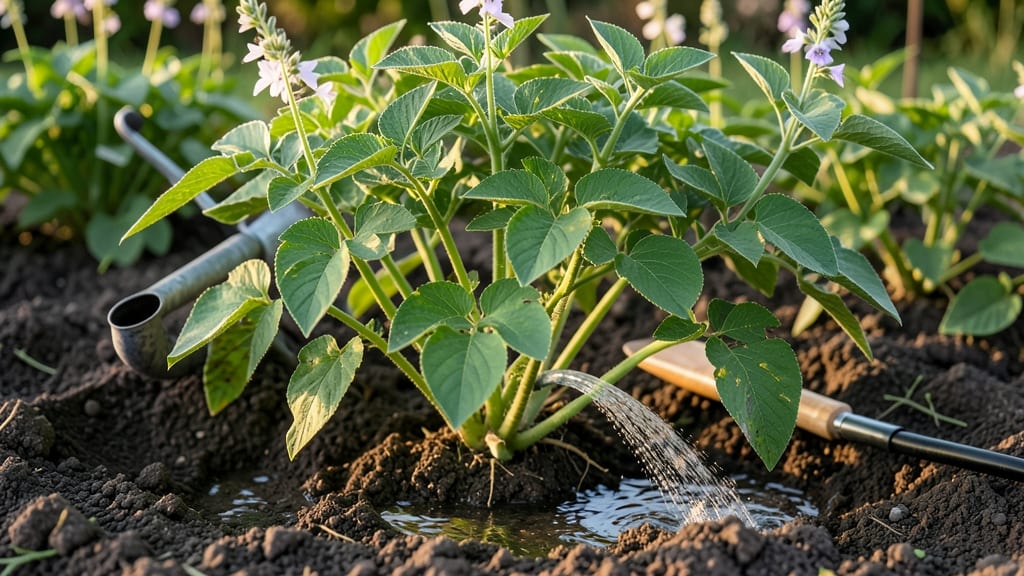
Potatoes need about 1 to 2 inches of water per week to grow strong tubers without rotting — but timing and technique matter just as much as the amount.
Struggling to grow potatoes that are too small or prone to rot? The secret lies in mastering the delicate balance of water — too much drowns them, too little stunts growth. Here’s how to get it right every time.
Most gardeners overwater by accident, thinking more moisture means bigger yields. In reality, potatoes thrive with consistent, deep watering that keeps the soil evenly damp but never soggy. The key is checking soil moisture before watering — and knowing when to adjust for heatwaves or rainy spells.
In this guide, I’ll show you the exact soil test to use, how often to water at each growth stage, and how mulch can cut your watering time in half.
By the end, you’ll know exactly when to water your 🥔 for maximum harvests without a single tuber lost to rot.
The perfect watering schedule for potatoes by growth stage
Potatoes need consistent moisture to grow large, disease-free tubers, but getting the balance right can feel like walking a tightrope. Overwatering causes rot, while underwatering leads to small, tough potatoes.
The key is adjusting your watering schedule based on the plant’s growth stage and your local climate. Let’s break it down so you can water with confidence.
From sprouting to tuber formation, potatoes have different needs. Early on, they need just enough moisture to encourage root growth, while later stages demand deeper, more frequent watering to support those expanding tubers. Arid climates require daily checks, while humid regions might need less frequent watering.
Mulching can also help retain moisture and keep soil temperatures stable.
🌱 Pro Tip: Always water in the morning to reduce fungal risks and let foliage dry before nightfall.
During the sprouting stage (weeks 0-4), focus on keeping the soil evenly moist but not soggy. This encourages strong root development without inviting rot.
Use a soil moisture meter or the finger test—stick your finger 1-2 inches deep; if it feels dry, it’s time to water. Overwatering now can drown delicate sprouts.
When tuber formation kicks in (weeks 4-8), increase watering to every 2-3 days.
This is when those edible potatoes start swelling underground, and they need consistent moisture to grow large. Deep watering (2-3 inches) ensures roots reach deeper for nutrients. Mulch heavily with straw or grass clippings to lock in moisture and keep soil cool.
At the bulking stage (weeks 8-12), potatoes are growing rapidly, and their water needs peak. In hot, dry climates, you may need to water daily to prevent the soil from drying out. Morning watering is critical here—it gives plants time to absorb moisture before the heat of the day.
Avoid wetting the foliage to minimize disease risks like blight.
As harvest approaches (week 12+), reduce watering to every 5-7 days. This helps toughen the tuber skins, making them less prone to bruising when harvested. Stop watering 2 weeks before digging to let the soil dry slightly, which prevents mud from clinging to your potatoes.
For container-grown potatoes, water even more frequently—every 2-3 days—since pots dry out faster. Use self-watering containers or place them on saucers to catch excess water. Drip irrigation is ideal for both in-ground and potted potatoes, as it delivers water directly to the roots without wetting leaves.
Watch for visual cues like wilting leaves or yellowing foliage, which signal underwatering or overwatering. Adjust your schedule based on rainfall, temperature swings, and soil type. Sandy soil drains faster, while clay holds moisture longer—so tailor your approach to your garden’s unique conditions.
With this stage-by-stage guide, you’ll grow plump, disease-resistant potatoes every season. The secret? Consistency and attention to detail—your tubers will thank you! 🥔
How to perform the soil dry test for potatoes (avoid over/under-watering)
Mastering the soil dry test for potatoes is the key to avoiding those dreaded mushy tubers or stunted growth. Unlike many plants, potatoes thrive on consistent moisture without becoming waterlogged. The trick?
Checking soil moisture at the right depth and frequency. I’ve found that most gardeners either overwater (causing rot) or underwater (leading to small, tough potatoes). Let’s fix that with a foolproof method.
Start by understanding that potatoes need 1-2 inches of water per week, but the real secret is monitoring the soil—not just the weather forecast. A simple finger test or moisture meter can save your harvest.
I’ll walk you through both methods, so you’ll never guess again whether your potatoes are thirsty or drowning. The goal? Soil that’s moist but not soggy—like a well-wrung sponge.
-
Step 1: Choose the Right Time
Test soil in the morning (after evening watering has soaked in) or late afternoon (before sunset). Avoid testing after rain or irrigation. -
Step 2: Insert Your Finger
Push your index finger 2-3 inches deep into the soil near the plant’s base (but not touching the stem). This mimics the tuber formation zone. -
Step 3: Check Moisture Level
Dry: Soil clings slightly to your finger but feels crumbly (water now).
Ideal: Soil sticks lightly and feels cool (wait 2-3 days before watering).
Too Wet: Soil feels cold and squishy (stop watering for 3-4 days). -
Step 4: Use a Moisture Meter (Optional)
For precision, use a digital moisture meter (insert probe 2-3 inches deep). Aim for a reading between 40-60% moisture—any higher risks rot. -
Step 5: Adjust for Climate
Hot/Dry: Test daily; water if soil is dry at 2 inches.
Cool/Humid: Test every 3 days; reduce watering by 30%. -
Step 6: Mulch for Stability
Apply 2-3 inches of straw or grass clippings to retain moisture and regulate temperature. Replenish every 4-6 weeks.
Pro tip: If you’re using containers, check moisture daily—they dry out faster. I’ve seen potted potatoes rot within days if overwatered, even in cool weather. Always let the top 1 inch of soil dry slightly between waterings to prevent fungal diseases like blight.
Visual cues matter too. Healthy potato plants have deep green leaves and vibrant stems. If leaves yellow or wilt, it’s a sign of overwatering or underwatering.
I once lost a batch because I ignored the wilting—turns out, the soil was bone dry despite recent rain. Always trust your finger test over assumptions.
Remember, potatoes are underground survivors, but they still need your help to thrive. By mastering this test, you’ll grow larger, firmer tubers with fewer diseases. Start today, and next season’s harvest will thank you! 🌱