
Plants
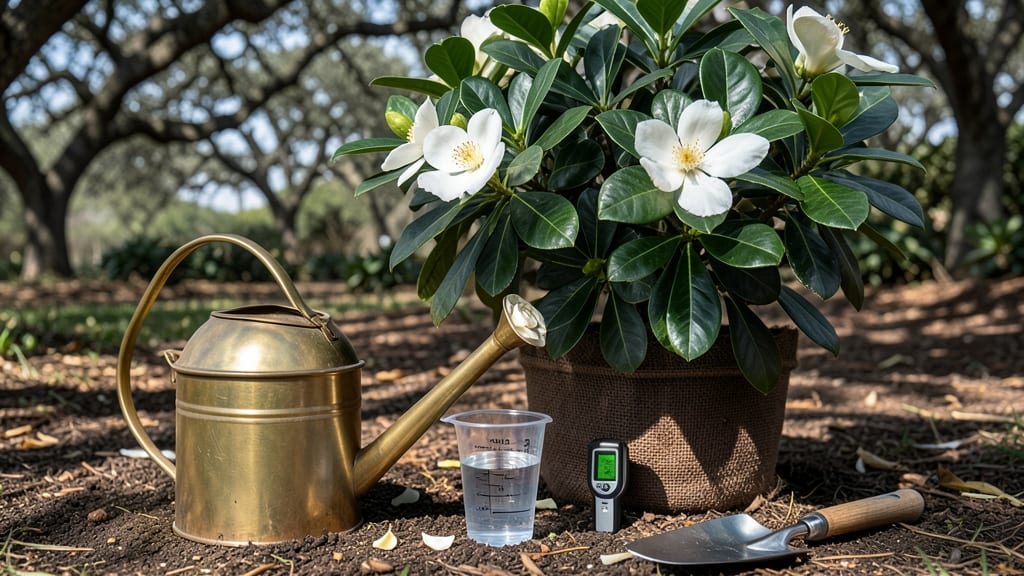
A gardenia plant needs about 1 to 1.5 inches of water per week during its active growing season to keep its leaves glossy and blooms vibrant.
But here’s the catch: too much water drowns the roots, while too little makes the leaves crisp at the edges. I’ve watched gardenias 🌸 wilt dramatically after just one skipped watering session, only to bounce back once I adjusted the schedule.
This guide breaks down the exact watering routine—when to soak, how deep to go, and how seasonal changes (like summer heat or winter chill) shift your watering game.
You’ll also learn how to spot the subtle signs of overwatering (yellow leaves, mushy stems) versus underwatering (drooping, dry soil), so you can fix problems before they become permanent.
Optimal watering schedule for gardenias: deep soak frequency by season
Mastering the watering schedule for gardenias is the key to those glossy leaves and fragrant blooms you love. Unlike drought-tolerant plants, gardenias demand consistent moisture—but they despise soggy roots.
The trick? A deep soak that hydrates the root zone without drowning it. Let’s break down exactly how often to water by season, so your gardenia thrives year-round.
Gardenias thrive in humid environments, but their water needs shift dramatically with temperature and rainfall. In summer, high heat and low humidity mean you’ll water daily or every other day, while winter’s chill slows evaporation, cutting watering to once a week.
The goal? Keep the top 2-3 inches of soil lightly moist—not bone-dry, not waterlogged.
Before we dive into seasonal schedules, here’s the golden rule: Always water in the morning (before 10 AM) to prevent fungal diseases like powdery mildew. Avoid evening watering, which leaves foliage damp overnight. Now, let’s get into the specifics with this seasonal watering guide tailored to your gardenia’s needs.
In spring, your gardenia wakes up from dormancy, so water every 2 days to encourage new growth. Check soil moisture by sticking your finger 2 inches deep—if it’s dry, it’s time to water.
Spring rain can complicate things, so always skip watering if you’ve had 1 inch of rain in the past 24 hours.
Summer is the most critical time for gardenia care. With temperatures soaring and humidity dropping, you may need to water daily, especially in containers. Mature in-ground gardenias might handle every other day, but monitor closely.
Look for wilting leaves or crispy edges—these are red flags for underwatering. Mulch heavily to retain moisture and reduce evaporation.
As fall arrives, your gardenia’s water needs decrease gradually. Aim for every 3-4 days, letting the soil dry slightly between waterings. This slower pace helps harden the plant for winter dormancy.
If your gardenia is in a shady spot, you can stretch watering to 5 days—less light means slower evaporation.
Winter is all about minimal watering. Cut back to once a week and only if the top 3 inches of soil feel dry. Overwatering in winter can lead to root rot, especially in cool, wet climates.
If your gardenia is outdoors in a protected microclimate (like near a south-facing wall), you might water slightly more—but never let the soil stay soggy.
One common mistake is assuming all gardenias have the same needs. Potted gardenias dry out 2-3x faster than in-ground plants, so check their soil daily in summer.
Use your finger or a moisture meter—if the top 1 inch is dry, water thoroughly. For in-ground plants, 3 inches deep is your target.
Pay attention to your gardenia’s environmental clues. If the air is humid (like in coastal areas), you can water slightly less. In dry climates, increase frequency. Also, morning watering is non-negotiable—it gives leaves time to dry before evening, preventing fungal infections.
If you must water in the evening, do it before 6 PM to minimize risk.
Finally, mulching is your best friend for gardenias. Apply a 3-inch layer of organic mulch (like pine bark or shredded leaves) around the base to lock in moisture and regulate soil temperature. Replenish mulch annually, and <
Signs of overwatering vs underwatering in gardenias (with fixes)
Your gardenia's leaves tell a story—wilting or yellowing can mean overwatering or underwatering. Both extremes stress the plant, but the fixes differ completely. Let’s decode the 5 key symptoms and how to rescue your gardenia before it’s too late.
First, check the soil moisture with your finger. Stick it 2 inches deep—if it’s soggy, you’re overwatering. If dry, it’s time to hydrate. Gardenias hate waterlogged roots, but they also despise drought. The goal? Consistent moisture without saturation.
Overwatering causes yellow leaves with a mushy texture, often starting at the bottom. You might also spot fungal growth like mold or black spots. Underwatering, on the other hand, leads to crispy brown edges and drooping foliage that doesn’t bounce back after watering.
🌸
How Much Water Does a Gardenia Plant Need?
Pros of Proper Watering
- Glossy leaves stay vibrant
- Blooms remain fragrant
- Root rot is prevented
- Healthy growth year-round
Cons of Improper Watering
- Yellow leaves from overwatering
- Drooping from underwatering
- Fungal diseases spread
- Stunted growth or death
For overwatered gardenias, stop watering immediately and let the soil dry out. Repot if needed, using a well-draining mix with perlite or sand. Prune mushy leaves to redirect energy to healthy growth. If fungal growth appears, treat with neem oil or a fungicide.
If your gardenia is underwatered, give it a deep watering until water drains from the bottom. Mulch around the base to retain moisture, and move it to a shadier spot if it’s wilting from heat stress.
Container gardenias may need daily watering in summer, while in-ground plants can go 3-4 days between waterings.
Test your soil’s drainage by filling a pot with water and timing how long it takes to drain. Gardenias thrive when soil drains within 30-60 minutes. Adjust your watering routine based on your local climate—humid areas need less frequent watering than dry, hot regions.
🌿