
Watering
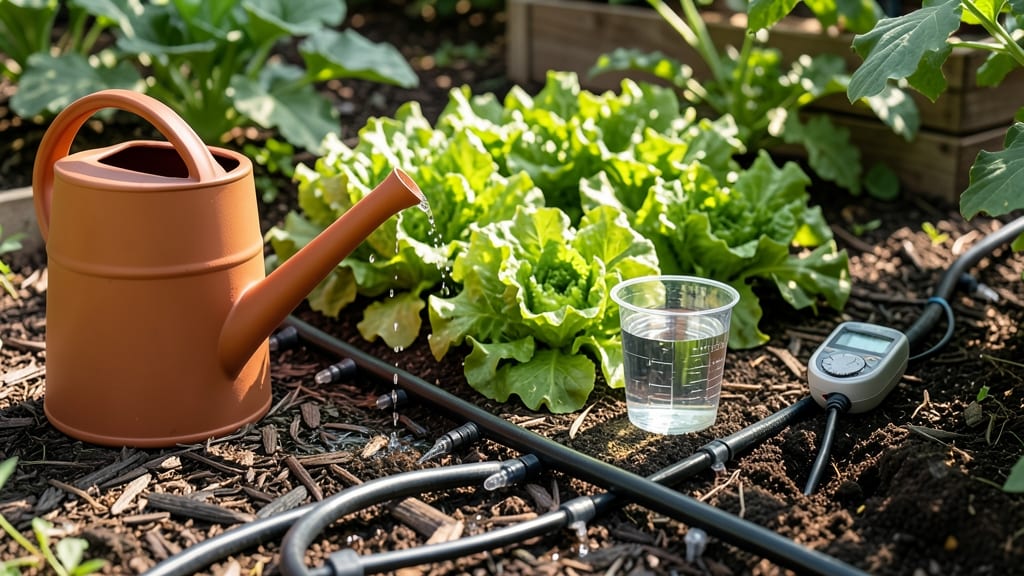
Determining how much watering your plants need starts with checking soil moisture 1-2 inches deep—most garden plants require about 1 inch of water weekly, while succulents thrive on far less and tropical plants need more. Always adjust based on heat, rainfall, or container size to avoid overwatering or drought stress.
How much watering your plants actually need goes beyond just following a generic schedule. 🌱 The truth is, soil type plays a huge role—sandy soil drains quickly and may need daily checks, while clay holds moisture longer and can go weeks between waterings.
Even within the same species, potted plants dry out faster than in-ground ones because their roots can't spread as widely. I've learned to group plants by their needs: herbs like basil need consistent moisture, while cacti can handle weeks without water.
For a practical approach, I recommend using the "finger test" every morning: stick your finger into the soil. If the top 1-2 inches feel dry, it's time to water.
This simple check beats guessing and helps you adjust for seasonal changes—like watering more in summer heat or less during rainy spells. The key is consistency: stick to a schedule but stay flexible based on what your soil and plants are actually telling you.
💡 In This Article
- Soil and Plant Factors Affecting Watering Needs
- Creating a Custom Watering Schedule by Plant Category
Soil and plant factors affecting watering needs
The science behind watering starts with soil composition. Sandy soil drains water at a rate of about 1 inch per hour due to its coarse texture, while clay soil holds moisture like a sponge, releasing it slowly over 10+ hours.
This difference means a plant in sandy soil might need watering every 2-3 days in summer, while the same plant in clay soil could go 5-7 days between waterings.
The root zone's ability to retain moisture directly affects how often you should water—think of it like a water reservoir where some soils have tiny cracks while others have wide-open storage.
Plant biology plays an equally critical role. Succulents like aloe vera store water in their leaves, allowing them to survive on just 1-2 waterings per month, while tropical ferns need consistently moist soil to mimic their rainforest habitat.
Even within the same family, differences emerge: a sun-loving tomato plant may need 1.5 inches of water weekly, whereas a shade-tolerant hosta thrives with just 1 inch.
The key factor is the plant's natural water requirements, which are often tied to its native climate—desert plants need less, while rainforest species demand more.
Environmental conditions create another layer of complexity. High humidity areas like coastal regions reduce evaporation, meaning plants retain moisture longer than in dry climates where water can disappear in 24 hours during peak sun. Wind also accelerates moisture loss—exposed plants may need 30-50% more water than sheltered ones.
I've noticed this firsthand when my potted herbs wilt faster on a windy patio than when tucked under a covered deck. The solution? Monitor leaf turgor (the firmness) and adjust based on microclimates within your garden.
Container size creates its own set of rules. A 6-inch pot dries out in 1-2 days in hot weather, while a 12-inch container may last 5-7 days. The smaller the pot, the faster the roots dry out because they can't explore beyond the container's boundaries.
This is why I always check the soil surface—if it's bone dry, it's time to water, regardless of what your schedule says. The root-to-soil ratio is everything when it comes to container gardening.
Seasonal adjustments are non-negotiable. In winter, many plants enter dormancy and need 50% less water than in summer. The 1-inch weekly rule becomes more like half an inch every 10 days for temperate plants.
Even evergreens, which seem lush year-round, actually slow their growth in cold months and require less frequent watering. The exception? Plants in heated greenhouses or indoor spaces where consistent warmth keeps evaporation rates high year-round.
One often-overlooked factor is mulch. A 2-3 inch layer of organic mulch (like wood chips or straw) can reduce soil moisture loss by 30-50% by blocking evaporation and regulating temperature. This means your watering schedule can stretch further between sessions.
I've seen this in action with my vegetable garden—mulched beds stay moist longer, and I cut watering frequency by nearly 40% during summer heatwaves. The mulch acts like a natural moisture blanket for plant roots.
For precise monitoring, invest in a soil moisture meter—these devices measure the exact moisture level in the root zone, eliminating guesswork. The ideal range for most plants is 40-60% moisture content, while succulents thrive at 20-30%**.
This data-driven approach takes the guesswork out of watering and helps you tailor your schedule to your specific growing conditions. 💧