
Watering
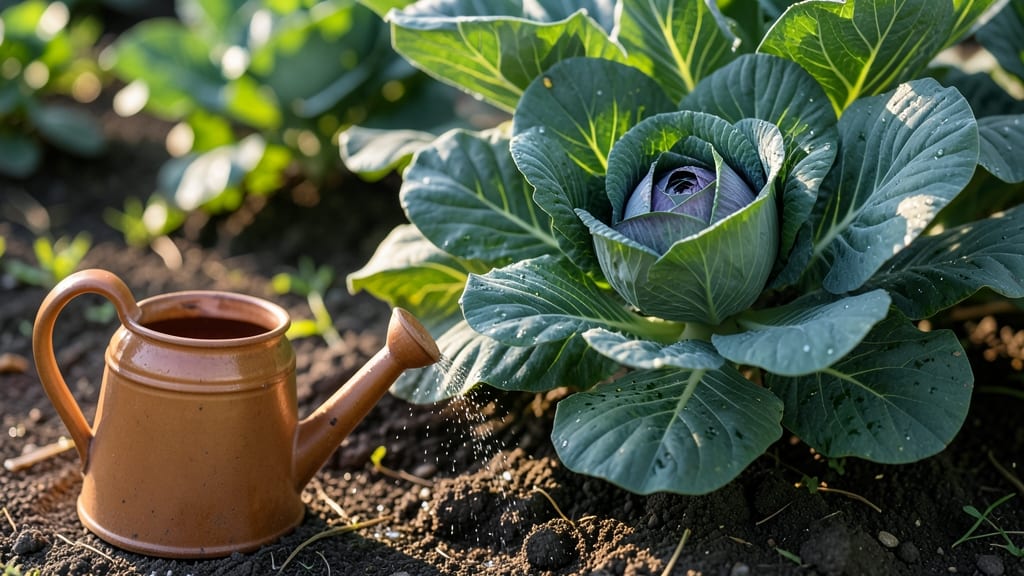
To keep your cabbage thriving, you’ll want to know how much water does cabbage need—aim for 1 to 2 inches per week, as consistent moisture is the secret to those crisp, firm heads you’ll love harvesting.
Picture this: you’ve just planted your 🥬, and the soil feels damp, but by midday, it’s bone-dry. That’s the classic mistake gardeners make—watering too little or too much. Cabbage hates extremes, so knowing exactly when and how much to water makes all the difference.
From seedlings to mature plants, watering needs shift. Too little, and your cabbage bolts or cracks. Too much, and you risk rot or fungal diseases. The key is deep, even watering—especially during hot spells—while keeping the soil moist but not soggy.
In this guide, I’ll break down the weekly watering schedule by growth stage, plus how to spot when your cabbage is thirsty or drowning. By the end, you’ll know exactly how to keep your plants happy from seedling to harvest.
Weekly watering schedule for cabbage by growth stage
Cabbage plants demand consistent moisture to develop those crisp, dense heads we all love. But here's the catch: overwatering causes rot, while underwatering leads to bitter, stunted growth. The key is balancing water based on your cabbage's growth stage, weather conditions, and soil type.
Let's break down exactly how much water your cabbage needs each week, from tiny seedlings to mature harvest-ready heads.
Young seedlings are the most delicate stage—too much water can drown them, while too little stunts their roots. Mature plants, on the other hand, need deep, infrequent watering to encourage strong root systems.
I'll show you how to adjust your watering routine as your cabbage grows, plus how to spot when your plants are thirsty or drowning.
🌱
| Growth Stage | Water Frequency | Amount per Session | Soil Moisture Check | Environmental Adjustments |
|---|---|---|---|---|
| Seedlings (0-3 weeks) | Every 2-3 days | ¼ inch (6mm) | Top ½ inch dry | Use shallow tray, avoid overhead watering |
| Vegetative Growth (3-6 weeks) | Every 3-4 days | ½ inch (12mm) | Top 1 inch dry | Mulch to retain moisture |
| Head Formation (6-10 weeks) | Every 4-5 days | 1 inch (25mm) | Top 2 inches dry | Water deeply at base |
| Mature Plants (10+ weeks) | Every 5-7 days | 1.5 inches (38mm) | Top 3 inches dry | Reduce water 1 week before harvest |
| Heatwave Adjustment | Daily (early morning) | 1-2 inches (25-50mm) | Check soil hourly | Shade cloth + mulch |
| Rainy Season | Hold watering | N/A | Wait for soil to dry 1 inch | Ensure good drainage |
During the seedling stage (weeks 0-3), your cabbage needs light but frequent watering—think of it like a sponge that dries out quickly. I use a spray bottle for seedlings to avoid disturbing the soil, keeping the surface evenly moist but never soggy.
This is when most beginner gardeners make mistakes by letting seedlings dry out or drowning them with too much water.
As your cabbage enters vegetative growth (weeks 3-6), you'll notice the leaves expanding rapidly. This is when you can gradually increase water volume while spacing out watering sessions. The goal is to encourage deep root growth—water deeply enough so that moisture reaches at least 6 inches down.
A simple trick I use is the finger test: stick your finger an inch into the soil; if it feels dry, it's time to water.
When your cabbage starts forming its head (weeks 6-10), water needs become more critical. This is the stage where uneven watering causes cracked stems or loose heads.
I recommend deep watering 2-3 times per week, always at the base of the plant to avoid wetting the leaves (which can lead to fungal diseases like downy mildew). For container-grown cabbage, you'll need to water almost daily because pots dry out much faster than garden beds.
For mature plants (10+ weeks), reduce frequency but increase depth. Your goal is 1.5 inches of water per session, delivered every 5-7 days. The key here is consist
Signs of overwatering and underwatering in cabbage plants
Cabbage plants are sensitive to water fluctuations, and spotting the difference between overwatering and underwatering can save your harvest. Yellowing leaves? That could mean either too much or too little water! The key is understanding the subtle clues your cabbage plants give you before symptoms become severe.
Overwatering often starts with mushy stems and yellowing leaves that feel soft to the touch. Roots may rot, preventing your cabbage from absorbing nutrients. On the flip side, underwatering causes crispy leaf edges and wilted foliage that doesn’t bounce back, even after watering.
Both extremes stress your plants, making them vulnerable to pests and diseases.
Watering Cabbage: Pros & Cons
✅ Correct Watering (1-2 inches/week)
- 🌱 Firm, crisp leaves (ideal texture)
- 💧 Even moisture without puddles
- 🌿 Healthy root growth (aerated soil)
- ☀️ Prevents bolting from stress
❌ Overwatering Risks
- 🟡 Yellow, mushy leaves (fungal risk)
- 🪴 Root rot (black, foul-smelling roots)
- 🌧️ Stunted growth (nutrient starvation)
- ⚠️ Cracked stems from pressure
❌ Underwatering Risks
- 🟠 Dry, crispy edges (leaf burn)
- 🌿 Wilted foliage (doesn’t recover)
- 🥬 Small, tough heads (poor yield)
- 🐛 Pest attraction (stressed plants)
To fix overwatered cabbage, reduce frequency and improve drainage. Let the top 1-2 inches of soil dry between waterings, and avoid soggy conditions. For underwatered plants, water deeply at the base (not overhead) and mulch to retain moisture. Both issues require adjusting your routine—consistency is key!
Check soil moisture by sticking your finger 1 inch deep. If it’s dry, water thoroughly; if it’s damp, wait. Morning watering prevents fungal issues, while evening water can lead to leaf diseases.
Adjust based on your climate—hot summers mean more frequent watering, while cooler weather allows longer gaps.
If your cabbage shows yellowing leaves but firm stems, it’s likely nutrient deficiency (not water). However, if the leaves feel squishy, it’s overwatering. Always pair visual checks with a soil test. Healthy cabbage should have deep green leaves and a sturdy stem—aim for that balance to avoid stress.
Remember, cabbage needs 1-2 inches of water weekly, but adjust for rain or heat. Use a moisture meter if unsure, and never let plants sit in standing water. With the right approach, you’ll grow crisp, healthy heads every time.