
How To
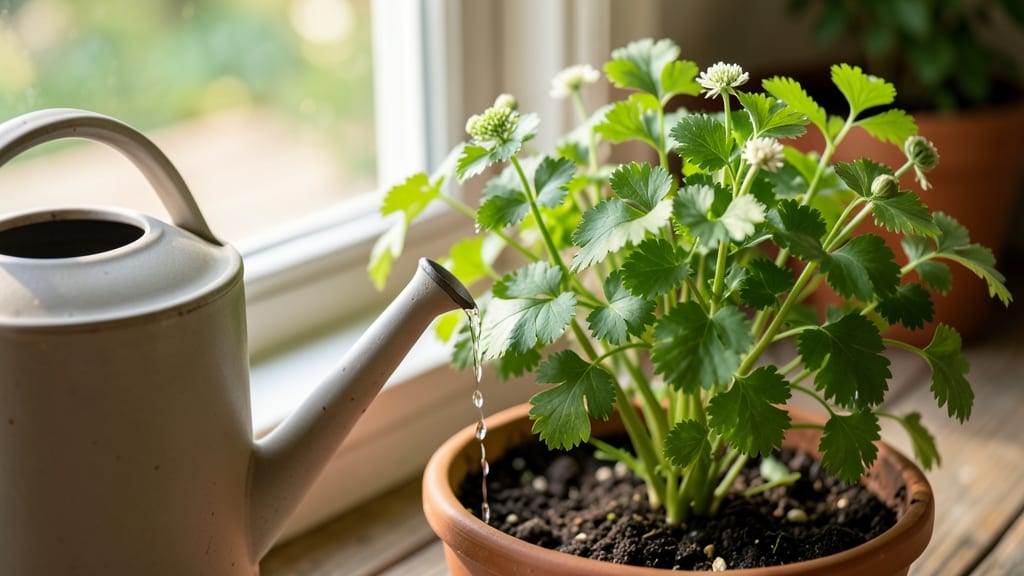
Want to know how much water does cilantro need to stay lush and flavorful? The answer is simple: water it when the top 1 inch of soil feels dry—that’s the key to vibrant, aromatic leaves 🌿.
Struggling to keep your cilantro thriving? Overwatering or underwatering can turn your pungent herb into a sad, bolted mess—fast. The secret to vibrant, flavorful cilantro lies in mastering its water needs, and the 1-inch rule is your golden ticket.
Cilantro hates soggy roots but wilts just as quickly when parched. In spring or fall, water every 2-3 days, while summer heat may demand daily checks. Containers dry out faster than garden beds, so adjust accordingly.
Below, I’ll break down how to read your soil, spot watering mistakes, and tweak your routine for container-grown cilantro. No more wasted plants—just bold, pungent leaves on demand.
The 1-Inch water rule: how much and when to water cilantro
Cilantro thrives on consistency, and the 1-inch water rule is your best friend for keeping it lush and flavorful.
This means delivering 1 inch of water per week—whether from rain, irrigation, or your watering can—to the root zone. Cilantro hates soggy roots, so it’s better to water deeply and less frequently than to keep the soil damp.
Think of it like a steady drink for your herb: just enough to keep it hydrated without drowning it.
To apply this rule, stick your finger about 1 inch into the soil. If it feels dry at that depth, it’s time to water. If it’s still moist, wait another day or two.
This simple check prevents overwatering, which is the #1 killer of cilantro plants. Morning watering is ideal—it gives leaves time to dry, reducing fungal risks like rust or mildew.
🌱 Did You Know? Cilantro’s roots are shallow, so they rely on consistent moisture near the surface. Overwatering forces them to suffocate, while underwatering causes wilting or bolting—both ruin your harvest.
| Condition | Specification | Notes |
|---|---|---|
| Water Depth | 1 inch per week | Measure from soil surface to root zone |
| Soil Moisture | Consistently moist | Top 1 inch should dry slightly between waterings |
| Frequency (Spring/Fall) | Every 2-3 days | Adjust for rain; clay soil holds moisture longer |
| Frequency (Summer) | Daily (early morning) | Heat increases evaporation; mulch helps retain moisture |
| Container Adjustment | Every 1-2 days | Pots dry out faster; use self-watering containers if possible |
| Avoid | Waterlogged soil | Leads to root rot and bolting; ensure drainage holes |
Your cilantro’s watering frequency shifts with the seasons. In spring and fall, when temperatures are mild, water every 2-3 days unless rain steps in. But in summer’s heat, cilantro craves daily attention—early morning watering is key to prevent wilting by noon.
Pro tip: Mulch around plants with straw or shredded leaves to lock in moisture and keep roots cool.
Container-grown cilantro needs more frequent watering than in-ground plants. A 5-gallon pot might dry out in 1-2 days on a sunny day, while garden beds hold moisture longer.
Check soil moisture daily in pots, especially if your cilantro is wilting by afternoon. Terracotta pots dry out faster than plastic, so adjust accordingly.
Watch for seasonal stress signs: yellowing leaves often mean overwatering, while crispy edges signal thirst. Adjust your watering schedule based on these cues rather than sticking rigidly to the 1-inch rule.
For example, if your cilantro bolts (sends up a tall flower stalk), it’s likely underwatered or overheated—time to move it to partial shade and water more consistently.
For maximum flavor, aim to harvest cilantro before it bolts. Consistent 1-inch watering keeps it lush and slows bolting.
If your plant does flower, snip the stems just above the leaves to encourage more foliage growth. Bolting doesn’t mean game over—you can still harvest leaves, though they’ll taste stronger and slightly bitter.
Remember, cilantro’s water needs are about balance. Too much water = sad, soggy roots; too little = crispy, bolted plants. Stick to the 1-inch rule, adjust for your climate, and your cilantro will reward you with bold, fresh leaves all season long. Happy growing! 🌿
Signs of overwatering vs. underwatering cilantro (and how to fix it)
Your cilantro plants may look healthy on the surface, but water stress can sneak up fast. Overwatering and underwatering both cause visible symptoms, but the fixes couldn't be more different. Let's decode the clues your cilantro is silently screaming for help.
First, check the soil moisture with your finger. Stick it 1 inch deep—if it feels damp, hold off on watering. If it's bone dry, your cilantro is thirsty. This simple test prevents both extremes that ruin your harvest.
Watering Cilantro: The Balancing Act
✅ DO THIS
- Water 1 inch per week (adjust for rain)
- Use well-draining soil (mix compost)
- Water early morning (prevents fungal risk)
- Check soil moisture before watering
❌ AVOID THIS
- Soggy waterlogged soil (roots rot fast)
- Skipping consistent moisture (leads to bolting)
- Watering at night (encourages mold)
- Ignoring yellowing leaves (early warning sign)
Yellow leaves? That's your first overwatering warning. Check the stems—if they feel mushy, you're drowning your cilantro. The fix? Let the top 1 inch of soil dry out between waterings and improve drainage with perlite or sand.
Wilting cilantro with crispy leaf edges means underwatering stress. Unlike overwatered plants, these need immediate hydration. Water deeply until it drains from the bottom, then mulch to retain moisture—this mimics cilantro's native Mediterranean climate.
Watch for premature bolting (tall flower stalks) when water is inconsistent. This is cilantro's survival tactic when stressed. To prevent it, keep soil evenly moist and harvest regularly to encourage bushier growth.
For container-grown cilantro, water every 1-2 days—pots dry out faster. In-ground plants need 3-4 days between waterings. Always prioritize morning watering to give leaves time to dry before evening.