
How To
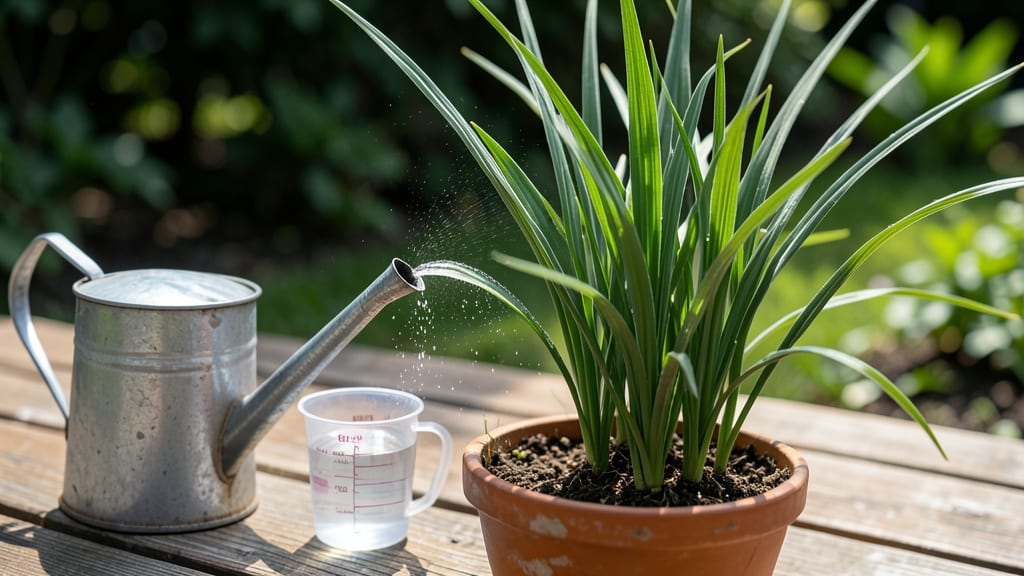
Lemon grass needs about 1 to 2 cups of water every 3 to 5 days to stay lush and fragrant—though that changes with pot size, season, and whether you’re growing it indoors or out.
Struggling to keep your lemon grass alive? Overwatering or underwatering can turn your fragrant plant into a sad, wilted stalk—here’s the science-backed watering schedule to keep it thriving.
This tropical herb loves moisture but hates soggy roots, which is why checking soil dryness with your finger (or a moisture meter) is the key to success. Too little water, and the leaves yellow; too much, and you risk root rot.
Below, I’ll break down the exact watering routine for your climate, container type, and even seasonal shifts—so you can grow vibrant, healthy lemon grass without the guesswork.
Lemon grass watering schedule: how often to water based on soil dry test
Lemon grass thrives when its soil stays consistently moist but never waterlogged. Unlike drought-tolerant succulents, this tropical herb demands regular hydration to maintain its signature citrus aroma and vibrant growth. The key? A soil dry test—checking moisture levels before watering prevents both underwatering (stunted growth) and overwatering (root rot).
I’ve found that outdoor lemon grass in garden beds needs watering every 3-5 days during summer, while potted plants dry out faster and may need daily checks. For indoor plants near windows, humidity levels drop significantly, so I increase watering to every 2-3 days in dry climates.
Seasonal shifts matter too—winter slows growth, reducing water needs by half.
Here’s a quick soil dry test I use: Stick your finger 1-2 inches deep into the soil. If it feels dry, it’s time to water. For potted plants, lift the pot—if it’s light, the soil is dry.
A moisture meter ($10 at garden stores) takes the guesswork out of it, especially for beginners.
For outdoor lemon grass, I schedule watering in the early morning to let excess moisture evaporate before nightfall. This prevents fungal diseases like leaf spot, which thrives in damp conditions.
If your garden soil drains poorly, mix in compost or perlite to improve aeration—this helps roots breathe while retaining moisture.
Indoor lemon grass near south-facing windows often needs more frequent watering because heat and sunlight dry soil faster. I place a small tray under pots to catch runoff and top up with distilled water (tap water’s chlorine can stress plants).
Grouping pots together creates a microclimate that retains humidity, reducing evaporation.
Seasonal shifts demand flexible adjustments. During summer’s peak heat (June-August), I water outdoor plants daily if temperatures exceed 90°F. In winter months (December-February), growth slows, so I reduce watering to every 10-14 days and focus on keeping soil barely moist.
Mulching with straw helps insulate roots and conserve moisture.
Pro tip: Deep watering encourages robust root systems. Instead of light daily sprinkles, I water until water drains from the pot’s bottom or seeps 6 inches into garden soil.
This mimics tropical rainfall patterns, where heavy downpours are followed by dry periods. Over time, your lemon grass will develop drought-resistant roots and handle brief dry spells better.
If you’re unsure whether your lemon grass needs water, check the leaves. Healthy stalks feel plump and crisp when squeezed gently. Wrinkled or drooping leaves signal thirst, while soft, mushy stems mean you’ve overdone it.
Adjust your schedule based on these visual cues—your plant’s health is the best moisture meter!
Remember, consistency is key. Lemon grass hates moisture fluctuations, so stick to your tested schedule. With the right balance, you’ll enjoy fragrant, lush stalks ready for harvest in as little as 60-90 days—perfect for teas, stir-fries, or homemade cleaning solutions. 🌿
Signs your lemon grass is overwatered or underwatered (and how to fix it)
Lemon grass thrives on consistent moisture but struggles when watering habits swing too far in either direction. Yellowing leaves or brown, crispy tips are your plant’s way of screaming for help—whether it’s drowning in excess water or parched from neglect.
The key is learning the subtle differences between overwatered and underwatered symptoms so you can act fast before root rot or irreversible damage sets in.
Start by checking the soil moisture with your finger. Stick it about 1 inch deep—if it feels damp, hold off on watering. If it’s bone-dry, your lemon grass is thirsty.
But here’s the catch: lemon grass roots need oxygen too, so soggy soil is just as deadly as dry soil. The balance is delicate, and spotting the warning signs early can save your plant.
⚠️ callout warning
Ideal watering: 1-2 cups every 3-5 days (adjust for pot size/climate). Soil should dry slightly between waterings—never soggy! Morning watering prevents fungal risks. Potted plants dry faster; in-ground plants hold moisture longer.
Warning: Lemon grass hates waterlogged roots. Yellow leaves + mushy stems = root rot emergency. Act fast by repotting in fresh soil and cutting back on water.
When your lemon grass is overwatered, watch for yellow leaves that feel mushy to the touch. The stems may also appear soft or hollow when squeezed—a classic sign of root rot. If you notice a foul smell around the base, that’s your cue to act immediately.
Overwatering suffocates the roots, cutting off their oxygen supply and inviting fungal infections. The fix? Stop watering for 3-5 days, then repot in well-draining soil with perlite or sand to improve aeration.
On the flip side, underwatered lemon grass sends different distress signals. The leaves will curl inward and develop brown, crispy edges, almost like they’ve been sun-scalded. The plant may also droop dramatically, even when the soil feels dry.
Unlike overwatering, underwatering is easier to correct: simply water deeply until it drains from the bottom of the pot, then mulch the soil to retain moisture. For severe cases, place the pot in a shallow tray of water for 10-15 minutes to revive the roots.
Don’t forget to adjust your watering based on the season. During hot summer months, lemon grass may need watering every 2-3 days, while winter slows its growth, reducing water needs to once a week.
Always check the soil before watering—consistency is the secret to keeping your lemon grass lush and fragrant.
Pro tip: Use a moisture meter or the finger test to avoid guesswork. If you’re unsure, underwater slightly—lemon grass is more forgiving of dry spells than it is of soggy soil.
With the right balance, your plant will reward you with bold, citrusy stalks ready for harvest in no time. 🌿