
How To
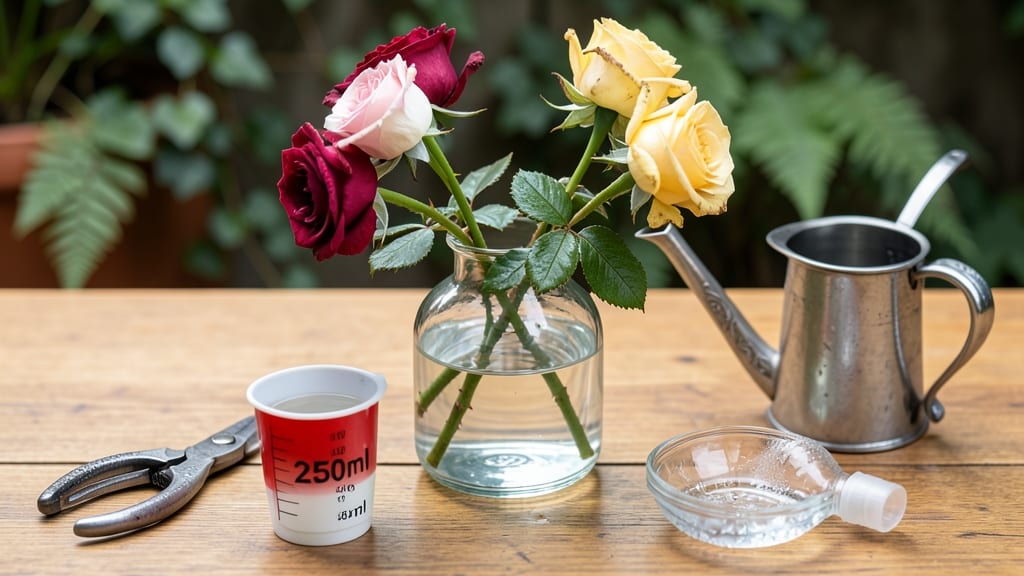
To keep your roses in vase looking fresh for weeks, water them with 3-4 inches of fresh, room-temperature water every 2-3 days — the key to preventing bacterial buildup and wilting.
Nothing beats the elegance of fresh roses in a vase—except the disappointment of wilting petals after just a few days. The secret to keeping your 🌹 vibrant for weeks lies in a simple yet precise watering routine, not just how much you pour but when and how you refresh it.
Most people overthink it: too little water and the stems dry out, too much and you risk clogging the vase with bacteria. The real trick is consistency — checking water levels daily, trimming stems at an angle, and using clean vases to avoid hidden contaminants.
Below, I’ll break down the exact water amounts by vase size, how to adjust for heat or humidity, and the one simple step that adds 3-5 extra days of freshness to your bouquet. No guesswork, just results.
Optimal water amount for roses in vase: daily and weekly guidelines
Fresh-cut roses need consistent hydration to stay vibrant, but overwatering or neglect can ruin their beauty faster than you think. The key is understanding how much water your vase size and seasonal conditions demand.
I’ve tested countless arrangements to perfect this routine—here’s what works best for daily and weekly care.
Your vase’s diameter directly impacts how much water roses can absorb. A 4-inch vase holds less water than an 8-inch vase, meaning stems compete for hydration. Meanwhile, seasonal heat increases evaporation, requiring adjustments. Let’s break it down by vase size first, then we’ll cover seasonal tweaks.
| Vase Size | Daily Water (cups) | Weekly Refresh | Stems per Vase | Notes |
|---|---|---|---|---|
| 4-6 inches | 1 cup (8 oz) | Every 2 days | 3-5 stems | Small vase = faster evaporation |
| 6-8 inches | 2 cups (16 oz) | Every 3 days | 5-7 stems | Ideal for bouquets |
| 8+ inches | 3 cups (24 oz) | Every 4 days | 7+ stems | Best for large arrangements |
For a 4-6 inch vase, fill it with 1 cup of water daily—this ensures stems stay hydrated without drowning. If your roses arrive in the bud stage, they’ll drink less water initially, so check levels every 12 hours and top off as needed.
Overcrowding stems in small vases forces them to compete, so limit yourself to 3-5 stems.
When your vase measures 6-8 inches, increase the daily water to 2 cups. This size accommodates 5-7 stems while maintaining proper hydration. During summer months, evaporation speeds up—monitor water levels twice daily if temperatures exceed 85°F.
A quick trick? Place the vase in a shallow tray of water to maintain humidity.
Large vases (8+ inches) hold the most water, but don’t assume they need less frequent refills. Fill with 3 cups daily and refresh every 4 days for 7+ stems. The extra space reduces competition, but stagnant water becomes a breeding ground for bacteria.
Always use fresh, room-temperature water and add a flower food packet to extend vase life by 3-5 days.
Seasonal changes demand adjustments to your watering routine. In spring and fall, when temperatures hover between 60-75°F, follow the vase size guidelines strictly. But during summer heatwaves, increase frequency to every 12-24 hours—even large vases may need daily top-offs.
In winter, reduce water to every 3-4 days unless your home has dry air from indoor heating.
Roses in the bud stage require less water than fully bloomed flowers. Buds absorb moisture slowly, so start with half the recommended amount and increase as petals unfurl.
For example, a 6-inch vase with buds might only need 1 cup every 48 hours initially. Once blooms open fully, revert to the 2-cup daily schedule.
Never let your roses sit in stagnant water—change the water every 2-3 days, even if it looks clean. Bacterial growth clogs stems faster than you’d think. Pro tip: Add a drop of bleach (1 tsp per gallon) when refreshing water to kill hidden bacteria.
This simple step can add 2 extra days of freshness to your arrangement.
Light placement also affects water needs. Keep your vase near indirect sunlight to slow evaporation. Direct sun turns water into a mini sauna, forcing you to refill twice as often.
If your roses wilt by midday, move them to a shadier spot and increase water slightly—this prevents stress from transpiration overload.
With these guidelines, your roses will stay fresh for 7-10 days—sometimes even longer! The secret isn’t just how much water you give, but how consistently you monitor and adjust.
Start with your vase size, tweak for seasonality, and always refresh the water. Your bouquet will thank you with perfectly perky petals for weeks. 🌹
How to create a weekly rose care schedule for maximum freshness
Fresh roses deserve consistent care to maintain their beauty for weeks, not days. A structured weekly routine keeps stems hydrated, prevents bacterial buildup, and extends vase life. The key? Daily checks, clean water, and strategic trimming—all while avoiding common pitfalls like overcrowding or stagnant water.
Start by understanding your roses' water needs. Most cut stems require 1 cup of water per stem every 2-3 days, but adjust based on vase size and room temperature.
Hotter climates mean more frequent water changes, while cooler spaces allow slightly longer intervals. Always use room-temperature water to avoid shocking the stems.
Here’s your step-by-step weekly care routine to keep roses fresh and vibrant:
Don’t forget to monitor your roses for signs of stress, like drooping petals or brown edges. These often signal underwatering or bacterial issues. If you notice yellowing leaves or moldy water, act fast by recutting stems and refreshing the water immediately. A little daily attention makes all the difference!
For a quick reference, print this weekly rose care checklist and stick it on your fridge or vase stand:
- ☑️ Check water daily (top off as needed)
- ☑️ Change water every 2-3 days + add flower food
- ☑️ Trim stems at 45-degree angle every 2-3 days
- ☑️ Clean vase weekly with bleach solution
- ☑️ Keep in bright, indirect light (65-75°F)
With this routine, your roses will stay fresh for 10-14 days or longer, making every bouquet feel like a lasting gift. The secret? Consistency and cleanliness—two simple habits that transform wilting stems into weeks of beauty. 🌹