
Watering
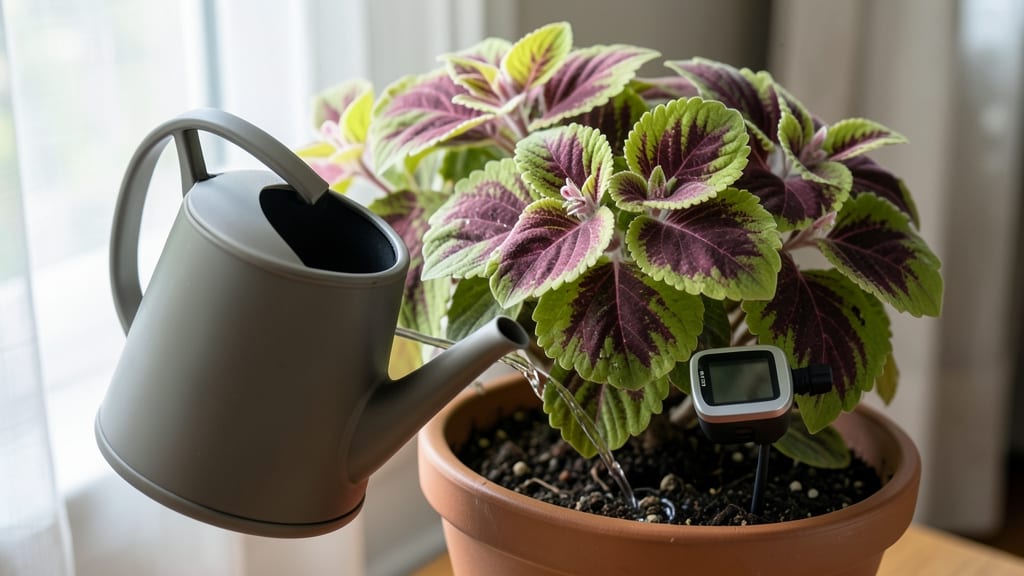
Coleus need about 1 inch of water per week to keep their leaves vibrant and prevent stress, but the exact amount depends on your plant’s stage and environment.
Struggling to keep your coleus thriving? Watering too much or too little can turn those stunning leaves dull or crispy—here’s the precise weekly schedule you need by growth stage.
Whether your coleus is a young seedling, an established plant, or blooming, understanding soil moisture and seasonal shifts is key. Too much water leads to root rot, while too little causes wilting.
I’ll break down the best practices for both container and in-ground plants, so you can maintain that lush foliage all season long.
You’ll also learn how to spot overwatering or underwatering and adjust your routine for humidity, temperature, and even your local climate. By the end, your coleus will be the showstopper of your garden or patio!
Coleus watering schedule by growth stage: weekly requirements for healthy leaves
Coleus plants thrive on consistent moisture but despise soggy soil—balancing these needs is key to those vibrant leaves you love. As a tropical ornamental, coleus has three distinct growth stages, each with unique watering demands.
Whether you're nurturing seedlings, caring for mature plants, or encouraging blooming, precise watering keeps your coleus lush and healthy.
I’ve grown coleus for years, and the biggest mistake I see is overwatering—especially during the seedling stage. Too much water causes root rot, while too little leads to crispy edges on those gorgeous leaves.
The solution? A stage-specific schedule that adapts to your coleus’s needs as it grows. Let’s dive into the weekly watering requirements for each phase, including soil checks and seasonal tweaks.
| Growth Stage | Watering Frequency | Water Volume (per plant) | Soil Moisture Check | Seasonal Adjustments |
|---|---|---|---|---|
| Seedlings (0-4 weeks) | Every 2-3 days | ¼ cup (60ml) | Top ½ inch dry | Spring/fall only; avoid winter |
| Established (4-12 weeks) | Every 4-5 days | 1 cup (250ml) | Top 1 inch dry | Summer: daily; winter: weekly |
| Mature/Blooming (3+ months) | Every 5-7 days | 1.5 cups (375ml) | Top 1.5 inches dry | Reduce by 30% in winter |
| Potted Coleus (All Stages) | Every 2-3 days | Adjust to pot size | Top 1 inch dry | Use saucers; drain excess |
For seedlings, I start with light, frequent watering—just enough to keep the top ½ inch of soil moist. Use a spray bottle or watering can with a fine rose to avoid disturbing delicate stems.
Overwatering at this stage is the fastest way to invite damping-off disease, so let the soil dry slightly between waterings. If you’re growing indoors, humidity trays help maintain moisture without drowning roots.
Once your coleus reaches the established stage (around 4 weeks), you can increase water volume and spacing. Aim for 1 cup of water per plant every 4-5 days, checking that the top inch of soil feels dry before watering again.
During summer months, I water daily if temperatures exceed 85°F, but always monitor for wilting or yellowing leaves, which signal over- or under-watering. Mulching with organic matter retains moisture and regulates soil temperature.
Mature coleus plants (3+ months old) are the most forgiving but still need consistent care. At this stage, I water every 5-7 days, delivering 1.5 cups per plant to encourage deeper root growth.
If your coleus starts blooming, reduce water slightly—too much moisture can dilute leaf colors and promote weak stems. For container-grown coleus, adjust based on pot size: smaller pots dry out faster, while large containers may need watering every 7-10 days.
Seasonal changes dramatically affect watering needs. In spring and fall, coleus thrives with moderate watering, but summer heat demands daily checks. I’ve seen coleus leaves curl and crisp within hours of wilting in 90°F+ heat, so I water early in the morning to reduce evaporation.
Conversely, winter watering should drop to every 1-2 weeks for indoor plants, as growth slows and moisture lingers longer in cooler air.
To test soil moisture like a pro, stick your finger into the soil up to your first knuckle. If it feels dry, it’s time to water. For
Signs your coleus is overwatered or underwatered (and how to fix it)
Your coleus thrives on balance, and getting its watering routine right is key to those vibrant leaves. Too much water causes root rot and yellowing, while too little leads to crispy edges and wilting. Let’s decode the signs and fix them before your plant suffers.
First, check the soil moisture—stick your finger about an inch deep. If it feels damp, hold off on watering. If it’s bone-dry, your coleus is thirsty. But the real clues lie in the leaves and stems, which we’ll explore next.
⚠️ Warning: Overwatering vs. Underwatering in Coleus
Overwatering: Yellowing leaves (especially lower ones), mushy stems, and soil that smells sour. Root rot sets in quickly, turning leaves black and limp.
Underwatering: Crispy, brown leaf edges, wilting even when soil is dry, and a dry, cracked soil surface. Leaves may curl or drop entirely.
Fix it: Adjust your watering schedule—potted coleus needs watering every 1-2 days in summer, while in-ground plants can go 2-3 days between waterings. Always use well-draining soil mixed with perlite or sand.
If your coleus leaves are turning yellow and mushy, it’s a clear sign of overwatering. Stop watering immediately and let the top 2 inches of soil dry out completely. Repot your plant in fresh, well-draining potting mix if the roots smell foul or look black and mushy.
On the flip side, brown, crispy edges on the leaves mean your coleus is underwatered. Increase watering frequency but ensure the soil drains well. Water deeply until it runs out the drainage holes, then wait until the top inch of soil feels dry before watering again.
Prevent future issues by monitoring your coleus’s environment. Humidity levels matter—keep your plant in a humid spot or use a pebble tray to maintain moisture. Avoid placing it in drafty areas or near heaters, which dry out the soil faster.
For container-grown coleus, use pots with drainage holes and a mix of peat moss, perlite, and compost. This combo ensures excess water drains away while retaining enough moisture for those stunning leaves. Mulch the soil surface to slow evaporation and keep roots happy.
With these fixes, your coleus will bounce back in no time. Pay attention to its leaves and soil, and you’ll master the perfect watering balance for a lush, thriving plant. 🌿