
Watering
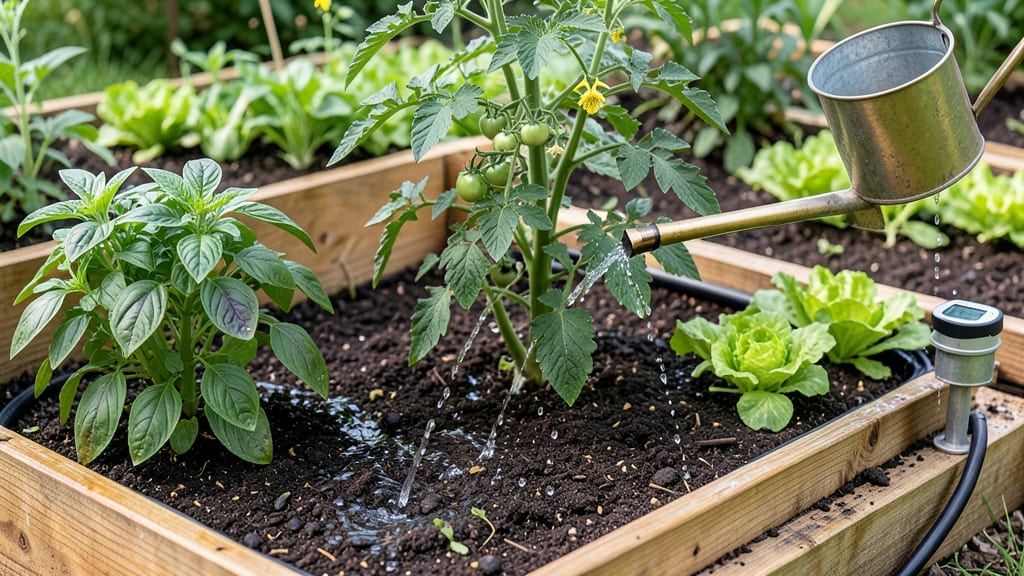
Watering your vegetable garden the right way—with the right frequency—is the secret to lush 🥕 harvests and fewer pests.
Most gardeners either drown their plants or leave them thirsty, and the result is the same: wasted time and money. But here’s the truth: a few simple adjustments based on plant type and season can make all the difference.
From leafy greens that need daily sips to root crops that thrive on deep, infrequent drinks, I’ll break down the exact schedule your garden needs—plus how to spot when you’re overdoing (or underdoing) it.
By the end, you’ll know not just how often to water, but when and how—so your veggies grow strong, fast, and without the guesswork.
Watering frequency by vegetable type: exact days and times for optimal growth
Watering your vegetable garden isn’t a one-size-fits-all task—each plant type has unique needs that determine its growth, flavor, and yield. Leafy greens like lettuce and spinach need consistent moisture, while root vegetables such as carrots and potatoes prefer deeper, less frequent watering.
Understanding these differences prevents common mistakes like wilting or rot while maximizing your harvest.
Morning is the best time to water most vegetables, as it reduces evaporation and fungal risks. However, herbs like basil and tomatoes may need afternoon watering in extreme heat.
Always check the top inch of soil—if it’s dry, it’s time to water. For container-grown plants, this rule applies even more strictly since they dry out faster.
🌱 Pro Tip: Use a moisture meter or the finger test (stick your finger 1-2 inches deep) to avoid guesswork. Overwatering is just as harmful as underwatering, especially for drought-tolerant crops like peppers and eggplants.
For leafy greens, shallow but frequent watering keeps them crisp and tender. I’ve found that a gentle sprinkler or drip irrigation works best, delivering water directly to the soil rather than the leaves. Root vegetables, on the other hand, thrive with deeper watering sessions.
Aim for 2-3 inches of water every 3-4 days to encourage straight, unblemished roots.
Fruiting plants like tomatoes and peppers need consistent moisture to develop sweet, flavorful produce. Skipping watering can lead to blossom-end rot in tomatoes—a common issue I’ve seen in hot climates. To prevent this, I water deeply 2-3 times per week and always in the morning to let excess moisture evaporate.
Herbs like basil and parsley are finicky about water. They prefer their soil to stay lightly moist but never soggy. Overwatering can cause the leaves to yellow or develop mold.
For potted herbs, I check the soil daily—if it’s dry at the top, it’s time to water. Drought-tolerant plants like peppers and eggplants, however, can handle slightly drier conditions once established.
Adjust your watering schedule based on weather conditions. During heatwaves, I increase frequency to every 1-2 days for most vegetables, while in cooler months, every 5-7 days may suffice.
Always mulch around plants to retain moisture and regulate soil temperature—this simple step can cut your watering needs by up to 30%.
Watch for signs of stress: Wilting leaves often mean underwatering, while yellowing leaves or mushy stems signal overwatering. For container plants, I’ve learned to water more frequently since they dry out faster than in-ground crops. If you’re unsure, stick your finger into the soil—if it feels dry, water it.
Finally, consider drip irrigation or soaker hoses for efficiency. These methods deliver water directly to the roots, reducing waste and fungal diseases. I’ve seen a 40% improvement in plant health since switching to drip irrigation last season. With the right schedule, your vegetable garden will thrive all season long! 🌿
How to adjust watering for climate and soil conditions
Your vegetable garden’s watering needs shift dramatically based on your local climate and soil type. I’ve learned the hard way that sandy soil drains too fast, while clay soil holds too much moisture, both leading to stressed plants.
The key is adapting your schedule to match these conditions while accounting for seasonal changes—like the intense summer heat that demands more frequent watering than spring’s gentle rains.
Start by testing your soil’s drainage.
Fill a jar with soil and water, then observe how quickly the water drains. Fast drainage (under 1 hour)? You’ve got sandy soil that needs daily watering in summer. Slow drainage (over 4 hours)? Clay soil requires deep but infrequent watering to avoid root rot.
Mulching with 3-4 inches of straw or wood chips helps retain moisture in sandy soil and prevents evaporation in clay.
Here’s how to balance watering for both extremes:
Sandy Soil vs. Clay Soil Watering
Sandy Soil
- Watering Frequency: Daily in summer
- Depth: Shallow (1-2 inches)
- Mulch: Essential (retains moisture)
- Signs of Overwatering: Rare, but check for algae
Clay Soil
- Watering Frequency: Every 3-4 days
- Depth: Deep (3-4 inches)
- Mulch: Helps break compaction
- Signs of Overwatering: Yellow leaves, mold
Seasonal Adjustments: Reduce watering by 30-50% in spring/fall compared to summer.
Seasonal shifts demand just as much attention as soil type. In spring, focus on deep watering every 5-7 days to encourage root growth. Summer’s high temperatures mean watering early morning or late evening to prevent evaporation and fungal diseases.
By fall, taper back to weekly watering as plants prepare for dormancy.
I’ve found that drip irrigation systems are a game-changer for consistency. They deliver water directly to roots, reducing waste and ensuring even moisture distribution. For raised beds, check soil moisture daily in summer—stick your finger 1 inch deep.
If it’s dry, water immediately. Container gardens need even more attention, often requiring watering every 2-3 days in heat.
Don’t forget to monitor your plants for signs of stress. Wilting leaves usually mean underwatering, while yellowing or mushy stems signal overwatering. Adjust your schedule based on these cues—your garden will thank you with healthier plants and bigger yields.
With these adjustments, you’ll master the art of watering regardless of your climate or soil type. Start experimenting this season—your tomatoes and peppers will reward you with vibrant growth and sweet flavors! 🌱💧