
Light Requirements
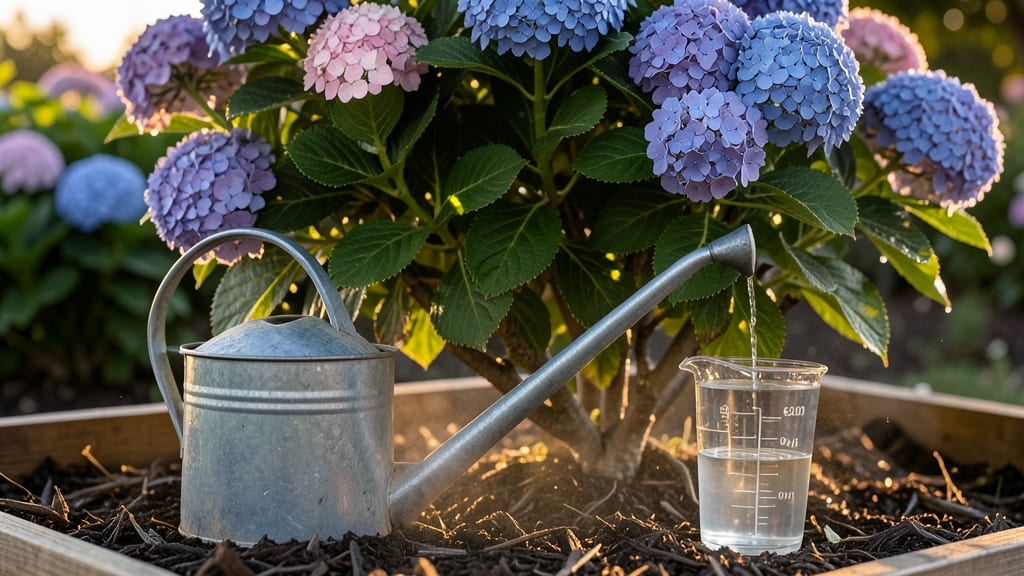
How often do you need to water hydrangeas to keep their blooms vibrant and healthy 🌸, but getting the frequency right can feel like a guessing game.
If you’ve ever watched your hydrangeas wilt despite regular watering—or worse, turn yellow from too much—you’re not alone. The key lies in understanding how soil type, season, and even your local climate change what "often" really means for your plants.
In this guide, I’ll break down the exact watering schedule for hydrangeas, from the weekly soaks of summer to the light touches of winter. You’ll learn how to read your soil, adjust for drought or rain, and keep those stunning blooms thriving without the guesswork.
Whether your hydrangeas sit in sandy soil that dries fast or clay that stays soggy, these tips will help you water like a pro—no more brown edges or limp leaves!
Hydrangea watering schedule by season: spring to fall essentials
Hydrangeas are thirsty shrubs that need consistent moisture to produce those stunning blooms, but overwatering kills roots just as fast as underwatering. The key is seasonal adjustments based on your soil type and local climate.
In spring, new growth demands frequent deep watering, while summer heat requires daily checks for wilting. Let's break down the exact schedule you need to follow month by month.
Your soil type is the #1 factor in hydrangea watering. Sandy soil drains too quickly, while clay soil holds moisture like a sponge. Loamy soil (the gold standard) balances both. I'll show you how to adjust your watering routine for each type.
For example, a hydrangea in sandy soil might need watering every 3-4 days in summer, while the same plant in clay soil could go 10 days between waterings.
Here's your seasonal watering cheat sheet for hydrangeas, tailored by soil type and growth stage:
| Season/Month | Sandy Soil | Loamy Soil | Clay Soil | Water Depth |
|---|---|---|---|---|
| Spring (April-May) | Every 3-4 days | Every 5-7 days | Every 7-10 days | 1-1.5 gallons |
| Summer (June-August) | Every 2-3 days | Every 5-7 days | Every 7-10 days | 1.5-2 gallons |
| Fall (September-October) | Every 5-7 days | Every 7-10 days | Every 10-14 days | 1 gallon |
Note: Adjust for extreme heat (increase frequency) or heavy rain (skip watering).
Spring is when your hydrangeas wake up from dormancy and need consistent moisture to establish roots. Start watering in early April (or after last frost) and aim for 1-1.5 gallons per plant every 5-7 days in loamy soil.
If your soil is sandy, you'll need to water every 3-4 days to prevent drought stress. Look for wilting leaves or crispy leaf edges—these are signs your plant is thirsty.
Summer is the most critical time for hydrangea watering, especially in Zones 7-9 where temperatures often exceed 90°F (32°C).
Mature hydrangeas need 1.5-2 gallons of water every 5-7 days in loamy soil, but daily checks are essential during heatwaves. Morning watering (before 10 AM) is ideal—it reduces evaporation and fungal risks.
If your soil is clay, you can stretch waterings to 7-10 days, but monitor for yellowing leaves, which may signal overwatering.
Don't make the mistake of watering at night—this creates a damp environment that invites powdery mildew and root rot. Instead, water deeply in the early morning so the roots can absorb moisture before the heat of the day.
For container-grown hydrangeas, you'll need to water every 2-3 days in summer, as pots dry out 3-4x faster than garden soil. Pro tip: Use a moisture meter to check soil depth—hydrangeas hate dry soil but despise waterlogged roots.
Fall watering should gradually decrease as your hydrangea prepares for dormancy. By September, reduce frequency to every 7-10 days in loamy soil, and 10-14 days in clay. The goal is to harden off the roots before winter.
Stop fertilizing by mid-September to encourage root development rather than late-season growth. Watch for drooping buds—this often means your plant needs a deep drink before the cold sets in.
How do you know if you're overwatering vs. underwatering? Yellow leaves with green veins = overwatering. Brown, crispy leaves = underwatering. Another clue: Mushy stems mean rot from too much water, while curled leaf edges signal thirst.
If your hydrangea's leaves feel slimy when touched, it's a red flag for root rot. Act fast by reducing water and improving drainage with organic mulch.
For newly planted hydrangeas
Winter watering rules for hydrangeas: when to hold back and when to hydrate
Winter care for hydrangeas often sparks confusion—should you water at all? The truth is, these shrubs enter dormancy but still need minimal hydration to survive freeze-thaw cycles.
Overwatering in winter can suffocate roots, while complete neglect risks dehydration during dry spells. Your USDA hardiness zone and soil type dictate the balance.
In Zones 5-7, where winters are cold but not extreme, hydrangeas typically require monthly light irrigation if natural snowfall is absent. For Zones 8-9, milder winters mean slightly more frequent checks—perhaps every 3-4 weeks—especially in sandy soils that drain quickly.
Always water early morning to prevent ice formation around roots.
⚠️ key-takeaway ⚠️
Mulching is your best winter ally. Apply a 3-inch layer of mulch (straw or shredded leaves) around the base after the first frost. This insulates roots from temperature swings and reduces evaporation.
Replenish mulch in late winter if it decomposes or washes away—this simple step cuts water needs by up to 50%.
A common myth suggests hydrangeas "hibernate" without water, but this ignores root respiration. Even dormant plants need minimal moisture to prevent desiccation. Test soil moisture by probing 2 inches deep—if dry, water lightly. Overwatering here causes root rot, while underwatering stresses the plant for spring growth.
Watch for ice encasement on stems, which can trap moisture and promote rot. Gently brush off ice with a broom, but avoid disturbing the root zone. In extreme drought (like Zone 9 winters), supplement with drip irrigation set low to avoid runoff.
Always prioritize root health over aesthetics—wilting in winter is normal, but soggy soil is not.
By late winter (February in most zones), hydrangeas begin pre-sprouting. Increase checks to every 2 weeks if the ground isn't frozen. This prepares them for spring's watering demands. Remember: less is more in winter—hydrangeas reward patience with bigger blooms in spring.