
Watering
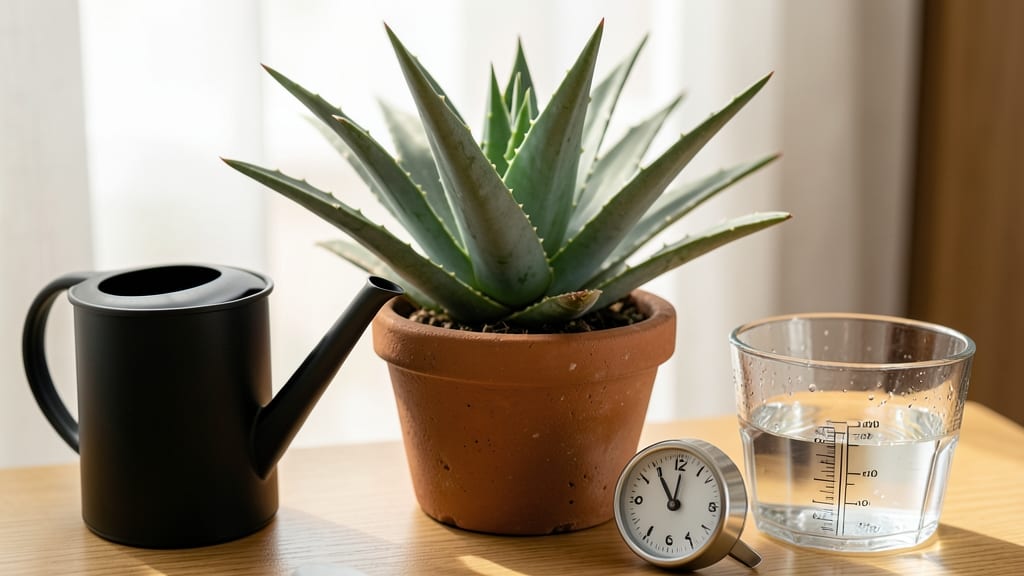
Watering aloe plants every three weeks is the key to keeping them thriving without drowning their roots in the soil.
Struggling to keep your aloe plant alive? Overwatering kills more aloe plants than drought—yet most gardeners still get it wrong. The secret lies in a simple 3-week watering cycle that mimics its desert roots.
This succulent stores water in its plump leaves, so it doesn’t need frequent watering. In fact, sticking to a consistent schedule prevents root rot and keeps your aloe healthy for years.
Below, I’ll break down the exact watering routine, how to adjust for seasons, and what to watch for when your aloe is thirsty—or too wet.
The 3-Week watering cycle for aloe vera: science-backed timing
Aloe vera thrives on a 21-day watering cycle because its native desert environment teaches it to store moisture. Unlike thirsty houseplants, aloe sends roots deep into soil to find water—meaning overwatering is its #1 killer.
The key? Let the top 2-3 inches of soil dry completely between waterings, regardless of the calendar.
Think of aloe's watering needs like a cactus's survival strategy: it's built for drought, not soggy soil. When you water every 3 weeks, you're mimicking its natural habitat where rainfall is rare and intense. This schedule prevents root rot while keeping leaves plump and vibrant.
Here's the science: Aloe stores water in its thick leaves, which can last 3-4 weeks without water in ideal conditions. The 3-week cycle gives roots time to breathe while maintaining hydration. Skip this rule, and you risk yellowing leaves or worse—mushy stems from too much moisture.
🌱
| Watering Scenario | Frequency | Soil Check | Seasonal Adjustment |
|---|---|---|---|
| Standard potted aloe (4"+ pot) | Every 21 days | Top 2-3" dry | Spring/Fall: +3 days |
| Large aloe (12"+ pot) | Every 28 days | Top 3-4" dry | Summer: +7 days |
| Indoor aloe (low humidity) | Every 18 days | Top 1-2" dry | Winter: -5 days |
| Outdoor aloe (hot climate) | Every 35 days | Top 4"+ dry | Rainy season: Double check |
Your pot size dramatically changes the equation. Aloe in a small 4-inch pot dries out faster than one in a 12-inch container. The rule of thumb? Bigger pot = less frequent watering.
For example, my 3-year-old aloe in a 6-inch pot gets water every 21 days, while my mature 18-inch aloe waits 28 days between drinks.
Seasonal shifts matter too. In summer heat, extend the cycle to 35 days—aloe's thick leaves act like built-in water tanks. Conversely, winter dormancy (below 50°F) slows moisture use, so water every 45 days.
Pro tip: Place your aloe near a south-facing window to maximize natural light, which boosts its drought tolerance.
Testing soil moisture is non-negotiable. Stick your finger 2 inches deep—if it feels dry, water thoroughly until it drains from the pot's bottom. If damp, wait 7 more days.
I use a wooden chopstick to check deeper layers in large pots. This method prevents the guesswork that kills most aloe plants.
💧
Myth-busting time: "Aloe needs weekly watering" is a common mistake. In reality, 90% of aloe deaths come from overwatering, not underwatering. The 3-week cycle works because aloe's roots seek moisture deeply, not just surface water.
When you water, soak until water runs out the drainage hole—this encourages roots to grow downward where they belong.
For indoor aloe, humidity levels change the game. Dry air (like from central heating) makes soil dry faster, so reduce the cycle to 18 days. Place a pebble tray with water nearby to add moisture without soggy soil.
Outdoor aloe in humid climates (like Florida) can stretch to 42 days between waterings—just monitor leaf plumpness closely.
🌿
Remember: wrinkled leaves mean thirst, but soft or mushy leaves mean overwatering. The 3-week cycle balances these extremes by trusting aloe's natural resilience. Once you master this rhythm, your aloe will reward you with thicker leaves, faster growth, and years of low-maintenance beauty.
Start today—your aloe's survival depends on it!
Signs your aloe plant needs water (vs. when to leave it alone)
Aloe plants thrive on neglect, but that doesn't mean they're drought-proof. The key is distinguishing between healthy dehydration (thick, wrinkled leaves) and overwatering damage (mushy, yellowing leaves). Your aloe stores water in its leaves, so slight wrinkling is normal—it's only time to water when the soil is completely dry.
I've lost count of how many aloe plants I've revived by simply stopping the watering! 🌱
Start by checking the soil 1-2 inches deep—if it's bone dry, it's time to water. For container-grown aloe, lift the pot: if it feels light, your plant is thirsty.
Outdoor aloe in well-draining soil may need water every 3-4 weeks in summer, while indoor plants often signal thirst sooner due to lower humidity. The biggest mistake? Watering on a schedule rather than checking soil conditions. 💧
DO Water When...
- 🌱 Leaves feel light when squeezed
- 🌱 Soil is bone dry 1-2" deep
- 🌱 Leaves look wrinkled but firm
- 🌱 Pot feels light when lifted
DON'T Water When...
- ❌ Leaves are soft or mushy
- ❌ Soil feels damp below surface
- ❌ Leaves are yellowing or brown
- ❌ Pot feels heavy with moisture
Yellowing leaves are your first warning sign of overwatering. Start with the oldest leaves—if they're turning yellow or brown at the base, you're likely drowning your plant.
I once had an aloe with mushy leaves that smelled foul; by the time I realized it was root rot, I'd lost the plant. If you suspect overwatering, stop watering immediately and check the roots. Healthy roots are firm and white, while rotted roots smell bad and feel slimy. 🪴
Another common mistake is confusing wrinkled leaves with thirst when they're actually a sign of underwatering. But here's the trick: if the leaves are still thick and upright, they're just storing water efficiently. Only water when the wrinkles look deep and persistent.
I keep a small notebook by my aloe plants to track when I watered last—this simple habit prevents guesswork. For outdoor aloe, morning watering gives roots time to dry before evening humidity sets in. ☀️
Your aloe's growth rate also signals its water needs. During spring and summer, you'll see new growth pushing from the center—this means it's storing water for drier periods. If growth slows dramatically, it's time to check soil moisture.
Remember, aloe plants in smaller pots dry out faster than those in large containers. I repotted my largest aloe into a 12-inch pot last year, and it now goes 5 weeks between waterings in summer! 🌿
For indoor aloe, watch for dust accumulation on leaves—this often means it's been neglected for too long. Wipe leaves with a damp cloth every few months to help them absorb light better. If your aloe is near a heater or AC vent, it may dry out faster.
I place mine near a south-facing window where it gets bright, indirect light—this mimics their natural desert habitat. The key takeaway? When in doubt, wait another week. Your aloe will thank you with thick, vibrant leaves! ✅