
Watering
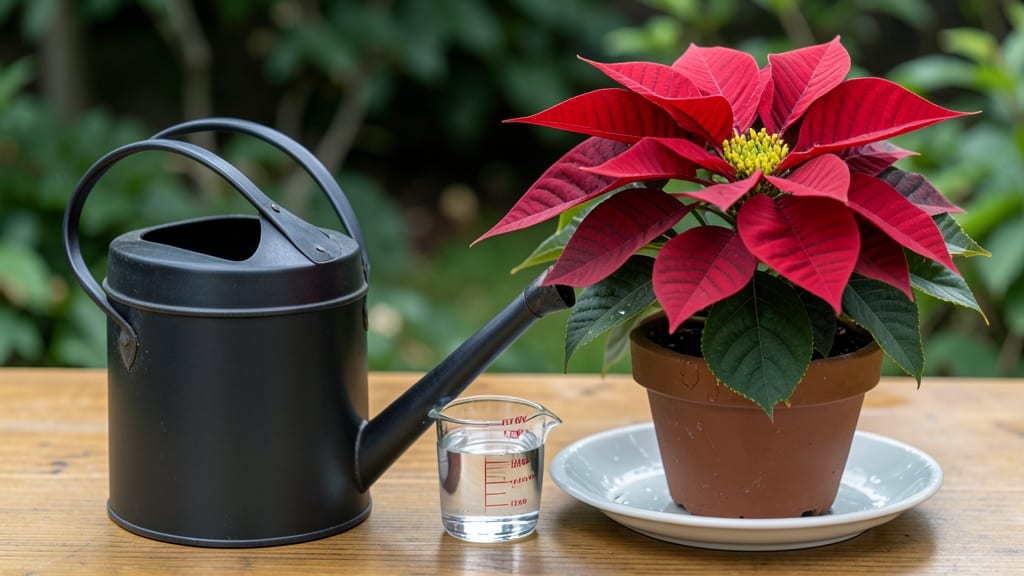
Watering your poinsettia 🎄 every 7 to 14 days keeps its vibrant blooms thriving—too much or too little can turn those showstopping red leaves into a sad, droopy mess.
Struggling to keep your poinsettia blooming year after year? The secret lies in mastering its watering schedule—overwatering or neglect can turn vibrant red leaves into a sad, wilted mess in weeks.
These plants thrive on a routine, but their needs shift with the seasons. In summer’s heat, you’ll water weekly, while winter’s dormancy means stretching those two-week intervals to avoid soggy roots.
Below, I’ll break down the exact schedule, how to check soil moisture like a pro, and the one trick that prevents those dreaded brown edges on the leaves.
Poinsettia watering schedule by season: when and how much to water
Mastering your poinsettia watering schedule is the key to keeping those stunning red bracts vibrant all season. These tropical plants thrive on consistent moisture but despise soggy soil—finding that balance is easier than you think.
The right approach varies by season, pot size, and even your home's humidity levels. Let's break down exactly how to care for your poinsettia month by month.
First, understand that poinsettias are sensitive to both overwatering and drought stress. In my experience, most people either drown their plants or let them dry out completely—both lead to droopy leaves and lost blooms.
The solution? Check the top inch of soil regularly. If it feels dry, it's time to water. For potted plants, this means until water runs freely from the drainage holes.
| Season | Watering Frequency | Amount per Watering | Key Tips |
|---|---|---|---|
| Spring (March-May) | Every 10-14 days | 1-2 cups (250-500ml) | Reduce watering as new growth appears |
| Summer (June-August) | Every 7-10 days | 1.5-2.5 cups (375-600ml) | Increase if in direct sunlight |
| Fall (September-November) | Every 5-7 days (blooming phase) | 2-3 cups (500-750ml) | Use distilled water to prevent leaf burn |
| Winter (December-February) | Every 14-21 days | 1 cup (250ml) | Reduce drastically during holiday season |
Let's start with spring watering, when your poinsettia emerges from its winter dormancy. During these warmer months, increase your watering frequency slightly as the plant begins active growth. I recommend checking soil moisture every 3-4 days—if the top inch feels dry, it's time to water.
Remember, poinsettias in smaller pots dry out faster than those in larger containers, so adjust accordingly.
Summer brings higher evaporation rates, especially if your poinsettia sits near a sunny window or air conditioning vent. This is when you'll need to water most frequently—typically once a week.
The key is to water deeply until you see water draining from the bottom, then let the top inch of soil dry out before the next watering. Overhead watering can cause leaf spot diseases, so I always use the bottom-watering method during hot months.
Fall is the critical blooming season for poinsettias, and proper watering makes all the difference. As your plant prepares to flower, increase watering to every 5-7 days while maintaining that consistent moisture.
This is when many growers switch to distilled or rainwater to prevent mineral buildup from tap water, which can cause unsightly white crust on the soil surface. I've found that using a humidity tray underneath the pot also helps maintain optimal conditions.
Winter care often gets overlooked, but this is when poinsettias enter their dormancy phase. Reduce watering dramatically to every 2-3 weeks—your plant is conserving energy for next year's blooms. The biggest mistake I see is keeping winter watering too frequent, which leads to root rot.
Always check for moisture before watering, and never let your poinsettia sit in standing water—empty saucers immediately after watering.
Watch for these signs of overwatering: yellowing leaves, mushy stems, or water pooling on top of the soil. These indicate your poinsettia is getting too much moisture. On the flip side, underwatering signs include crispy leaf edges, wilting despite moist soil, or leaves that fall off easily.
Both conditions can be fatal if not corrected promptly—adjust your schedule immediately when you notice these symptoms.
Pro tip: Use your finger to check soil moisture rather than guessing. Stick your finger about 1 inch deep—if it feels dry, water thoroughly. If it's still damp, wait another day or two.
I've kept poinsettias thriving for years using this simple method, and it works just as well for beginners as it does for experienced growers. Remember, the goal is consistent moisture, not soggy soil.
For extra-large pots (12+ inches), you may need to water slightly less frequently since the soil retains moisture longer. Conversely, smaller pots dry out faster, so check them more often.
Always ensure your container has proper drainage holes—this is non-negotiable for poinsettia care. Without them, you're setting yourself up for root rot regardless of how carefully you water.
Common poinsettia watering mistakes that kill your plant (and how to fix them)
Your poinsettia might look stunning during the holidays, but one wrong move with watering can send it into a downward spiral. I've seen root rot and drought stress turn vibrant red bracts into crispy brown leaves in just days.
The key is consistency—neither drowning nor neglecting your plant. Let's tackle the 5 most deadly watering mistakes and how to revive your poinsettia before it's too late.
First, I notice many gardeners make the mistake of assuming poinsettias need constant moisture like tropical plants. In reality, they prefer their soil to dry out slightly between waterings. Overwatering is the #1 killer, often leading to soggy soil that suffocates roots.
The good news? Most of these issues are reversible with quick action. Let me show you exactly how to diagnose and fix them.
⚠️ How Often Do You Water Poinsettia?
Mistake: Watering on a strict schedule without checking soil moisture. Poinsettias need 1-2 cups of water when the top 1-2 inches of soil feel dry. In winter, reduce to every 2-3 weeks—this is their dormancy period. Use your finger to test moisture: if it's damp below 1 inch, wait before watering.
Let's start with the silent killer: root rot. This happens when you water your poinsettia too frequently, especially in pots without drainage holes. I've had clients bring me plants with mushy stems and yellowing leaves—classic signs of overwatered roots. The fix?
Gently remove the plant from its pot and inspect the roots. Healthy roots are firm and white, while rotten ones are brown and mushy. Trim away the bad roots with sterilized scissors, repot in fresh, well-draining soil, and reduce watering to once every 10-14 days.
On the opposite end, drought stress causes leaves to curl and drop. Many people think poinsettias are drought-tolerant, but they actually need consistent moisture. If you've let the soil dry out completely, don't drown it—water gradually until it's evenly moist.
Place the pot in a tray of water for 10-15 minutes to encourage even hydration. After recovery, stick to watering when the top 1 inch of soil feels dry to the touch. A moisture meter can be a game-changer here!
Hard water buildup is another sneaky issue, especially in areas with high mineral content. White crusty deposits on the soil surface aren't just unsightly—they prevent water from penetrating properly. To fix this, flush the soil with distilled or rainwater every 4-6 weeks.
For immediate relief, soak the pot in a bucket of distilled water for 30 minutes, then drain completely. Long-term, consider using a water filter or collecting rainwater for your poinsettia's needs.
Inconsistent moisture is the final mistake that throws poinsettias off balance. Some days you water heavily, other days you forget entirely. This causes leaf drop and stunted growth. The solution? Create a watering routine.
Set a reminder for morning watering (before 10 AM) and use a self-watering pot if you travel often. Group your poinsettia with other plants to remind you of the schedule. Remember, morning watering gives leaves time to dry, reducing fungal risks.
With these fixes, your poinsettia can bounce back from even the worst watering mistakes. The key is observation—watch your plant's leaves and soil for clues. And always remember: more isn't better when it comes to watering. Your poinsettia will thank you with vibrant blooms year after year! 🎄