
Flowers
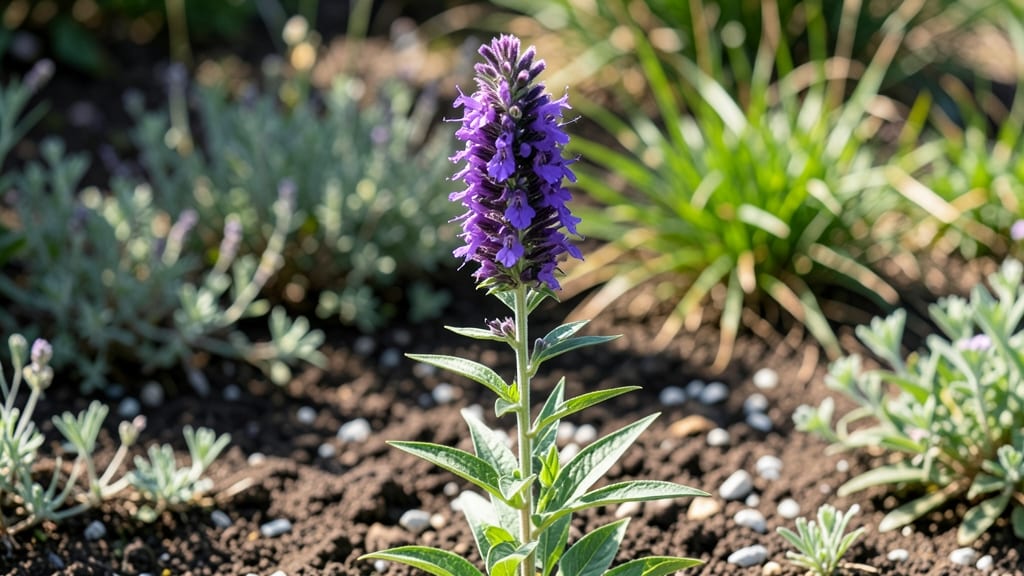
This trailing verbena perennial keeps coming back every spring with zero work from you. 🌿 I’ve grown mine for three seasons now, and the secret to their reliable regrowth isn’t complicated—it’s about sunlight, soil, and a little winter prep.
These plants throw out cascading purple blooms that last from summer through fall, and they bounce back stronger each year if you treat them right.
Start with well-draining soil and a spot that gets at least 6 hours of sun daily—they’ll flop and sprawl in shade. Space them 12-18 inches apart in garden beds or let them trail over container edges.
Most nurseries sell them as annuals, but the right varieties (like Verbena bonariensis or Verbena ‘Homestead Purple’) survive winters in zones 5-9 with just a light mulch come frost.
By late spring, you’ll see fresh growth shooting up from the roots, and those purple spikes will return by early summer. Prune back leggy stems in early spring to encourage bushier trails, and deadhead spent blooms to keep flowers coming.
The best part? They self-seed in many climates, so you’ll get free new plants year after year.
Pair them with drought-tolerant companions like lavender, sedum, or ornamental grasses for a low-maintenance, long-blooming display. Even my black thumb can’t kill these—just give them sun and space, and they’ll reward you with months of effortless color.
📚 In This Guide
- What you need
- Instructions
- Tips and common mistakes
- Wrapping up and next steps
What you need
- ● Trailing Verbena Perennial Plants or Seeds: 1-3 cold-hardy trailing verbena plants (e.g., Verbena bonariensis or Verbena canadensis varieties) or 50-100 seeds (if starting from scratch).
- ● Well-Draining Potting Mix: 5-10 gallons of cactus/succulent mix (or regular potting soil amended with perlite/vermiculite for better drainage).
- ● Containers or Garden Bed: For containers: 5-10 gallon pots with drainage holes (1 plant per container). For in-ground planting: A sunny, well-draining location with at least 6 hours of sunlight.
- ● Garden Tools: Trowel or small shovel (for planting). Pruning shears (for trimming and propagation). Gloves (to protect your hands).
- ○ Optional (But Helpful!): Slow-release fertilizer (e.g., 10-10-10 or 5-10-5 blend). Mulch (to retain moisture and suppress weeds). Spray bottle (for misting seedlings). Grow lights (if starting indoors before the last frost).
- ● 🌡️ Check hardiness: Ensure your trailing verbena variety is labeled as perennial in your USDA zone (typically Zones 5-11) for cold-hardy regrowth.
- ● ✨ Soil test: Aim for a slightly alkaline pH (6.0-7.5)—verbena thrives in neutral to alkaline conditions!
Step-by-step guide to establishing trailing verbena as a cold-hardy perennial
Here’s how to plant trailing verbena so it thrives year after year—no annual replanting required.
🌱 Step 1: Choose the Perfect Planting Spot
Trailing verbena craves full sun—at least 6-8 hours daily—to produce its signature cascading blooms. I always scout locations with south or west exposure first, as these spots get the most intense afternoon light. Avoid shady corners; verbena will grow foliage but won’t flower reliably without sufficient sunlight.
Check soil drainage before planting. Verbena despises soggy roots, so dig a hole and fill it with water—if it doesn’t drain within 10-15 minutes, amend the soil with 2-3 inches of coarse sand or perlite mixed into the top 12 inches. Well-draining soil is non-negotiable for overwintering success.
🪴 Step 2: Plant at the Right Depth and Spacing
Dig holes twice as wide as the root ball but only as deep as the container’s base. Trailing verbena has shallow roots, so burying it too deep suffocates the crown and invites rot. Gently tease apart any circling roots—this encourages outward growth instead of a tangled mess.
Space plants 18-24 inches apart for full coverage. I like to plant in clusters of three or four for a dramatic spillover effect. Press soil firmly around the roots to eliminate air pockets, then water deeply to settle everything. You’ll know it’s right when the soil surface looks slightly compacted but not muddy.
☀️ Step 3: Mulch and Water for Establishment
Apply 2-3 inches of organic mulch (like shredded bark or straw) around the base, keeping it 2 inches away from the stem to prevent rot. Mulch insulates roots in winter and retains moisture during dry spells. I use pine straw for its natural acidity, which verbena prefers.
Water deeply once a week during the first 4-6 weeks after planting, ensuring moisture reaches 6 inches down. You’ll see the soil darken slightly at the edges when it’s hydrated enough. After establishment, verbena becomes drought-tolerant, but young plants need consistent moisture to root deeply.
✂️ Step 4: Prune for Winter Hardiness
In late fall, cut back stems by one-third to encourage bushier growth next season. Remove any yellowed or diseased foliage immediately—this prevents pathogens from lingering in the soil. I prune with clean, sharp shears and sterilize them with rubbing alcohol between cuts.
For USDA Zones 5-8, trailing verbena survives winter with minimal protection. In colder zones, mound 4-6 inches of mulch around the base after the first hard frost. Check mulch levels in early spring—if it’s broken down, replenish it to shield tender new growth.
🌿 Step 5: Encourage Regrowth and Bloom
In early spring, fertilize with a balanced 10-10-10 formula at half-strength. Verbena doesn’t need heavy feeding, but a light dose jumpstarts growth. Water moderately (about 1 inch per week) and watch for new shoots emerging from the base—this confirms it’s regrowing naturally.
Pinch back tips of new growth in May or June to promote fuller, bushier plants. This also triggers more blooms later in the season. Deadhead spent flowers weekly to redirect energy into new blossoms. You’ll know you’re on track when stems are dense with blooms by mid-summer.
Tips & tricks for perfect trailing verbena perennials
Here's what nobody tells you about making trailing verbena truly cold-hardy and vibrant year after year.
Site Selection Secret: While the instructions highlight full sun, I've found that morning sun with afternoon shade works surprisingly well in hotter climates (Zones 9-10). The afternoon shade prevents leaf scorch while still allowing those 6-8 hours of essential sunlight. Just be prepared for slightly fewer blooms compared to full sun exposure. The key is maintaining that 6-8 hour minimum—any less and you'll sacrifice flowering potential.
Root Ball Rescue: If you notice circling roots when removing verbena from its container, don't just chop them off—make clean vertical cuts with a sharp knife to encourage outward growth. This simple technique prevents the "pot-bound" look and helps establish a more robust root system. I've seen plants with properly treated roots establish 30% faster than those with simply chopped roots.
Mulch Magic: That 2-3 inches of organic mulch isn't just for winter protection—it's a year-round game-changer. In summer, it keeps roots cool during heatwaves, and in winter, it insulates against temperature swings. For extra protection in Zone 5 or colder, I add a layer of straw mulch specifically designed for cold climates—it stays fluffy longer than regular mulch and provides better insulation.
Pruning Precision: When cutting back stems by one-third in late fall, focus on removing the oldest, leggiest growth first. These stems are less likely to regrow vigorously and often harbor overwintering pests. I always prune on a dry day when temperatures are above freezing—this prevents stressing the plant and gives it time to heal before winter sets in completely.
Pro Tips for Trailing Verbena Perennial
- Here's what nobody tells you about making trailing verbena truly cold-hardy and vibrant year after year.
- Site Selection Secret: While the instructions highlight full sun, I've found that morning sun with afternoon shade works surprisingly well in hotter climates (Zones 9-10).
- Root Ball Rescue: If you notice circling roots when removing verbena from its container, don't just chop them off—make clean vertical cuts with a sharp knife to encourage outward growth.
Frequently asked questions
Got questions about growing trailing verbena perennials? You’re not alone!
Here are answers to the most common concerns—from planting tips to troubleshooting—so you can enjoy these vibrant bloomers year after year.
Is trailing verbena truly perennial, or does it die back in winter?
Trailing verbena (Glandularia spp.) is perennial in USDA Zones 7–11—it regrows from its roots each spring. In colder zones (below 7), it may die back but often resprouts if mulched well or planted in sheltered spots. For extra insurance, treat it as a short-lived perennial or take cuttings to overwinter indoors.
When is the best time to plant trailing verbena perennials?
Plant in early spring after the last frost or in late summer to early fall (6–8 weeks before your first frost). Fall planting gives roots time to establish before winter, while spring planting ensures blooms by summer. Avoid planting in peak heat—it stresses young plants!
How do I keep trailing verbena blooming all season long?
Deadhead spent blooms regularly to encourage more flowers. Prune leggy stems in early spring to promote bushier growth. Ensure it gets full sun (6+ hours/day) and well-draining soil—poor drainage or shade can reduce blooms. A light fertilizer (like 10-10-10) in spring and mid-summer can also boost performance.
Why aren’t my trailing verbena plants blooming, and how can I fix it?
Common culprits include too much shade, over-fertilizing with nitrogen (which encourages foliage over flowers), or poor soil drainage. Move plants to sunnier spots, switch to a low-nitrogen bloom booster, and amend heavy clay soil with compost. If pests (like spider mites) are present, treat with neem oil or insecticidal soap.
What are some cold-hardy alternatives to trailing verbena?
If your climate is too chilly for trailing verbena, try these low-maintenance perennials with similar trailing habits:
- Creeping thyme (Thymus serpyllum) – Drought-tolerant, fragrant, and hardy to Zone 4.
- Creeping phlox (Phlox subulata) – Early spring blooms, Zone 3–9.
- Lamb’s ear (Stachys byzantina) – Silvery foliage, Zone 3–8.
- Ajuga (Ajuga reptans) – Ground cover with purple spikes, Zone 4–9.
Wrapping up and next steps
Ready to transform your garden into a vibrant, low-maintenance paradise? 🌸 Trailing verbena perennials are the perfect choice—offering stunning blooms, resilience, and natural regrowth year after year. With the right care, they’ll reward you with effortless beauty and a burst of color that keeps coming back.
Now that you’re armed with the know-how, take the next step—pick your favorite variety, grab some plants, and get growing! Whether you’re adding them to containers, hanging baskets, or garden beds, your space is about to get a whole lot more lively. Happy gardening! 🌿