
Watering
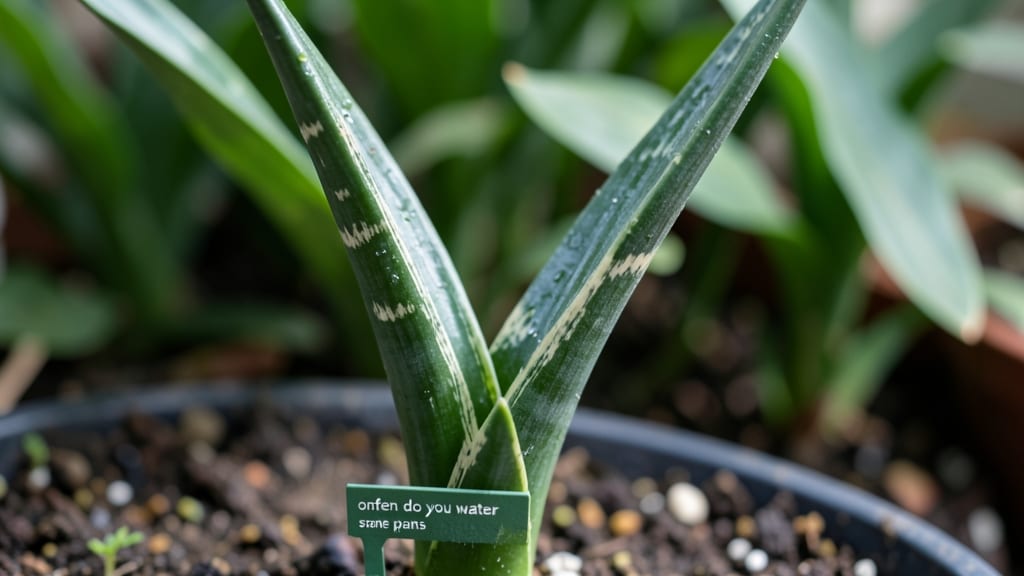
Watering snake plants every 2-6 weeks keeps them thriving without the risk of root rot—far less than most people think.
If you’ve ever watched your 🌱 snake plant wilt after a "light" watering or turn yellow from soggy soil, you’re not alone. These plants are built for drought, not frequent drinks, and the line between "hydrated" and "drowned" is thinner than you’d expect.
Here’s the secret: it’s not just about how often you water, but how deep you water and when. A quick spritz won’t cut it—these plants need a thorough soak that reaches their roots, followed by weeks of dryness to mimic their natural habitat.
Below, I’ll break down the exact schedule by season, pot size, and soil type, plus the 5 telltale signs your snake plant is actually thirsty (not just begging for attention). No guesswork, just science-backed care.
Snake plant watering schedule: exact frequency by season and pot size
Snake plants (Sansevieria) are masters of survival, thriving on neglect rather than constant care—but that doesn’t mean you should ignore their water needs entirely.
The key lies in understanding their natural drought tolerance and adjusting your schedule based on seasonal humidity, pot material, and plant maturity. Unlike moisture-loving plants, snake plants store water in their thick leaves, making them resilient to infrequent watering.
However, overwatering remains their silent killer, leading to root rot and yellowing leaves.
As someone who’s revived multiple overwatered snake plants, I’ve learned the hard way that less is more. Most gardeners water too often, especially during winter dormancy, when the plant’s growth slows dramatically. The solution?
A structured watering schedule that accounts for your local climate, container size, and even the material your pot is made from. Let’s break it down by season and pot type so you can water with confidence—no guesswork required.
| Season | Pot Size (Diameter) | Pot Material | Watering Frequency | Soil Dryness Test |
|---|---|---|---|---|
| Spring | 4-6 inches | Terracotta | Every 2 weeks | Top 1-2 inches dry |
| 6-10 inches | Ceramic or Plastic | Every 2-3 weeks | Top 2-3 inches dry | |
| 10+ inches | Any | Every 3-4 weeks | Top 3-4 inches dry | |
| Summer | 4-6 inches | Terracotta | Every 3 weeks | Top 2-3 inches dry |
| 6-10 inches | Ceramic or Plastic | Every 4 weeks | Top 3-4 inches dry | |
| 10+ inches | Any | Every 4-6 weeks | Top 4+ inches dry | |
| Fall | 4-6 inches | Terracotta | Every 3 weeks | Top 2 inches dry |
| 6-10 inches | Ceramic or Plastic | Every 3-4 weeks | Top 2-3 inches dry | |
| 10+ inches | Any | Every 4-5 weeks | Top 3 inches dry | |
| Winter | 4-6 inches | Terracotta | Every 4-6 weeks | Top 3 inches dry |
| 6-10 inches | Ceramic or Plastic | Every 6-8 weeks | Top 4 inches dry | |
| 10+ inches | Any | Every 8-12 weeks | Top 5+ inches dry |
💡 Pro Tip: Terracotta pots dry out faster than plastic or ceramic. Adjust frequency if your home has low humidity (e.g., winter heating).
Terracotta pots are your best friend for snake plants because they wick away moisture through their porous walls, mimicking the plant’s natural arid environment. If you’re using plastic or ceramic pots, water even less frequently since they retain moisture longer.
For example, a 6-inch terracotta pot in summer might need water every 3 weeks, while the same-sized plastic pot could go 4 weeks without watering.
Seasonal changes drastically alter your watering routine. In spring and fall, when growth is active but not extreme, aim for watering every 2-4 weeks, depending on pot size. Summer calls for reduced frequency—even though temperatures rise, the plant’s growth slows due to heat stress.
Think of it as a drought survival mode. Conversely, winter is the driest season for snake plants, with most needing water only every 6-12 weeks.
Maturity matters too. A young snake plant (under 2 years old) will need slightly more frequent watering—every 2 weeks in spring/fall—because its root system is still developing. Mature plants, however, can handle longer dry spells.
I’ve seen 5-year-old snake plants thrive on monthly watering in winter without any stress. The rule of thumb? The larger the plant, the less often it needs water.
Before watering, always perform the finger test: Stick your index finger 2-3 inches into the soil. If it feels dry, it’s time to water.
If it’s still damp, wait another week. Overwatering signs include yellowing leaves, mushy stems, or a sour smell from the soil. Underwatering? Leaves will
5 Signs your snake plant needs water (vs. when to wait)
If you’ve ever wondered, "How often do you water snake plants?"—then you know these plants can be tricky. They’re famous for thriving on neglect, but even drought-resistant snake plants need water at just the right time.
The key is learning to read their subtle cues before their leaves start drooping or turning mushy. Overwatering is the silent killer, but underwatering can stress them too. Let’s break down the 5 clear signs your snake plant is thirsty—and when to hold off.
First, stick your finger about 1-2 inches into the soil. If it feels completely dry, that’s your first clue. But don’t rely on this alone—snake plants also communicate their needs through leaf texture, growth patterns, and even the way they smell.
Ignoring these signs can lead to root rot or stunted growth, and nobody wants that for their hardy Sansevieria. Let’s dive into what to watch for.
- 1 Dry, Crispy Soil: Stick your finger 2 inches deep—if it’s bone-dry, it’s time to water. Snake plants store water in their leaves, so the soil should stay dry between waterings.
- 2 Wrinkled Leaves: Healthy leaves are plump and firm. If they look wrinkled or shriveled, your plant is begging for hydration. This is an emergency sign—water immediately.
- 3 Slow Growth or Yellow Tips: New growth stalling or yellowing leaf tips often mean underwatering. Check the soil—if it’s dry, water thoroughly until it drains from the bottom.
- 4 Lightweight Pot: Lift your pot—if it feels unusually light, the soil is likely dry. Snake plants in terracotta pots dry out faster than plastic, so adjust your schedule accordingly.
- 5 Musty Smell: A faint musty odor from the soil means overwatering—not thirst! If this happens, let the soil dry out completely before watering again.
Still unsure? Here’s a pro tip: Water in the morning so excess moisture evaporates during the day. If your snake plant is in a small pot, it’ll dry out faster than one in a large container.
And remember—snake plants are survivors. If you’re between waterings and see no signs of thirst, wait another week. Patience is key with these low-maintenance greens.
Overwatering is the real enemy here. If you’ve watered recently and notice soft, mushy leaves or yellowing, your snake plant might be drowning. Let the soil dry out completely before watering again.
And if you’re repotting, use a well-draining mix with perlite or sand to prevent soggy roots. Trust me, your plant will thank you with lush, vibrant growth.
Now that you know the signs, you can confidently answer "How often do you water snake plants?" The answer? Only when they need it—not on a rigid schedule. Pay attention, and your snake plant will reward you with years of effortless greenery. Happy growing!