
Trees
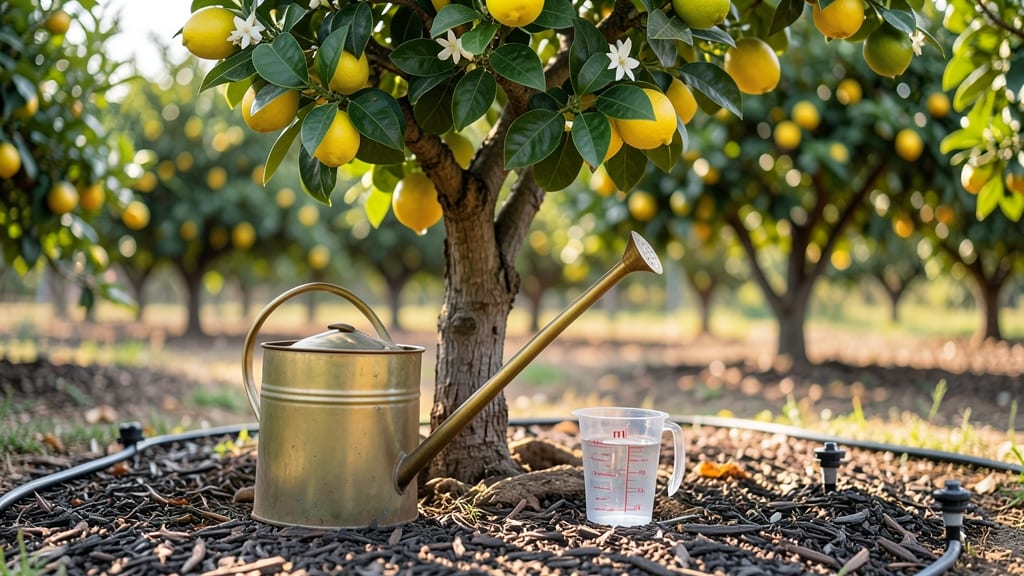
To water fruit trees properly, you should how often should fruit trees be watered with deep, infrequent soaks that encourage strong root growth—especially in Zone 6a where seasonal shifts demand careful timing.
Struggling to keep your fruit trees thriving? Overwatering or underwatering can both spell disaster for your harvest—yet most gardeners get the schedule wrong. The secret lies in understanding deep root watering cycles that change with seasons and tree maturity.
Young 🍎 fruit trees need consistent moisture, while mature ones thrive on less frequent but deeper watering. Summer heat demands more attention, while winter slows water needs almost to a stop. Get this wrong, and you risk stunted growth, poor fruit production, or even root rot.
Below, I break down the exact watering schedule by age and season, plus how to tell if your tree is thirsty or drowning. With these tips, you’ll water smarter—not harder—and watch your harvest flourish.
Seasonal watering schedule for fruit trees by growth stage
Understanding your fruit tree's watering needs isn't one-size-fits-all—it depends on tree age, seasonal demands, and root depth. Young trees with shallow roots need frequent, deep watering, while mature trees can handle longer intervals. The key is soil moisture testing and adjusting for climate extremes.
Spring is all about root establishment. After planting, water 2-3 times per week for the first month to encourage deep root growth. As temperatures rise in summer, increase frequency to every 5-7 days, delivering 1-2 inches of water per session.
Autumn signals a shift to bi-weekly watering, and winter requires minimal moisture.
Here's your science-backed watering schedule by growth stage and season:
| Growth Stage | Season | Watering Frequency | Water Amount | Key Notes |
|---|---|---|---|---|
| Young Trees (1-2 years) | Spring | 2-3 times/week | 10-15 gallons | Critical root establishment |
| Young Trees (1-2 years) | Summer | Every 5-7 days | 15-20 gallons | Deep water at soil level |
| Young Trees (1-2 years) | Fall | Bi-weekly | 10 gallons | Reduce as temps drop |
| Young Trees (1-2 years) | Winter | Monthly | 5 gallons | Avoid soggy soil |
| Mature Trees (3+ years) | Spring | Weekly | 20-30 gallons | Encourage flowering |
| Mature Trees (3+ years) | Summer | Every 7-14 days | 30-50 gallons | Deep watering only |
| Mature Trees (3+ years) | Fall | Bi-weekly | 15 gallons | Prepare for dormancy |
| Mature Trees (3+ years) | Winter | Monthly | 10 gallons | Minimal water needed |
For soil moisture testing, use the finger test: Insert your finger 2-3 inches deep. If dry, water deeply. For clay soil, extend to 4-6 inches—it holds moisture longer. Morning watering is ideal to reduce evaporation and fungal risks like powdery mildew.
Adjust for local climate extremes. In drought-prone areas, increase summer watering by 30-50%. Container-grown trees need daily checks—their roots dry out faster. Always water at the drip line, not the trunk, to encourage wide root spread.
Mulch plays a crucial role. Apply 2-4 inches of organic mulch (wood chips, straw) around the base to retain moisture and regulate soil temperature. Keep mulch 6 inches away from the trunk to prevent rot.
Watch for seasonal transitions. When temperatures drop below 50°F, reduce watering immediately. In late winter, increase frequency as buds swell—this signals the tree's need for spring hydration to support flowering.
Remember: Deep watering beats frequent shallow watering. Use a soaker hose or drip irrigation to deliver water slowly to the root zone. This mimics natural rainfall and prevents surface runoff.
🌱
Signs your fruit tree is overwatered or underwatered (and how to fix it)
Your fruit tree might look healthy on the surface, but water stress can silently damage roots and reduce harvests. Both overwatering and underwatering create distinct symptoms—learning to spot them early saves your tree.
For example, apple trees wilt dramatically when thirsty, while citrus trees develop yellow leaves from excess moisture. Let's decode these warning signs and fix them before it's too late.
First, check the soil moisture by sticking your finger 2-3 inches deep. If it feels damp, you may be overdoing it. If dry, your tree needs immediate hydration. Leaf color is another key indicator—dark green with yellow edges often signals overwatering, while dull, grayish leaves mean thirst.
The root system also reveals clues: healthy roots are white or light brown, while mushy, black roots scream root rot from too much water.
For underwatered trees, look for wilting leaves that don't recover when watered—a sign of severe stress. Peach trees may drop fruit prematurely, while avocado trees develop curled, crispy leaf edges. Emergency recovery starts with a deep watering session: soak the soil until water drains 12 inches down.
Repeat every 3-4 days until leaves perk up. Mulch heavily to retain moisture and reduce evaporation.
Overwatered trees show yellowing leaves that stay attached even when dead—a classic sign of root rot. Plum trees may develop brown, sunken spots on branches, while fig trees suffer from fungal infections like powdery mildew.
Act fast: reduce watering immediately and improve drainage. For severe cases, dig around the base to aerate compacted soil or create a drainage trench 6 inches deep, 12 inches from the trunk.
Tree type matters! Citrus trees hate soggy roots and need well-draining soil, while apple trees tolerate slightly moist conditions but dread waterlogged roots. Stone fruits like peaches and cherries recover faster from drought but succumb quickly to overwatering.
Adjust your approach: citrus trees need weekly deep watering in summer, while apples thrive on bi-weekly deep soaks once established.
Long-term prevention is key. Install a soil moisture sensor to track water needs, and adjust your schedule by season: water deeply every 5-7 days in summer but reduce to bi-weekly in fall and monthly in winter.
For container-grown trees, check soil moisture daily—small pots dry out faster. With these fixes, your fruit tree will bounce back, and you'll enjoy a bountiful harvest season after season.