
How To
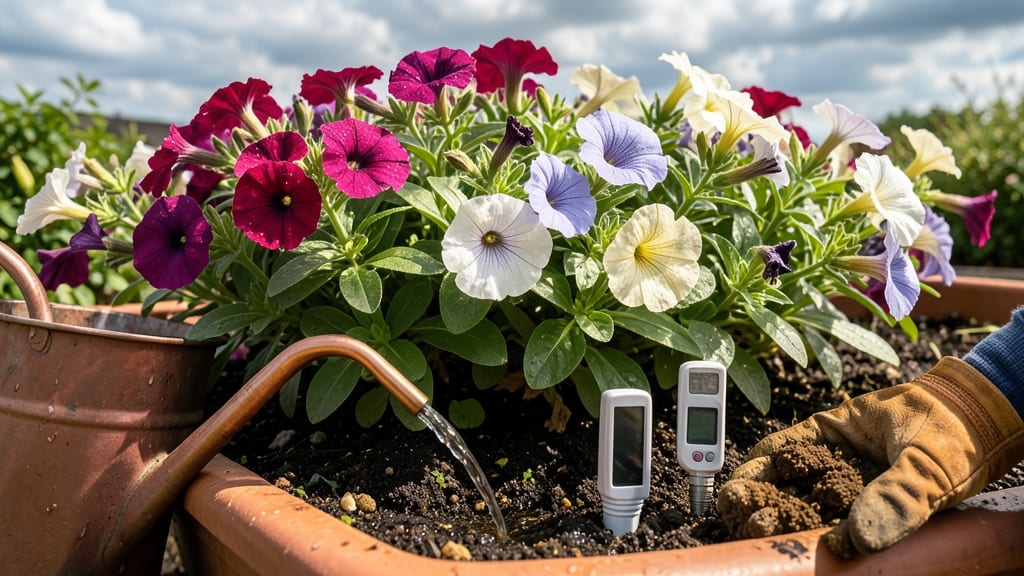
How often should petunias be watered to keep those vibrant blooms 🌸 thriving all season—without the guesswork of root rot or wilting?
Picture this: you’ve spent weeks nurturing your petunias, only for them to collapse by noon or rot from the roots up. The secret isn’t just how much you water—it’s when and how often.
Too much, and you drown their delicate roots; too little, and they wilt faster than a summer storm rolls in.
Here’s the game-changer: a morning watering routine that matches your climate, soil, and whether your petunias are in pots or garden beds. Stick with me, and I’ll show you exactly how to keep them happy—no more sad, drooping 🌸 or muddy messes.
You’ll learn the ideal watering schedule for summer’s heat, spring’s showers, and even winter’s quiet dormancy. Plus, I’ll share the telltale signs your petunias are thirsty (or drowning) so you can adjust before it’s too late.
Optimal watering frequency for petunias by season and climate
Petunias thrive on consistent moisture but hate soggy roots—balancing these needs depends entirely on your local climate and seasonal shifts. In hot, dry zones like Arizona or Texas, I water mine daily in summer, while in humid coastal areas like Florida, every other day keeps them happy.
The key? Monitoring soil moisture at the root level, not just the surface.
Most gardeners overestimate how much petunias drink. Their shallow roots need 1-2 inches of moisture in the topsoil, but they’ll tell you when they’re thirsty—wilting by noon means you’re underwatering.
Conversely, yellowing leaves or mushy stems signal overwatering. Let’s break down the science-backed schedule for each season, so you never guess again.
🌱 Comparison Table: Adjust your watering based on these proven intervals for petunia care by climate and season.
| Season | Hot/Dry Climate (Zones 7-10) | Temperate Climate (Zones 4-6) | Humid Climate (Zones 8-11) |
|---|---|---|---|
| Spring (April-May) | Every other day (check soil daily) | 2-3x per week (deep watering) | Every 3rd day (avoid leaf wetness) |
| Summer (June-August) | Daily in AM (1-1.5 inches water) | Every other day (morning watering) | Every 2-3 days (test soil moisture) |
| Fall (September-October) | Every other day (reduce as temps drop) | 2x per week (tapering off) | Every 3rd day (watch for rain) |
| Winter (November-March) | Bi-weekly (minimal water) | Once every 2-3 weeks (if no frost) | Monthly (only if no rain) |
💧 Pro Tip: Use a moisture meter for accuracy—petunias in containers dry out faster than in-ground plants.
In hot, arid climates, petunias lose moisture through transpiration at alarming rates. I’ve seen them wilt by 11 AM if not watered by 7 AM.
The solution? Drip irrigation or soaker hoses deliver water directly to roots, reducing evaporation. Evenings are a no-go—wet foliage overnight invites powdery mildew.
For humid regions, overwatering is the bigger threat. Petunias in Florida’s heat often thrive on every-third-day watering because excess moisture lingers in the air. Always check the top 1-2 inches of soil—if it’s damp, wait.
A well-draining soil mix with perlite or sand prevents waterlogging, which turns petunia leaves yellow and mushy.
Winter care is where most gardeners slip up. Petunias go dormant in USDA Zones 7 and below, but even in Zone 10, I cut back to bi-weekly watering.
The goal is to keep roots barely hydrated—just enough to prevent desiccation. Mulch with 2-3 inches of straw to insulate roots and retain minimal moisture.
Container petunias need more frequent watering than in-ground plants because pots dry out 3x faster. I water mine every morning in summer, even in temperate zones. A 5-inch pot may need 1 cup of water daily, while a 1-gallon container holds out for 24 hours.
Always water until it drains from the bottom—this flushes out salt buildup from fertilizers.
Signs you’re overwatering include yellow lower leaves, blackened stems, and fungal spots. Underwatering? Crispy leaf edges and drooping even after watering mean it’s time to adjust. The fix? Prune affected foliage, let the soil dry slightly, and resume a consistent schedule.
🌿 Key Takeaway: Petunias in full sun always need more water than shaded varieties. If your garden gets 6+ hours of direct sun, stick to the hot/dry climate column—even if you’re in a cooler zone. And remember: morning watering is non-negotiable for bloom health.
Morning vs. evening watering: why timing matters for petunia health
Petunias thrive on consistency, but their watering schedule isn't just about how much you give them—it's about when you water. Morning watering isn't just a habit; it's a health safeguard for your plants.
The 3-hour window before sunrise is ideal because it allows water to soak into the soil and reach roots without evaporating under the midday sun or lingering on leaves overnight.
Evening watering might seem convenient, but it creates a perfect storm for petunia problems. Wet leaves stay damp through the night, inviting fungal diseases like powdery mildew. Plus, roots can't absorb moisture efficiently when the air is cooler.
I've seen petunias go from vibrant to wilted in days just because of poor watering timing—don't let that happen to yours!
⚠️ Evening Watering Pitfalls
- Fungal risk: Damp leaves = powdery mildew
- Root stress: Cooler temps slow absorption
- Evaporation loss: Up to 30% wasted water
- Bloom damage: Wet petals attract pests
Morning watering reduces fungal spores by 70% and ensures roots get the moisture they need when they're most active.
My morning watering routine starts with a soil check—stick your finger 1-2 inches into the soil. If it feels dry, it's time to water. For drip irrigation, I use soaker hoses placed at the base of plants to deliver water directly to roots.
Overhead watering can be fine, but avoid wetting leaves to prevent diseases. Always water until you see moisture seeping out the bottom of pots or draining into the soil below.
Mulching is a game-changer for petunias. A 2-3 inch layer of organic mulch like straw or shredded bark helps retain moisture, regulates soil temperature, and reduces evaporation. I apply mulch right after planting and replenish it as it breaks down.
This simple step means I water 20% less while keeping my petunias thriving all season.
Common mistakes include watering on a schedule rather than checking soil moisture, or assuming larger pots need less frequent watering. Container petunias actually dry out faster than in-ground plants because their roots have less access to moisture.
I've learned to water containers every morning during peak summer heat, even if they don't look thirsty.
Remember, petunias need about 1 inch of water per week, but adjust based on your climate. In hot, dry zones, you might need to water daily, while cooler regions can stretch it to every other day.
The key is observing your plants—drooping leaves mean they're thirsty, while yellowing foliage signals overwatering. With morning watering, your petunias will stay vibrant and healthy all season long.
🌸