
How To
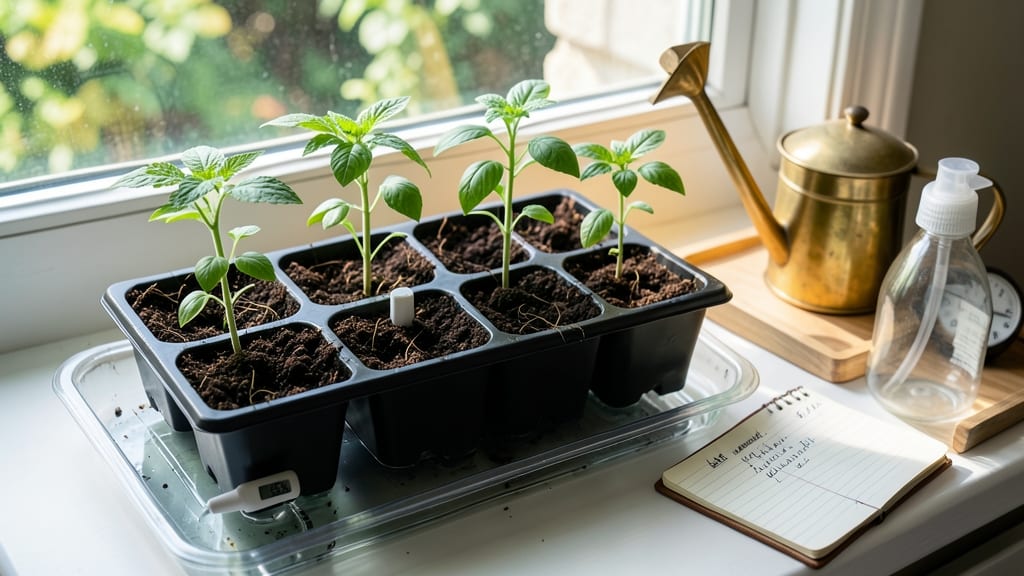
To bottom water seedlings the right way, aim for 1-2 times per week—just enough to keep soil evenly moist without drowning the roots.
Struggling with weak, leggy seedlings? The issue might be your watering routine. Unlike top-watering, which can wash away soil and spread disease, bottom watering delivers hydration straight to the roots, where it matters most. But timing is everything—too little, and your seedlings dry out; too much, and you risk rot.
This method isn’t just about frequency—it’s about science. When you water from below, you encourage deeper root growth, which translates to faster, sturdier plants. Plus, it cuts down on fungal risks by keeping foliage dry.
Below, I’ll break down the exact schedule for your seedlings, plus how to spot when they’re thirsty (or drowning).
Ready to transform your seedling game? Let’s dive into the science-backed routine that’ll have your plants thriving in no time.
Science-backed bottom watering frequency for seedlings by plant type
Bottom watering seedlings isn’t just a technique—it’s a root revolution. By delivering water directly to the soil, you encourage deeper root systems and reduce fungal risks. But timing varies wildly depending on the plant type.
Fast-growing basil and lettuce need frequent hydration, while slow-growers like tomato seedlings thrive with less frequent but thorough watering.
The key lies in understanding soil moisture retention and root development stages. Overwatering smothers roots, while underwatering stunts growth. Science shows that most seedlings benefit from bottom watering every 2–3 days, but this shifts based on environmental factors like humidity and temperature.
Let’s break down the optimal schedules for different seedling types to keep them thriving.
| Plant Type | Bottom Watering Frequency | Soil Moisture Check | Root Depth Goal | Warning Signs |
|---|---|---|---|---|
| Fast-Growers (Basil, Lettuce, Spinach) | Every 1–2 days | Top 1/2 inch dry | 1–2 inches deep | Wilting by midday, yellowing leaves |
| Medium-Growers (Peppers, Herbs like Cilantro) | Every 2–3 days | Top 1 inch dry | 2–3 inches deep | Slow growth, drooping stems |
| Slow-Growers (Tomatoes, Broccoli, Cabbage) | Every 3–4 days | Top 1.5 inches dry | 3–4 inches deep | Mold on soil surface, stunted roots |
| Succulents/Cacti Seedlings | Every 7–10 days | Top 2 inches dry | Shallow, sparse roots | Soft stems, blackened roots |
For fast-growing seedlings like basil or lettuce, bottom watering every 1–2 days keeps the soil consistently moist. These plants have shallow root systems and dry out quickly.
Use your finger to check the top ½ inch of soil—if it’s dry, it’s time to water. Aim for roots to reach 1–2 inches deep before transplanting.
Medium-growers such as peppers and cilantro strike a balance. Bottom water every 2–3 days and let the top 1 inch of soil dry slightly between sessions. This mimics natural rainfall patterns and prevents root rot while encouraging deeper growth. Watch for wilting by midday—a clear sign they need hydration.
Slow-growing seedlings like tomatoes and broccoli demand patience. Water every 3–4 days and let the top 1.5 inches of soil dry out. These plants develop deep taproots, so infrequent but thorough watering strengthens their structure. Overwatering here leads to mold or fungal diseases, so always check for dampness before adding more water.
Succulent and cactus seedlings are the outliers. Their water-storing leaves mean bottom watering only every 7–10 days. Let the top 2 inches of soil dry completely—these plants thrive on neglect.
Signs of overwatering include soft stems or blackened roots, so err on the side of underwatering until you gauge their needs.
Environmental factors like humidity and temperature also shift the schedule. In hot, dry climates, increase frequency by 20–30%. Conversely, in cool or humid conditions, extend the gap to 4–5 days for most seedlings. Always pair bottom watering with well-draining soil to prevent waterlogging.
Pro tip: Use a moisture meter for precision. Insert it into the soil to 1 inch deep—if it reads dry, it’s time to water. This tool eliminates guesswork and ensures your seedlings get the perfect amount of hydration for their growth stage.
Consistency is key to avoiding both overwatering and underwatering pitfalls.
Remember, the goal is root strength, not just survival. By tailoring your bottom watering schedule to the seedling’s growth rate and soil type, you’ll raise seedlings that are ready to thrive in their permanent homes.
Start with these science-backed frequencies, and watch your seedlings transform from fragile sprouts to powerhouse plants.
How to tell when seedlings need bottom watering (visual & tactile cues)
Bottom watering seedlings requires keen observation—your plants whisper their needs through subtle cues. Unlike top watering, which can drown tender roots or spread disease, bottom watering delivers moisture directly where it matters most: the root zone.
But how often should you do it? The answer lies in understanding your seedlings' soil texture, weight, and growth patterns.
Start by checking the surface soil with your finger. If the top ½ inch feels dry but the lower layers stay moist, your seedlings likely need water. This dryness signals that the roots have absorbed what they need, and the soil's moisture retention is ready for replenishment.
For most seedlings, this translates to every 2–3 days, but environmental factors like humidity and temperature can shift this timeline.
Seedlings are delicate—overwatering suffocates roots by cutting off oxygen, while underwatering stunts growth. Aim for soil that feels like a wrung-out sponge: damp but not soggy. If your tray sits in water for more than 30 minutes, you're overdoing it. For fast-growing seedlings (like basil or lettuce), check moisture daily, while slow growers (like tomatoes) may only need water every 4–5 days.
Pay attention to seedling behavior—wilting isn’t always a sign of thirst. If leaves droop in the late afternoon but perk up by morning, your seedlings are likely heat-stressed, not dehydrated. True thirst wilting happens throughout the day and doesn’t recover.
Another red flag? Yellowing leaves, especially on older foliage, often signals overwatering or poor drainage. Adjust your schedule by lifting the tray: if it feels light as a feather, it’s time to water.
Tools like a moisture meter take the guesswork out of bottom watering. Insert the probe into the soil near the roots—aim for the 2–3 inch depth where most roots thrive. Readings below 40% moisture mean it’s time to water, while anything above 60% risks root rot.
For gardeners without a meter, the pinch test works: grab a handful of soil. If it crumbles easily, add water; if it sticks together like clay, wait a day.
Seasonal shifts demand flexibility. In spring and fall, when temperatures are mild, seedlings may only need water every 3–4 days. But during summer’s peak heat, increase frequency to daily bottom watering, especially for container-grown seedlings, which dry out faster.
Always water in the morning to let excess moisture evaporate before nightfall, reducing fungal risks like damping off.
Pro tip: Group seedlings by their water needs. Fast-growing herbs like cilantro or radishes need more frequent watering than tomato or pepper seedlings. Use separate trays or containers to avoid uneven moisture distribution.
With practice, you’ll read your seedlings like a book—balancing root health, growth speed, and disease prevention with every watering session. 🌱