
How To
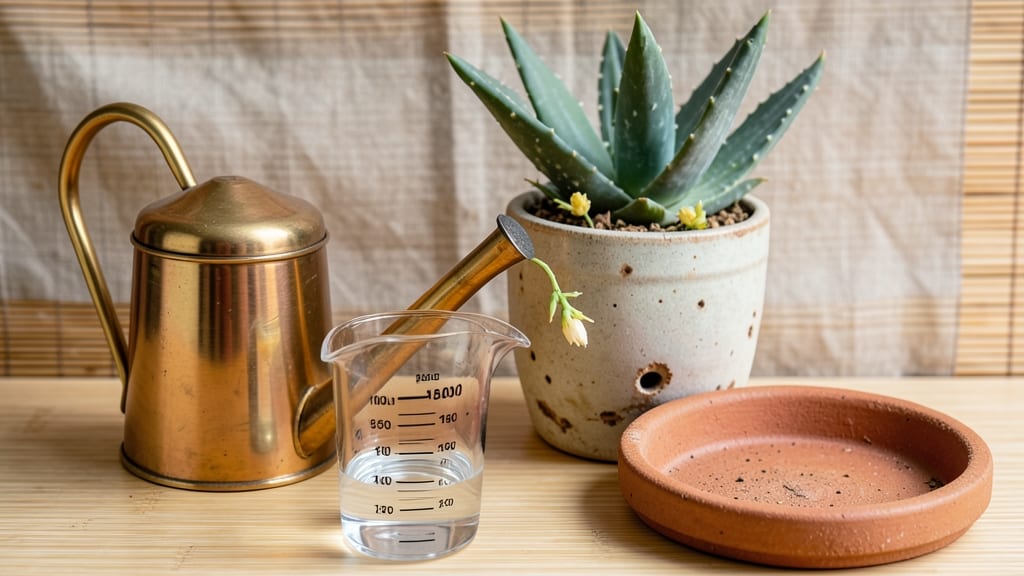
Watering an aloe plant indoors every 2-3 weeks keeps it thriving without the risk of root rot—though most people either drown it or let it dry out completely.
Struggling to keep your aloe vera plant alive indoors? Overwatering is the #1 killer of these drought-resistant beauties—yet many gardeners still guess how often to water, leading to limp leaves or worse, root rot. 🌱
The key is letting the soil dry out completely between waterings, but that doesn’t mean you can ignore it. Aloe plants store water in their leaves, but they still need consistency—especially in winter when growth slows.
Below, I’ll break down the exact watering schedule by season, how to check if your plant is thirsty (or overwatered), and the simple fixes to revive a struggling aloe before it’s too late.
Aloe plant watering schedule by season: exact intervals to prevent overwatering
Aloe vera thrives on neglect, but that doesn’t mean you should ignore its watering needs entirely. Unlike most houseplants, aloe plants store water in their thick leaves, making them drought-tolerant but vulnerable to root rot when overwatered. The key to success?
A seasonal watering schedule that mirrors your aloe’s natural growth patterns. In warmer months, growth speeds up, while cooler seasons trigger dormancy—both critical factors in determining how often to water aloe plant indoors.
Most gardeners overwater aloe plants because they assume "more water = happier plant." But aloe vera’s succulent nature means it prefers dry soil between waterings.
Stick to a soak-and-dry method: water deeply until it drains from the pot’s bottom, then wait until the top 1-2 inches of soil feel completely dry before watering again. This approach prevents soggy roots while keeping your plant hydrated.
For beginners, this might feel counterintuitive—especially when your aloe’s leaves start looking wrinkled—but trust the process.
Spring is when your aloe vera wakes up from dormancy and starts actively growing. This is the only season where you’ll water every 2-3 weeks, but don’t rush—always check the soil moisture first.
Stick your finger 1-2 inches deep into the soil; if it feels dry, it’s time to water. Overwatering in spring can lead to yellowing leaves or mushy stems, so err on the side of caution.
Place your pot in a bright, indirect light spot (like an east-facing window) to encourage healthy growth without stressing the plant.
Summer is trickier because higher indoor temperatures and humidity can fool you into thinking your aloe needs more water. In reality, your plant’s growth slows slightly to conserve moisture, so you can space waterings to every 3-4 weeks. The key is to water deeply but infrequently.
Let the soil dry out completely between waterings—this mimics the arid conditions of aloe’s native habitat. If you notice wrinkled leaves, it’s a sign your plant is thirsty, but avoid the temptation to water daily. Consistency is key; aloe vera prefers underwatering over overwatering.
Fall marks the transition back to dormancy for aloe vera. As temperatures drop, your plant’s metabolism slows, reducing its water needs. Cut back to watering every 3-4 weeks, and reduce the amount of water by about 20-30%.
Pay close attention to the leaf texture: if they’re firm but slightly wrinkled, hold off on watering. Overwatering in fall can lead to root rot, which is nearly impossible to reverse.
This is also a great time to repot your aloe if it’s been in the same soil for over a year—fresh, well-draining soil prevents compaction and improves aeration.
Winter is the most critical season for aloe vera care, as many gardeners accidentally drown their plants during the holiday months. Your aloe’s water needs drop dramatically, so reduce watering to every 4-6 weeks. The goal is to keep the soil barely moist—never soggy.
Check the soil with your finger; if the top 3 inches are dry, it’s time to water. Avoid placing your aloe near heating vents, as dry air can cause leaf edges to turn brown.
If your aloe’s leaves look extra wrinkled, it’s not necessarily thirsty—it’s likely adjusting to lower light levels. Move it to the brightest spot in your home to prevent etiolation (
5 Common watering mistakes that kill aloe plants (and how to fix them)
Aloe plants are famously low-maintenance, but even these desert survivors can suffer when watered incorrectly. The biggest mistake? Assuming "less water" means "no water." Overwatering accounts for 90% of aloe deaths indoors, while underwatering often just slows growth instead of killing the plant.
Let's fix these common errors before your aloe turns into a sad, mushy mess.
Most gardeners water aloe plants based on guesswork rather than science. A quick Google search reveals conflicting advice—some say "every week," others "once a month." Without clear guidelines, it's easy to drown your plant or leave it thirsty.
The truth? Aloe plants thrive on neglect, but they still need consistent, deep-but-infrequent hydration. Let's break down the top 5 watering mistakes and how to correct them.
⚠️ WARNING: The #1 Watering Mistake
Watering aloe plants on a schedule (like every Monday) is a recipe for disaster. These plants need water only when the soil is completely dry—usually every 2-3 weeks indoors. Stick your finger 2 inches deep into the soil: if it's dry, water; if damp, wait. No exceptions for season or pot size!
Mistake #1: Using tap water without testing. Many municipal water supplies contain chlorine, fluoride, or high salts that build up in the soil over time. This causes leaf browning and root burn, even if you're watering correctly.
Always let tap water sit 24 hours before using, or use filtered or distilled water for best results.
Mistake #2: Ignoring pot drainage. If your aloe's pot lacks drainage holes, water pools at the roots, leading to fungal infections and root rot.
Even "self-watering" pots can trap excess moisture. Fix this immediately by repotting into a container with holes, or add a layer of perlite or pumice to the soil mix to improve aeration.
Mistake #3: Watering shallowly instead of deeply. Many gardeners give aloe plants a quick spritz or light shower, thinking it's enough. But aloe roots need to grow deep to access moisture.
Water until it flows freely from the drainage hole, then let the pot sit for 10-15 minutes to absorb fully. This encourages strong root development.
Mistake #4: Adjusting for humidity incorrectly. While aloe plants love dry air, many assume low humidity = less water. The opposite is true! In dry indoor air (like from HVAC systems), aloe plants lose moisture faster and may need water 1-2 days earlier than usual.
Monitor soil moisture closely in winter when indoor air is driest.
Mistake #5: Skipping seasonal adjustments. Watering needs change dramatically by season. In spring/summer, aloe plants grow actively and may need water every 2-3 weeks.
But in fall/winter, growth slows to a crawl, and watering every 4-6 weeks is often enough. Never water on a fixed schedule—always check soil moisture first!